News
Trail Serralavella: the 7K short course in Ullastrell
Seven kilometers, 220 meters of elevation gain, and a mountain setting accessible for discovering Ullastrell without extreme exertion.

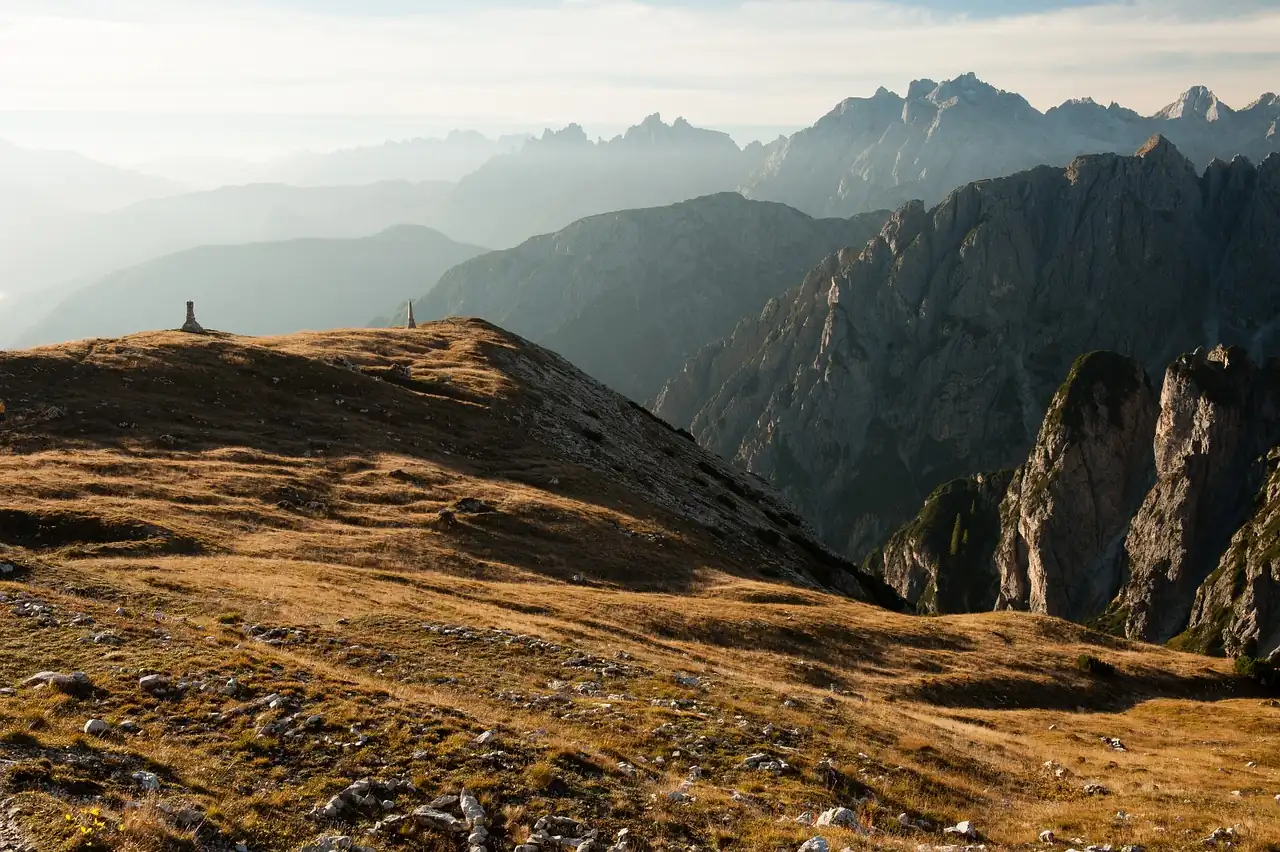
Imagen: cernetice / Pixabay
The short race of the Trail Serralavella has established itself as the friendliest option in the program: 7 kilometers and 220 meters of cumulative elevation gain, a format designed for walking or running calmly along the mountain paths and trails of Ullastrell. In a racing calendar where increasingly technical or demanding courses abound, this proposal follows a different logic: entering the mountain without letting the effort consume the experience.
Its appeal lies not in epic drama, but in accessibility. The course lets participants enjoy the surroundings with a moderate physical load, making it a highly recognizable distance for those seeking a short, participatory outing with scenery. In practice, it is a gateway to mountain racing, but also a comfortable option for those who prefer a more controlled pace and a less competitive atmosphere.
A short course with mountain character
The 7 kilometers of the short race should not be misleading: the distance is brief, but the elevation profile adds the texture typical of trail running. The 220 cumulative meters are enough to break the monotony of asphalt and force participants to read the terrain carefully, though without pushing the runner or walker to extreme demands. It is an event that operates in that valuable zone where the body works, but there is still room to look around.
The profile places it in a very particular category within mountain races. It is neither a survival race nor a flat walk; rather, it is a sports route that rewards consistency, effort management, and the ability to adapt to an irregular itinerary. For many participants, that balance is precisely its main virtue: enough elevation to feel that you have entered trail territory, but without the access barrier imposed by longer distances.
In Ullastrell, the landscape matters as much as the clock. The mountain trails and paths around the area provide the kind of setting that changes the mental rhythm of the race: bends, small ramps, softer sections, stretches where the stride naturally shortens. On a course like this, the experience depends not only on going faster, but on moving smoothly over a surface that demands constant attention.
The logic of a distance designed to enter the mountain
The short race is designed to reduce friction. Compared with longer or more technical distances, its format lowers both logistical and physical pressure. This makes it especially appealing to runners who want to compete without taking on a major strain and to people who prefer to complete the route on foot, with time to enjoy the atmosphere and the mountain crossing at a relaxed pace.
This approach explains why this type of distance tends to work well in events shared with other formats. The race does not exist in isolation: it coexists with longer courses and with the general atmosphere of a sports day that adds participation, movement, and community. The 7-kilometer version acts as a point of balance between pure competition and a popular outing, between effort and contemplation.
There is also a very practical reading: the moderate elevation gain makes the distance accessible without losing its mountain identity. In other words, it offers a complete experience with fewer tolls. The runner works the climbs, manages the pace on trails, and stays focused on the terrain, but without entering the levels of toughness that longer events reserve for much more experienced profiles.
Ullastrell as a sports setting
The municipality of Ullastrell provides the setting that gives the event its meaning. The mountain is not just a backdrop; it is an essential part of the proposal. Paths, trails, and rolling contours shape the feeling of progress, with that continuous shift between effort and recovery that only natural environments with relief can offer. In an event like this, the location is not a background; it is the true silent protagonist.
The Ullastrell mountain range adds a very recognizable dimension for anyone who follows trail running in Catalonia. You do not need a major massif to build a course with personality. Sometimes a network of well-linked paths, a climb that forces pace control, and a succession of turns that prevent monotony is enough. That is where much of this distance’s richness lies.
The surroundings also shape the way of competing. On a short distance with elevation gain, the terrain invites participants to alternate walking and running without hesitation, something that in trail running is part of the natural effort strategy. The short race embraces that kind of dynamic and, in fact, encourages it. The result is a race in which each participant can find their own formula without deviating from the spirit of the event.
A race with a participatory atmosphere and a relaxed pace
The walkable format gives this distance its own personality. Not everything in trail running is about pushing the stopwatch. There are also events that are best enjoyed slowly, with the group close together, brief conversation on the flat sections, and the feeling of sharing a mountain day without the tension of other competitions. The short race moves within that more open and less aggressive orbit.
That atmosphere matters because it broadens the profile of participants. It does not only attract runners looking for a short distance; it also brings in people seeking a first contact with the mountain or those looking for a controlled effort in a natural setting. The race thus gains an inclusive dimension without ceasing to be a sporting event with its own demands.
The idea of participating calmly does not take away its sporting value. On the contrary: it forces better pacing and a smarter reading of the terrain. On a 7-kilometer distance, going out too hard can be costly in the final section, especially if the elevation gain bites or if the trails punish more than the profile suggests. Apparent simplicity, in this case, is deceptive.
What it brings compared with other event distances
Within Trail Serralavella, the short race functions as an entry point. Its role is not to compete with the longer races, but to offer a clear alternative for different levels. On the same day, the event can bring together routes with different philosophies, and that enriches the day: some look for endurance, others relative speed, and others simply want to experience the mountain with a manageable effort.
Compared with more demanding distances, this 7-kilometer version lowers the entry threshold without losing the essence of trail running. The runner finds trails, slopes, and nature, but with a duration that is manageable enough to make the experience feel accessible. That is a competitive advantage in the broadest sense: it allows participation without turning preparation into an obstacle.
It is also valuable for those who accompany others or plan the day with a broader perspective. A short course makes personal organization easier, reduces the impact of the effort afterward, and leaves more room to enjoy the event atmosphere. In races of this kind, the short race becomes a very logical option for those who want to be present without taking on an entire day of exertion.
The confirmed date and useful information to place it
The 2026 edition is set for Sunday, June 7, with the start at 09:15 in Ullastrell, Barcelona. That places it within the usual window for late-spring mountain races, when the terrain usually offers favorable conditions and the day makes better use of daylight and temperature. Being held on a Sunday also fits the logic of an event that concentrates several distances on a single date.
As for the price shown in the reference information, registration starts at 9 euros. That amount reinforces the idea of an accessible modality, consistent with a short course and a philosophy of broad participation. The combination of contained cost and moderate distance is often key for a race like this to maintain its popular profile without losing organizational order.
The start and finish are listed at the Pista Poliesportiva de Ullastrell, a point that makes participant gathering easier and concentrates the atmosphere in a recognizable space. The race is also linked to an edition with a solidarity component and chip timing, details that bring it closer to the classic structure of a well-organized event, despite its brief format.
Which type of runner best fits this format
The short race is especially well suited to those looking for a first trail experience without excess. The course does not remove elevation or uneven terrain, but it does reduce the overall complexity of the day. That makes it useful for trail beginners, road runners who want to try different sensations, or participants who value the surroundings more than the final time.
It is also appealing to profiles who already know trail running but do not want to take on a long race every weekend. A 7K with 220 meters of elevation gain allows you to stay in touch with the mountain, work on agility, and keep the sense of competition without entering weeks of excessive training load. It is a distance that earns affection precisely because it does not require a major prior investment.
The key is proportion. There is enough mountain for the experience to be real, enough brevity for it to be manageable, and enough atmosphere for it not to feel like an isolated outing. That mix explains why Serralavella’s short distance has its own appeal and is not merely a reduced version of the rest of the program.
A format that says a lot about today’s trail running
The rise of short distances and walkable courses reflects a clear evolution in mountain racing. Trail running is no longer defined only by toughness or by the accumulation of kilometers. Diversity of offerings, the ability to bring in different audiences, and the capacity to adapt the sport to the terrain without forcing it all matter too. The short race fits fully into that broader reading.
In that sense, its value goes beyond the sporting result. It represents a way of understanding the mountain that is less exclusive, where participation does not depend on extreme preparation or maximum competitive ambition. The race welcomes different paces and motivations, and that makes it a very useful piece within the local calendar.
Ullastrell, therefore, offers more than just a short race. It offers a concrete way to enter trail running: with scenery, measured elevation gain, a shared-day atmosphere, and a course that lets you enjoy yourself without turning every meter into an exam. That combination explains why the short race remains interesting year after year and why its presence in the program adds balance to the whole event.
The brief distance that preserves the essence of the mountain
The short race sums up an idea that is gaining weight in mountain running: you do not need a huge number of kilometers to live a complete experience. Sometimes a short, well-designed route in a sufficiently natural setting to make a difference offers more clarity than a race overloaded with ambition. Here, every kilometer matters because it is well used.
The result is a proposal that is easy to explain and easy to value. Seven kilometers, 220 meters of elevation gain, Ullastrell trails, a Sunday morning start, and a contained entry fee. With those elements, a race is built that does not aim to impress through volume, but through balance. And in trail running, that balance is often a more lasting virtue than excess.
That is why the short race occupies its own place within Trail Serralavella: it is brief, yes, but not lesser; accessible, but not trivial; calm, but not empty. On the Catalan trail map, this kind of course fulfills a valuable role: bringing the mountain closer to more people without stripping it of its personality.



How to prevent thigh chafing: causes and real solutions

Women’s running windbreakers: seven jackets and how to choose

Do more workouts get rid of soreness? A guide for runners

Jaén Half Marathon 2026: Record 3,800 Runners Registered

Men’s short running tights: how to choose the right pair

World Triathlon confirms data breach involving medical data

Izan Edo targets podium at Miyazaki World Cup

María Pérez ranks ninth in World Athletics’ 2026 top ten

Dos Santos, Duplantis and Sawe: World Athlete of the Year finalists

San Silvestre Vallecana 2026: 42,000 places, prices and start times

 Races3 months ago
Valencia Half Marathon 2027: date and registration

 Races3 months ago
Valencia Marathon 2026: entry, ballot and course

 Reviews and Comparisons4 months ago
Asics Gel-Roadmiles 3 for men: review and current price

 Reviews and Comparisons4 months ago
Asics Gel Sonoma 8 Gore-Tex: complete analysis for trail and rain

 Sneakers3 months ago
Saucony Endorphin Pro 4: full review and verdict

 News5 months ago
Strava API 2026: what changes for clubs, challenges and runner apps?

 Reviews and Comparisons5 months ago
Nike Alphafly 3: opinions, sensations, and real key points

 Reviews and Comparisons4 months ago
Under Armour running shoes review 2025-2026: models and key features

 Sports Equipment4 months ago
Shoe sizes in cm: a clear guide to getting the right fit for your footwear

 Sneakers3 months ago
Skechers GO RUN Consistent 2.0 analysis: comfort and limits

 News5 months ago
Valencia Marathon 2026 route: key tips to train and run better

 Sneakers4 months ago
Adidas Adizero Boston 13 for men: review and verdict