Races
Volta a Peu de Almàssera 2026: date and course
The Almàssera event already has a date for 2026 and keeps its popular 8-kilometer distance.

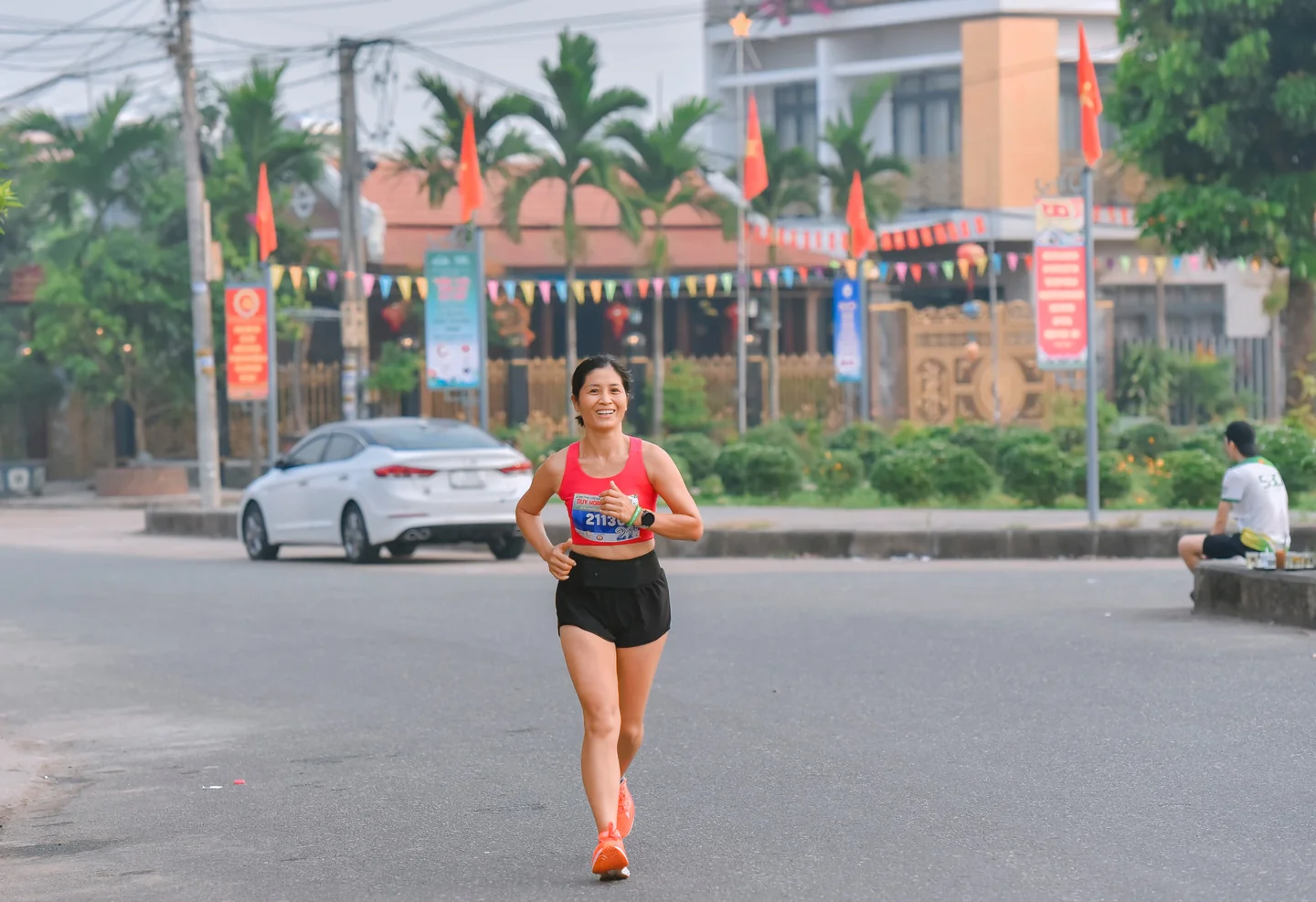
The 44th Almàssera Road Race will take place on Wednesday, Aug. 19, 2026, in this municipality in Valencia’s Horta Nord district, according to the available information for the next edition. The event keeps its popular race format over an approximate distance of 8 kilometers, bringing together runners of different ages during the summer sports calendar.
The event is part of a long-standing athletics tradition spanning several decades. The 2024 edition was the 42nd and had its start and finish at Almàssera’s main square, with the absolute race beginning at 8 p.m. For 2026, the date and distance have been identified, but the definitive regulations, start time, entry fee and exact course have not yet been publicly confirmed. The available information should therefore be treated as a reference subject to updates from the organizers.
The popular race calendar places the event within Valencia’s running schedule, while the popular race map helps locate Almàssera and compare it with nearby events. In both cases, the official documentation will be essential once registration opens.
A summer race with roots in Almàssera
Almàssera lies north of Valencia, in a huerta area crossed by roads and local paths connecting several municipalities in the district. This combination of urban streets and agricultural surroundings explains the character of many popular races in the area: accessible courses, limited elevation and a direct relationship with residents who come out to cheer from the sidewalks.
The event has established itself as one of the traditional fixtures of Valencia’s summer calendar. The 2024 reference described it as a charity race supporting Cáritas and as a memorial dedicated to Vicente Giner Balaguer, known as Tico el Surdo. These elements give the event a dimension beyond the stopwatch: the race also acts as a local gathering and community activity at a time of year when festivals and sport share the same space.
The 44th-edition designation indicates notable continuity, although the numbering must remain linked to the specific year. The 34th edition was held in 2016 and the 42nd in 2024, a sequence consistent with the event planned for 2026. That history helps explain why the race remains relevant among popular athletes in Horta Nord, even when operational details are released in stages.
Date, distance and confirmed details for 2026
The strongest detail for the next event is the date: Wednesday, Aug. 19, 2026. It falls during a hot period, making the afternoon and evening schedule important. In 2024, the children’s races began from 6:30 p.m. and the absolute race started at 8 p.m., but that schedule cannot be considered confirmed for 2026 until the new regulations are published.
The announced distance for the absolute race is 8 kilometers. In the available background information, the course ran through the town streets and surrounding roads, a common format for urban events in Almàssera and nearby municipalities. No certified measurement or updated official map for 2026 is currently available, so it would not be accurate to present an inherited course as definitive.
The host municipality, Almàssera, and its location in Valencia province are also known. However, the exact start and finish address, categories for the 2026 edition, timing system, refreshment points and bib-collection arrangements remain unconfirmed. These details usually appear in the regulations, but they should not be filled in through assumptions.
The likely start and finish setting
The 2024 edition placed the start and finish at Almàssera’s main square. This location is a recognizable center of public life and provides a clear setting for a popular race. The square, nearby streets and routes toward the outskirts create a natural transition between the urban atmosphere at the start and the more open sections of the course.
The use of surrounding roads in the previous course suggests an asphalt race with no trail or mountain characteristics. The generally flat terrain of the district should support steady pacing, although heat, humidity and changes of direction can affect perceived effort. Over eight kilometers, an overly fast first half can become obvious in the closing stages.
The main square also has a logistical role. Race arches, bib collection, participant control and post-race activity are often concentrated there. However, organizers may change the layout because of traffic, safety or municipal coordination. The historic location is a useful reference, not a definitive confirmation for 2026.
What happened in the 2024 edition
The regulations for the 42nd edition provide the fullest background for interpreting the next event. The absolute race covered 8,000 meters and started at 8 p.m., while children’s races ranged from 50 meters for the youngest participants to 2,000 meters for the infant and cadet-promesa categories.
The program included categories from mini-benjamín and pre-benjamín through junior-promesa, senior and several veteran groups. The youngest races were noncompetitive, a common decision at popular events that emphasizes participation and children’s introduction to sport over rankings. The 2026 structure could follow a similar philosophy, but only the new regulations can confirm it.
In 2024, refreshments were available at kilometer 4 and again at the finish, along with showers at the municipal sports center. Participants received a race bag, and trophies were awarded to the first three male and female finishers in each category, together with local awards and a special prize for the oldest runners. These details describe the previous edition and are not guaranteed conditions for the 44th race.
Registration, fees and regulations
The published entry fee for the 2024 absolute race was 5 euros, with a one-euro reduction for participants registered in the relevant Challenge. Same-day registration cost 10 euros, while minors paid one euro for mandatory insurance when collecting their bib. There is currently no confirmation that these fees will be repeated in 2026.
Registration for that edition was handled through specialist popular-race platforms. For the new event, it will be necessary to check which channel the organizers activate, when registration opens and whether same-day entry remains possible. Fees can change because of insurance, timing, medical services, equipment and logistical costs.
The regulations also normally cover matters affecting participation: minimum age, required documents, parental authorization, transfer policy, bib use, race closure and protest procedures. In 2024, runners could be required to show identification, a measure intended to verify participant identity. Reading the updated document will be essential before treating schedules, fees or requirements as valid.
The sporting challenge of 8 kilometers
Eight kilometers sits between a 5K and a 10K. For regular runners, it is short enough to sustain a brisk pace but long enough to punish an impulsive start. On a flat urban course, the temptation to run beyond one’s capacity appears in the opening meters, especially when the atmosphere and evening temperature create a misleading sense of freshness.
August heat adds another layer of difficulty. Even if the race starts late in the day, the asphalt may retain heat accumulated during daylight, while humidity can increase perceived effort. The most sensible approach is to adjust pace according to sensations, drink normally and avoid turning the opening kilometers into a separate speed test.
The race can appeal both to athletes seeking a summer performance and to participants looking for a social experience. Over this distance, the difference between racing and completing the course lies not in the setting but in the chosen intensity. The same circuit can be run close to the limit or at a comfortable pace, provided personal and environmental conditions are respected.
General preparation for an evening race
Preparing for an 8-kilometer race does not require the same volume as a half marathon, but it does require consistency. Regular easy runs, some pace changes and one slightly longer weekly outing can help runners become familiar with the distance. The goal should not be to accumulate miles without a plan, but to arrive feeling fresh and able to run continuously.
The weeks before the event are also useful for observing how the body responds to heat. Running at times similar to the expected start can help identify hydration needs and comfortable clothing, although it is not always possible to reproduce Almàssera’s exact weather. Light, breathable and visible clothing can improve comfort, particularly when the course shares space with traffic or passes through areas with uneven lighting.
Food on race day should remain within familiar habits. A simple, adequate meal eaten well before the start is usually more predictable than experimenting with new products. Over eight kilometers, most runners do not need gels during the race, but arriving properly hydrated is important. Health-related decisions should be adapted to individual circumstances and, in the presence of illness or symptoms, assessed by a health professional.
An urban course shaped by safety
Races through streets and surrounding roads depend on close coordination between organizers, the town council, local police, volunteers and medical services. The course may look simple on a map, but every junction requires signs, access control and a clear plan for emergency vehicles. This invisible infrastructure is what allows runners to experience a smooth event.
The 2024 course was described as urban and peripheral, but the available information does not include a detailed map for the 2026 edition. It is therefore impossible to say whether the same streets will be used, whether the start will change or whether the course will include laps. Publication of the map will be particularly useful for identifying turns, long straight sections, refreshment points and areas where spectators usually gather.
Almàssera’s terrain and surroundings generally favor a course without major climbs. That does not automatically make it fast: bends, wind, participant density and heat can matter as much as elevation. In a popular race, maintaining enough space and following starting-area instructions improves the experience for everyone.
An event open to several generations
The race’s history shows an intergenerational character. The 2024 children’s program ranged from very short distances for the youngest participants to two kilometers for teenagers. While the absolute event brought together senior and veteran runners, children filled the streets earlier in the day and turned the occasion into a neighborhood sports celebration.
This format has particular value in popular athletics. Many children’s first relationship with racing is not based on a time, but on the sound of the start arch, a bib pinned to a shirt and family members waiting behind the barrier. Age-appropriate categories reduce competitive pressure and encourage safer, more natural participation.
The previous edition also included awards for the leading finishers in each group, local recognitions and a trophy for the largest team. This combination of competition and participation explains much of the appeal of these events. Results matter, but they do not exhaust the meaning of a race so closely connected to its municipality.
What remains to be confirmed before August
The 2026 listing confirms the date, municipality and main distance, but leaves several sections open. These include the start time, exact address, entry fee, registration period, official website, categories, course, runner services and any link with a provincial or regional series. The absence of those details should not be confused with cancellation: it means they are not yet confirmed in the available information.
It will also be important to check whether the event keeps its charitable character, the memorial associated with Vicente Giner Balaguer and the participation of sports organizations mentioned in earlier years. Organizers can change from one edition to another, as can sponsors and registration platforms. The 2024 information provides historical context, but it does not replace the regulations for the new event.
The listing should be updated when the town council, organizing entity or registration platform publishes the relevant documentation. Until then, the most reliable planning detail is Aug. 19, 2026, with an announced absolute distance of eight kilometers and the event taking place in Almàssera.
Almàssera keeps its place on Valencia’s popular-race map
The 44th edition arrives carrying a tradition that has survived changes in courses, formats and generations of runners. Its manageable distance, urban profile and summer timing make it a recognizable event in Valencia’s running calendar, especially for those seeking a popular race without traveling to mountain courses or major metropolitan events.
The significance of the event does not depend solely on having every technical detail already available. It also lies in the continuity of a local sports scene: clubs, families, volunteers and residents who transform the streets for a few hours. Once the 2026 regulations are published, the course, fees and services can be assessed precisely, but the race’s identity is already defined by its history and connection with Almàssera.
The Aug. 19 event therefore offers a new chapter for a race combining competition, participation and local memory. In a crowded calendar, some events stand out not because of their size, but because they turn a summer evening into a meeting point for an entire municipality.
You may also like: 44th Almàssera Volta a Peu 2026: route, times and entries.



How to prevent thigh chafing: causes and real solutions

Women’s running windbreakers: seven jackets and how to choose

Do more workouts get rid of soreness? A guide for runners

Jaén Half Marathon 2026: Record 3,800 Runners Registered

Men’s short running tights: how to choose the right pair

World Triathlon confirms data breach involving medical data

Izan Edo targets podium at Miyazaki World Cup

María Pérez ranks ninth in World Athletics’ 2026 top ten

Dos Santos, Duplantis and Sawe: World Athlete of the Year finalists

San Silvestre Vallecana 2026: 42,000 places, prices and start times

 Races3 months ago
Valencia Half Marathon 2027: date and registration

 Races3 months ago
Valencia Marathon 2026: entry, ballot and course

 Reviews and Comparisons4 months ago
Asics Gel-Roadmiles 3 for men: review and current price

 Reviews and Comparisons4 months ago
Asics Gel Sonoma 8 Gore-Tex: complete analysis for trail and rain

 Sneakers3 months ago
Saucony Endorphin Pro 4: full review and verdict

 News5 months ago
Strava API 2026: what changes for clubs, challenges and runner apps?

 Reviews and Comparisons5 months ago
Nike Alphafly 3: opinions, sensations, and real key points

 Reviews and Comparisons4 months ago
Under Armour running shoes review 2025-2026: models and key features

 Sports Equipment4 months ago
Shoe sizes in cm: a clear guide to getting the right fit for your footwear

 Sneakers3 months ago
Skechers GO RUN Consistent 2.0 analysis: comfort and limits

 News5 months ago
Valencia Marathon 2026 route: key tips to train and run better

 Sneakers4 months ago
Adidas Adizero Boston 13 for men: review and verdict