Sneakers
Black and pink running shoes: how to choose well
A guide to getting the fit, cushioning and intended use right with black and pink running shoes.

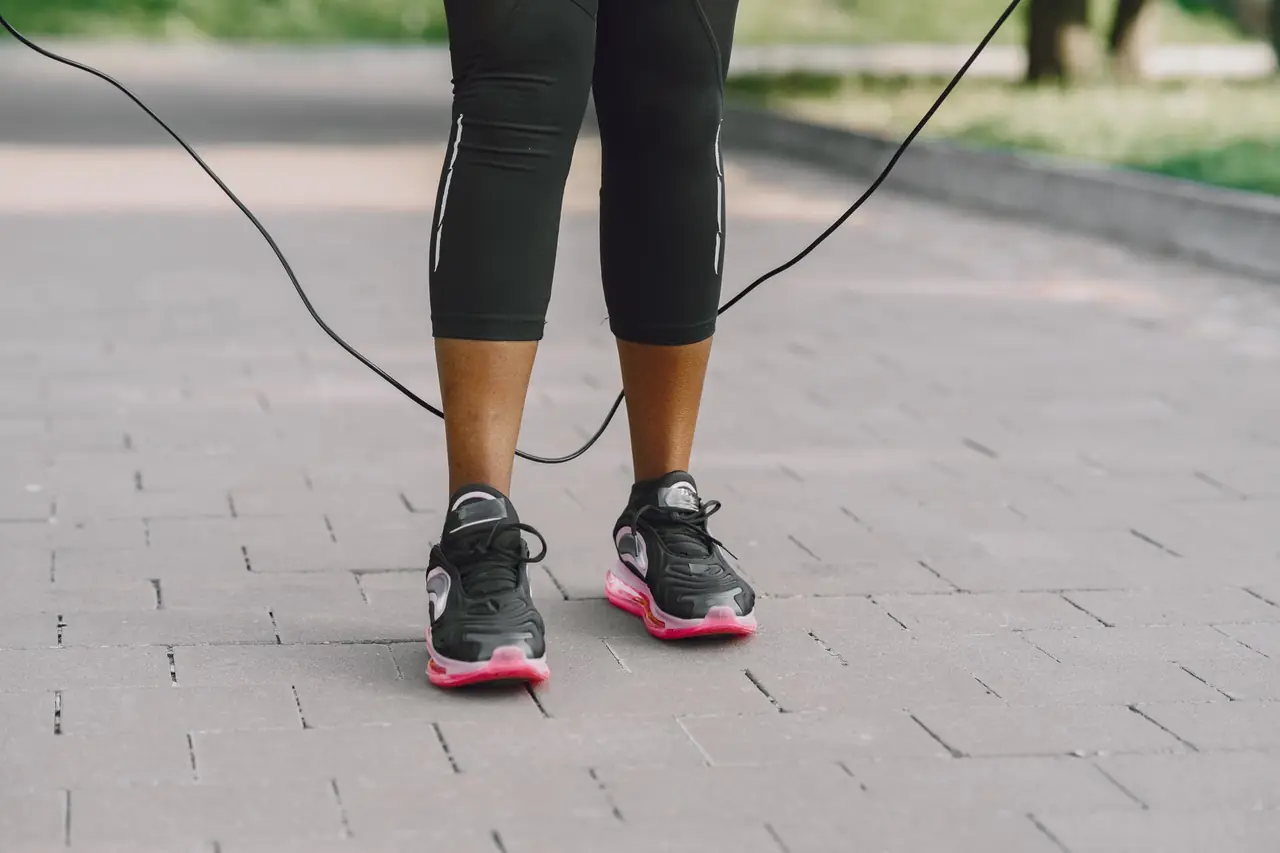
The contrast between a black base and pink details has made this type of footwear one of the most recognizable choices in modern running. There are discreet models, with barely a colored logo, and much bolder designs combining fuchsia, coral or neon pink. But design should not be the only criterion: good running shoes must match the runner’s pace, surface and running style.
The market includes options for easy runs, daily training, fast sessions and compact dirt paths. Prices in entry-level and mid-range categories generally range from 40 to 160 euros, although sales can significantly change that range. The right choice depends less on color than on the combination of fit, stability, cushioning, weight and durability.
The appeal of a combination that is also practical
Black gives the shoes a restrained appearance and usually hides dust, splashes and road marks more effectively. Pink adds contrast and may appear on the mesh, laces, midsole, heel or outsole. This combination works with technical clothing as well as casual sportswear, without looking like footwear designed only for racing.
Bright colors may also improve a runner’s visual presence in certain conditions. A fuchsia detail stands out more than a gray panel when light is limited, although no color replaces reflective elements or suitable lighting. At dawn or dusk, safety mainly depends on being visible from different angles and using appropriate running areas.
Design also has a functional side when it makes the shoes easy to identify among other pairs. Appearance, however, does not show whether a shoe is stable, neutral, flexible or suitable for a runner who needs additional support. Two models with almost identical colors may feel completely different underfoot, so technical features should remain central to the decision.
What type of runner can wear them
Color does not determine the gender, weight or sporting level of the person wearing the shoes. There are different sizes and lasts, from children’s versions to adult unisex models and designs made specifically for narrower feet. The right reference is always the actual foot volume and intended use, not the commercial label linked to the color.
For beginners, frequent walking or alternating running and gym sessions, a training shoe with sufficient midsole protection and a durable outsole is usually sensible. There is no need to choose a carbon-plated racing model. At this stage, immediate comfort, heel hold and an uncomplicated transition matter more than the number of grams listed by the manufacturer.
Runners who train several times a week may prefer a more dynamic option for combining easy runs and pace work. In that case, check forefoot stiffness, foam response and rubber grip. The same shoe may feel agile for a lightweight runner and too soft or unstable for someone with a different technique.
Cushioning, stability and response are not the same
Cushioning describes the midsole’s ability to deform and manage part of the load during foot strike. Soft foam often feels pleasant while walking, but it does not always provide the response desired at faster paces. Firmer foam may feel less plush initially and still offer a quicker, more controlled transition.
Stability concerns how the platform keeps the foot controlled during support. It does not automatically correct pronation or guarantee that discomfort will disappear. Some shoes use a broad base, sidewalls or guiding geometry, while others allow greater freedom of movement. Stability should feel like control without pressure on the arch or instep.
Response is the sensation of energy returned by the shoe as the foot leaves the ground. Lightweight models with responsive foams can help during intervals and short races, but may be less comfortable during long sessions if the runner needs more protection. For daily training, a balance between protection and liveliness is often more useful than pursuing an extreme response.
How to read the last and find the right fit
The foot expands during a long session, especially in warm weather. The toe box should therefore allow the toes to move without letting the foot slide inside the shoe. As a general reference, there should be approximately half an inch to four tenths of an inch of room in front of the longest toe. The exact margin depends on foot shape, sock thickness and planned distance.
The heel should remain secure without rubbing. A well-adjusted lacing system can improve retention, but it should not need to be tightened until tingling appears. If the instep feels compressed from the start, pressure may increase with heat and mileage. Flexible mesh can adapt more easily, although it still needs enough reinforcement to prevent the foot from shifting on turns.
Sizing varies between brands and sometimes between families from the same brand. Measuring both feet at the end of the day gives a more realistic reference than measuring in the morning. Try the shoes with usual running socks and walk for a few minutes before judging the sensation. Immediate comfort does not guarantee performance, but obvious pressure is usually a sign of poor fit.
Models for roads, parks and dirt paths
Road running requires an outsole able to withstand repeated contact with a hard, regular surface. Shoes designed for this setting usually have a continuous geometry, rubber in high-wear areas and a midsole prepared for accumulating mileage. They suit sidewalks, urban paths, athletics tracks and paved promenades.
Park paths with compact dirt can accommodate road shoes when there is no mud, loose rock or pronounced elevation change. In this setting, a moderately patterned outsole and a platform that does not deform sideways are useful. Versatility has limits: an urban shoe does not provide the same grip as a trail shoe when the ground becomes wet or uneven.
Mountain trails and technical paths require deeper lugs, protection from stones and a construction that tolerates twisting. Black and pink shoes also appear in trail ranges, but an adventurous look should not be confused with an outsole prepared for wet rock. Lug depth and distribution determine traction much more than the external appearance.
From easy runs to fast workouts
An easy run usually benefits from a generous midsole, a stable base and a breathable upper. The extra weight of a few grams need not be a problem when the session aims to build time rather than chase a personal best. For many runners, a daily trainer is the main shoe in the rotation and must handle different paces without demanding perfect technique.
During pace changes, fartlek or intervals, a lighter structure may make acceleration easier. The forefoot often feels more flexible or provides a more pronounced transition toward the toes. That agility can be useful, although an aggressive shoe is not always the best companion for walking, working or completing long runs.
Carbon-plated versions are mainly designed for racing and fast running. Their stiffness changes mechanics and may require adaptation. They are not necessary for progress and are not a universal answer to fatigue. Speed comes from training and technique; footwear can support those factors but cannot replace them.
Common brands and families in this color combination
ASICS, adidas, Puma, Nike, Hoka, New Balance, Brooks, Mizuno, Joma and other brands release black colorways with pink accents or closely related variants each season. Training ranges include families such as Jolt, Gel-Excite, Novablast, Pegasus, Supernova, Clifton and 1080, along with comparable models from other brands. Availability changes with the year, size and sales channel.
Entry-level ranges generally prioritize simple construction, EVA foam or a basic compound and an outsole intended for moderate training. Previous-season references may be available for around 35 or 50 euros, while current models with more advanced foams often range from 100 to 180 euros. A discount alone does not make a shoe a good purchase.
Brands do not always use the same last classification. A women’s version may have a narrower heel or different width, but that does not mean it will fit every foot better. Unisex models can also suit many anatomies. Compare internal length, available width, instep volume and sensation while walking.
What to check before buying online
Store photographs show the color contrast but rarely reveal midsole height, flexibility or outsole pattern accurately. Check the technical description and confirm whether the reference is intended for roads, training, racing or trail. Words such as comfortable and lightweight provide little information unless supported by measurements and materials.
Price also needs context. A reduction from the recommended price does not necessarily indicate the current value of the product, especially when it is an older version. Check the launch date, exchange policy and availability in several sizes. In the second-hand market, midsole condition matters more than the appearance of the mesh: clean shoes may have lost much of their response.
Before wearing a new pair in a race, use it for several short sessions. This helps reveal rubbing, lace slippage and insole movement. The adaptation period should be gradual, especially when the shoe’s height or forefoot stiffness changes.
Durability, cleaning and signs of wear
There is no universal mileage number that marks the end of a shoe. Wear depends on weight, technique, terrain, frequency of use and material quality. As a general guide, many training shoes are reviewed between 500 and 800 kilometers, although some last less and others exceed that range. Structural loss may appear before the outsole looks worn.
The clearest signs include a permanently compressed midsole, deep foam creases, uneven heel wear or an impact sensation that was not present before. New pain that coincides with a change in shoe behavior also deserves attention, although persistent discomfort should be assessed by a health professional. Uneven wear alone does not diagnose running mechanics.
To clean black and pink shoes, remove dry dust, use lukewarm water and mild soap, then let them dry at room temperature. Washing machines, tumble dryers and radiators can deform foam, detach parts or alter colors. Storing them clean and dry helps preserve the upper and prevents odors from settling into the insole.
When color supports a technical choice
A black and pink appearance may begin the search, but the final decision should be based on the actual route and needs of the person wearing the shoes. Roads and regular runs call for a stable platform and balanced cushioning; fast workouts benefit from a more agile transition; dirt paths require sufficient outsole pattern. The same colors can cover very different needs.
The best purchase is not necessarily the most expensive, softest or most striking. It is the one that holds the foot securely, leaves room for the toes and behaves predictably throughout the planned mileage. In running, color is visible from the outside; fit and geometry ultimately determine how every step feels.
Este artículo contiene enlaces de afiliado: si compras a través de ellos, se genera una pequeña comisión sin coste adicional para ti. Más información.



How to prevent thigh chafing: causes and real solutions

Women’s running windbreakers: seven jackets and how to choose

Do more workouts get rid of soreness? A guide for runners

Jaén Half Marathon 2026: Record 3,800 Runners Registered

Men’s short running tights: how to choose the right pair

World Triathlon confirms data breach involving medical data

Izan Edo targets podium at Miyazaki World Cup

María Pérez ranks ninth in World Athletics’ 2026 top ten

Dos Santos, Duplantis and Sawe: World Athlete of the Year finalists

San Silvestre Vallecana 2026: 42,000 places, prices and start times

 Races3 months ago
Valencia Half Marathon 2027: date and registration

 Races3 months ago
Valencia Marathon 2026: entry, ballot and course

 Reviews and Comparisons4 months ago
Asics Gel-Roadmiles 3 for men: review and current price

 Reviews and Comparisons4 months ago
Asics Gel Sonoma 8 Gore-Tex: complete analysis for trail and rain

 Sneakers3 months ago
Saucony Endorphin Pro 4: full review and verdict

 News5 months ago
Strava API 2026: what changes for clubs, challenges and runner apps?

 Reviews and Comparisons5 months ago
Nike Alphafly 3: opinions, sensations, and real key points

 Reviews and Comparisons4 months ago
Under Armour running shoes review 2025-2026: models and key features

 Sports Equipment4 months ago
Shoe sizes in cm: a clear guide to getting the right fit for your footwear

 Sneakers3 months ago
Skechers GO RUN Consistent 2.0 analysis: comfort and limits

 News5 months ago
Valencia Marathon 2026 route: key tips to train and run better

 Sneakers4 months ago
Adidas Adizero Boston 13 for men: review and verdict