Sneakers
Black and orange running shoes: a guide to choosing well
A guide to choosing comfortable, durable models suited to your terrain, distance and training needs.

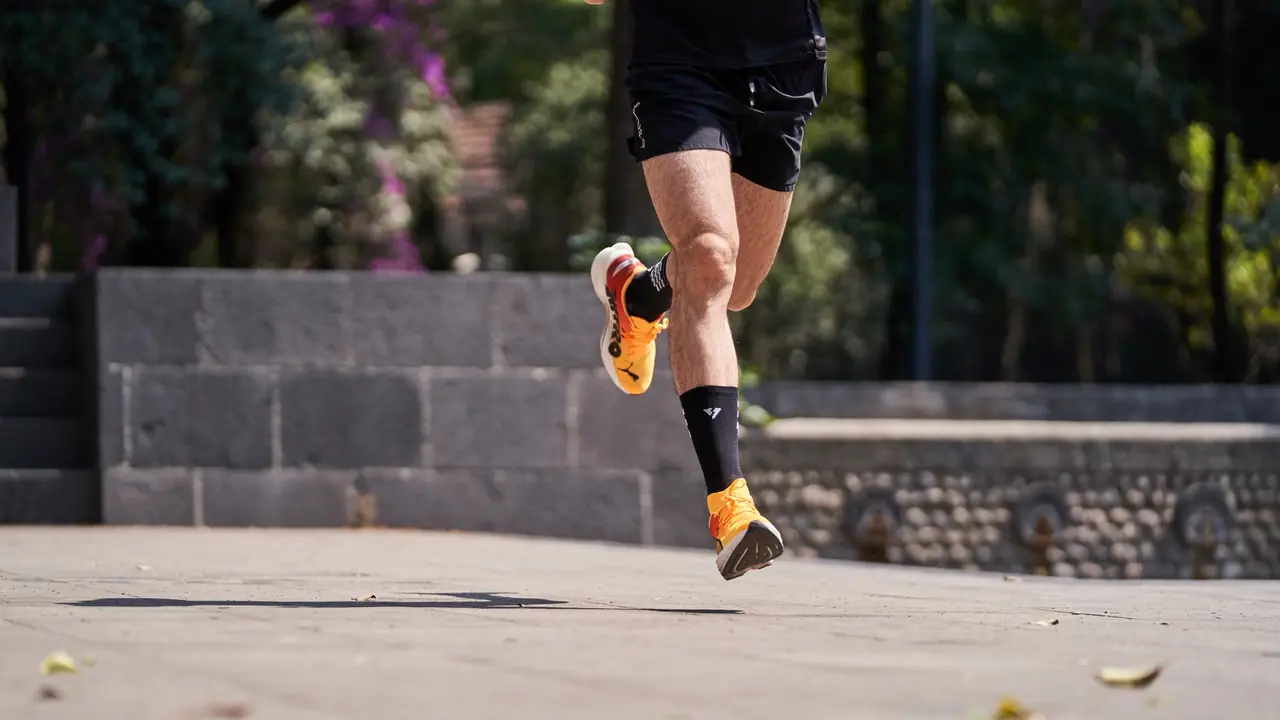
Black and orange running shoes combine a discreet base that is easy to keep clean with a visible contrast that gives the design character. Yet colour only solves part of the decision: for comfortable running, cushioning, fit and surface type matter far more than the exterior finish. Stores offer road, trail and training options, with prices that may range roughly from 45 to 150 euros depending on the category and current promotions.
The key is to separate appearance from function. A dark shoe with orange details can work for easy runs, faster sessions or everyday use if its geometry suits those tasks. The same colour combination may hide a smooth outsole for asphalt, lugs for trails or a firm midsole designed for gym workouts. Choosing the construction rather than the catalogue photograph prevents poor purchases.
What this colour combination really offers
Black often covers most of the upper because it hides dust, splashes and signs of use better than lighter shades. On urban routes, where shoes may brush against kerbs or collect dirt from the road, that practical benefit is clear. Orange is commonly used on logos, laces, heel counters, mesh panels or midsole sections to create visual contrast and a sense of movement.
That contrast may also make the shoes easier to identify during low-light training, although it should not be confused with a reflective system. An orange detail does not guarantee that a shoe will be visible to drivers or cyclists at night. Specific reflective elements, lighting and suitable clothing remain important. A bright colour helps identify the shoe but does not replace reflectivity.
From a maintenance perspective, black sections do not need frequent washing to look reasonably clean, but mesh still collects sweat and moisture. Clean the shoes with lukewarm water, a soft brush and mild soap, avoiding the washing machine and radiators. Orange details can lose intensity with harsh products, so basic care protects both performance and appearance.
Road, park or mountain: the first decision
Road shoes usually have a relatively flat, flexible outsole with enough rubber to handle repeated impacts on asphalt and bike paths. The midsole aims for a smooth transition from heel to toe, while the mesh upper improves ventilation. This category includes simple models for beginners and more responsive options for faster paces. Your usual surface determines the outsole before the colour scheme.
Compact park paths allow more variety. A road shoe can work when the ground is stable and free from loose stones, mud and technical slopes. A trail shoe, however, offers more lateral protection, a lugged outsole and sometimes a reinforced toe box. The difference becomes obvious when the ground is uneven: a lightweight urban mesh upper provides less protection against branches, gravel and sudden changes in balance.
In the mountains, orange may be part of a striking visual design, but grip must come first. Lugs need suitable depth and spacing for the terrain, and the outsole must maintain contact on wet rock or loose soil. A road model should not be used on technical trails simply because its midsole feels comfortable: insufficient traction can change your footing and increase the risk of slipping.
Cushioning and stability are not the same
Cushioning describes how the shoe manages load and whether the ride feels softer or firmer. Stability concerns how the platform guides the foot and controls excessive movement. Neither is automatically better. A lighter runner doing short sessions may prefer an agile response, while someone accumulating many kilometres may value a more protective base. A softer sensation does not necessarily mean greater protection.
Highly cushioned models often feel pleasant during the first minutes, although they may feel bulky or less precise in turns and pace changes. Firmer options transmit more ground feel and can provide a more direct response, but they may require gradual adaptation. Online photographs cannot reveal this sensation, so check the midsole height, approximate weight and comments about fit, stiffness and ride.
Support needs should not be diagnosed simply by looking at wear on an old pair. Pronation is a normal foot movement and does not automatically make a stride problematic. Persistent discomfort, injuries or uncertainty about suitable footwear should be assessed by a healthcare professional. For most runners, a secure heel, a stable platform and enough room at the front are more useful criteria than marketing labels.
How to get the size and fit right
The foot may increase slightly in volume during a long run, especially in warm weather. The shoe should therefore be tested with your usual socks, leaving roughly half to one centimetre between the longest toe and the front. The heel should not lift noticeably while walking, while the upper must hold the foot without pressure or tingling. A toe box that is too short can ruin an otherwise excellent technical shoe.
Width matters as much as length. Some models narrow the forefoot for a faster silhouette, while others leave more room for the toes to spread. The foot should not be trapped, but it should not slide inside the shoe either. On descents, a secure lacing pattern keeps the toes away from the front; during easy runs, excessive pressure across the instep can cause numbness.
Differences between men’s, women’s and unisex versions are not always limited to colour. The last, heel volume or platform width may change, although each brand uses its own criteria. Sizing also differs between manufacturers. Measuring both feet at the end of the day and checking the model-specific chart is usually more reliable than always choosing the same number. European sizing is a guide, not a substitute for real foot measurements.
Models for training, racing or everyday wear
For regular training, the best balance is often a versatile shoe with moderate cushioning and an outsole capable of handling asphalt, pavements and compact tracks. It does not need to be the lightest or most advanced model. A breathable mesh upper, secure lacing and a midsole that holds its shape usually provide more value than a rigid plate or racing foam. An everyday trainer must tolerate repetition.
Speed-focused shoes prioritise low weight, quick transitions and a more energetic response. Some include plates or curved geometries, but these are not essential for running faster and may feel unnatural to runners who are not used to them. They usually make more sense for specific workouts or races than as the only weekly pair. Black with orange details often appears in this segment because it reinforces an athletic, aggressive look.
For walking, commuting or pairing with sportswear, some running shoes work well, but urban use changes wear patterns. Rubber wears differently during walking and running, and a very soft shoe may lose stability when worn all day. In this case, look for a comfortable, durable construction rather than paying for technologies that will not be used. The best model fits the real activity, not the most demanding activity imagined.
Prices, sales and second-hand purchases
Observed references from Spanish retailers show a broad range. Entry-level models may be discounted to around 40 or 50 euros, while more complete training shoes often sit between approximately 70 and 120 euros. Shoes with plates, advanced foams or technical components may exceed 130 euros. These are indicative figures that change with the season, available sizes, collection and promotions. A discounted price alone does not show that a model is suitable.
Sales require checking the full product name because the same model may come in road, trail, women’s, men’s or junior versions. It is also worth checking the launch year and return conditions. A major discount may simply mean that only a few sizes remain or that an earlier generation is being sold, which is not necessarily negative if the fit and condition meet the runner’s needs.
Second-hand platforms show very different prices, from low amounts to more than 100 euros for recent or racing models. Inspection should focus on the outsole, midsole creases, heel, insole and stitching. A lightly used shoe may have been stored poorly, and photographs do not always reveal deformation. Authenticity, wear and the possibility of returning the item matter more than the initial saving.
Longevity, cleaning and signs of wear
There is no universal mileage figure that marks the end of a shoe’s life. Runner weight, surface, technique, weather and material quality all affect durability. As a general reference, many models are inspected after 600 kilometres, although some last longer and others show fatigue sooner. Loss of rebound, compressed foam and a smooth outsole are more useful signs than the calendar. Wear should be judged by behaviour, not appearance alone.
A monthly check can identify problems before discomfort appears. Look for a shoe that sits tilted on a flat surface, a deformed heel counter or areas of outsole where the tread has disappeared. Comparing the right and left shoes is also useful. Marked differences may indicate uneven loading or a defect worth monitoring.
After running in the rain, dry the shoes at room temperature and remove the insoles when possible. Paper can help absorb moisture, but the mesh should not be compressed too tightly. Rotating two pairs allows the materials to recover their shape and reduces moisture build-up. Simple maintenance protects the fit and slows midsole deterioration.
Colour attracts, but the stride decides
A black and orange combination can make a technical model highly recognisable, both on the street and in a training group. That visual identity makes the pair easy to find among other shoes and works with clothing of almost any colour. Appearance, however, says nothing about stability, ventilation, grip or durability. It is a reason to notice a shoe, never the final criterion.
The most sensible choice starts with actual use: weekly mileage, terrain, usual pace, weather and the space your foot needs. Then compare geometry, outsole, midsole, weight and fit. Budget, warranty and return conditions come afterwards. When design accompanies suitable construction, colour becomes part of a complete choice rather than a sales hook.
In a shop window, orange stands out like a bright brushstroke over a dark base; on the road, only support and confidence matter with every step. The best running shoes are not necessarily the most striking or expensive, but those that disappear from your attention while your stride remains comfortable, stable and repeatable.
You may also like: Red and white running shoes: a practical buying guide and Black and pink running shoes: how to choose well.
Este artículo contiene enlaces de afiliado: si compras a través de ellos, se genera una pequeña comisión sin coste adicional para ti. Más información.



How to prevent thigh chafing: causes and real solutions

Women’s running windbreakers: seven jackets and how to choose

Do more workouts get rid of soreness? A guide for runners

Jaén Half Marathon 2026: Record 3,800 Runners Registered

Men’s short running tights: how to choose the right pair

World Triathlon confirms data breach involving medical data

Izan Edo targets podium at Miyazaki World Cup

María Pérez ranks ninth in World Athletics’ 2026 top ten

Dos Santos, Duplantis and Sawe: World Athlete of the Year finalists

San Silvestre Vallecana 2026: 42,000 places, prices and start times

 Races3 months ago
Valencia Half Marathon 2027: date and registration

 Races3 months ago
Valencia Marathon 2026: entry, ballot and course

 Reviews and Comparisons4 months ago
Asics Gel-Roadmiles 3 for men: review and current price

 Reviews and Comparisons4 months ago
Asics Gel Sonoma 8 Gore-Tex: complete analysis for trail and rain

 Sneakers3 months ago
Saucony Endorphin Pro 4: full review and verdict

 News5 months ago
Strava API 2026: what changes for clubs, challenges and runner apps?

 Reviews and Comparisons5 months ago
Nike Alphafly 3: opinions, sensations, and real key points

 Reviews and Comparisons4 months ago
Under Armour running shoes review 2025-2026: models and key features

 Sports Equipment4 months ago
Shoe sizes in cm: a clear guide to getting the right fit for your footwear

 Sneakers3 months ago
Skechers GO RUN Consistent 2.0 analysis: comfort and limits

 News5 months ago
Valencia Marathon 2026 route: key tips to train and run better

 Sneakers4 months ago
Adidas Adizero Boston 13 for men: review and verdict