Sneakers
Breathable summer sneakers: upper, sole and Valencian heat already
Key factors for choosing cool footwear in hot months: materials, fit, weight, real use, and mistakes to avoid.

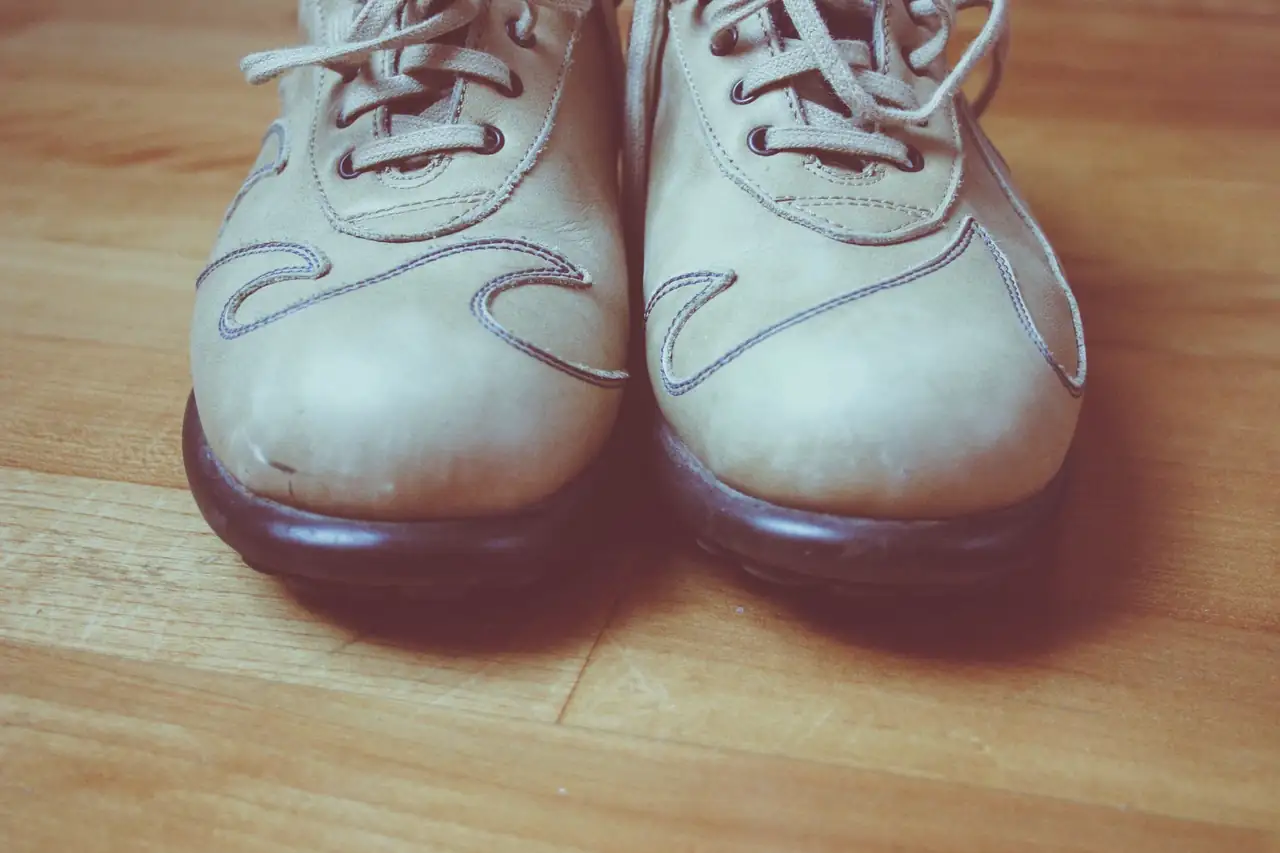
Imagen: romantik2210 / Pixabay
Heat completely changes the relationship between the foot and the shoe. In summer, a loaded upper, a thick tongue, or a last that’s too tight turn every walk into a steam chamber. The body sweats to regulate temperature, but excess moisture inside the shoe can spike discomfort, encourage rubbing, and speed up bad odor. That’s why the fresher options aren’t just the ones that look light: they have to let air circulate, evacuate heat, and keep a stable feeling for hours.
On the market, there are plenty of models with mesh, open panels, soft foams, and technology names that promise freshness. However, not all ventilated shoes work the same way or suit the same use. Some prioritize urban comfort, others cushioning for lots of walking, and others aim for a more sporty balance. In the middle of summer, the difference between getting it right or not usually comes down to very specific details: the type of fabric, the thickness of the padding, the space in the toe box, and moisture management.
What really makes footwear feel cool in hot months
Breathability doesn’t depend only on visible holes in the upper. A shoe can look open and still trap heat if its interior is heavily padded, if the outer fabric barely lets air through, or if the design closes off the instep too much. What matters is the whole package: a porous mesh, a structure that doesn’t squeeze, a insole that doesn’t add a heavy layer, and a sole that doesn’t turn the foot into an island cut off from the surroundings.
The best-resolved models usually combine technical mesh, knit fabrics, or perforated pieces with just enough reinforcement in the wear-prone areas. That mix lets some of the built-up heat escape with each step and allows fresh air to come in with movement. On a long walk through the city, where the asphalt radiates heat like a frying pan, that ventilation shows up in the feeling of lightness and in less sweat buildup.
Weight also matters. The bulkier the shoe, the more material surrounds the foot and the more heat it can hold onto. That doesn’t mean every heavy shoe is bad for summer, because there are very cushioned models that still ventilate well, but the balance is worth watching. A simpler structure, with fewer layers and less unnecessary foam, usually helps much more than it seems on warm days.
Another decisive factor is the last. A fit that’s too tight compresses the foot and blocks air circulation, while a slightly roomier toe box leaves space for the natural expansion that happens with heat. That expansion, which many people overlook, is one of the reasons a shoe that fits at the start of the day can feel suffocating by mid-afternoon.
Materials that make the difference when the temperature rises
Mesh is still the big summer star. It’s the most common material in ventilated shoes because it allows small, regular openings that help air get out without completely sacrificing support. In running, walking, or everyday-use models, engineered mesh has become the most reliable resource for achieving a fresh feel without falling into a fragile or overly soft design.
Knit or technical knit fabrics have also gained ground. They offer a more enveloping feel, almost like a sock, and can be very pleasant in dry, warm climates. Their behavior depends a lot on how they’re knitted: some breathe exceptionally well, others prioritize fit and give up part of the ventilation. It’s not enough for the material to be modern; density and the way it’s built matter.
Perforated synthetic pieces and open side panels add a useful extra. They’re especially valuable in areas where the foot generates more heat, like the toe box and midfoot. By contrast, suede or smooth leather, so common in retro-style models, usually ventilate worse if they aren’t combined with mesh. They can work in summer if they include enough openings and if the use is more urban than sporty, but they’re no longer playing in the same league as a light, highly airy upper.
You also have to look inside. A thick lining can ruin a good outer layer, and an insole that doesn’t manage moisture well turns heat into stickiness. Details that seem minor, like a thin tongue or a less padded collar, often influence the final feel more than expected. The foot doesn’t just need to breathe on the outside; it also needs the inner environment not to turn into a blanket.
Models and families that usually work best in summer
Running shoes with a lightweight upper are a logical bet for the heat. Even though they were born for running, many have earned a place outside training because of their ability to combine ventilation, cushioning, and low weight. Within that category, the ones built with open mesh and moderate foams stand out, because they create a more agile stride and don’t trap as much heat as other designs meant for maximum padding.
In everyday wear, lifestyle shoes with mesh and simplified silhouettes offer a very useful compromise. They’re usually easier to pair with casual clothes and, at the same time, keep acceptable breathability for city commutes, short trips, or long days on your feet. When they’re well made, they don’t feel like pure sports gear, but they also don’t behave like a closed shoe that suffocates.
Slip-on models, quick-fit shoes, or those with slip-in systems have grown strongly. In summer, that ease of getting your foot in without wrestling with tongues or tight laces is appreciated more than it seems. If they also include mesh in the forefoot and a less rigid collar, they offer comfortable wear for very hot days. They’re not the ideal solution for every kind of activity, but for urban movement they can be surprisingly practical.
Sport sandals and open hybrids sit at the freshest end of the spectrum. They’re the ones that release heat best because they expose more surface to the air, although they don’t always suit someone looking for a closed aesthetic or more protection. For walks, vacations, or informal settings, they can be a very solid answer when summer really bites.
How to read the specs without getting carried away by the packaging
The word breathable appears in many technical sheets, but it doesn’t always mean the same thing. Sometimes it describes a real property of the upper; other times, it’s barely a design intention. That’s why it’s worth looking at more concrete data: whether the upper is mesh, whether the brand mentions strategic ventilation, whether the model is designed for warm climates, or whether it includes solutions aimed at wicking away moisture.
Weight also helps interpret how the model behaves. A shoe with a low profile and lightweight materials usually handles heat better than one with a high platform and a closed structure. However, there are exceptions: certain well-cushioned models still breathe well thanks to the construction of the instep. In other words, weight matters, but it doesn’t decide everything on its own.
Cushioning deserves a more nuanced reading. Plenty of foam can be excellent for absorbing impact, but if the goal is a summer shoe, it’s worth considering whether that comfort adds bulk and thermal retention. The key is making sure comfort doesn’t turn into heaviness. A balanced model achieves softness underfoot without wrapping the foot like an insulating cover.
Flexibility is another useful indicator. Shoes that bend naturally follow the stride better and reduce the feeling of stiffness, something especially important when it’s hot and the foot tends to swell. If the forefoot feels hard, the heat is felt sooner; if the whole shoe gives a little more easily, the experience is usually kinder even outside sport.
Sweaty feet and the importance of not trapping the problem
Constant moisture isn’t just an annoyance. When the inside of the shoe stays wet for too long, the skin softens, rubbing appears more easily, and the risk of fungus increases. The problem usually isn’t one specific day, but repetition: heat, friction, poor ventilation, and a material that isn’t very generous with air form an unkind combination.
That’s why the most suitable summer shoes usually work better if they’re paired with technical socks that wick moisture. Cotton, while pleasant to the touch, holds more sweat and takes longer to dry. Synthetic fabrics or sport-oriented blends move moisture outward better, something especially useful on long trips or on the hottest days.
Fit comes back as a central element. A size that’s too tight and a compressed toe box can make the problem worse because they limit the foot’s natural ventilation. In summer, it makes sense to leave a little room, especially if the footwear will be worn for many hours in a row or at times of day when heat builds up. That small extra space can make the difference between tolerable and suffocating.
Daily hygiene also matters. Drying the foot well, alternating pairs, and letting the shoe rest so it can air out are simple practices that improve the behavior of any shoe, even the best-designed ones. The best upper on the market loses effectiveness if it’s worn every day without a break and with a permanently damp insole.
What kind of user usually gets the most out of these shoes
Anyone who walks a lot around the city immediately notices the advantage of a well-ventilated model. On hot sidewalks, in crowded stations, or on long routes with stops, heat builds up surprisingly fast. That’s where lightweight shoes with generous mesh and enough cushioning to avoid punishing the sole of the foot shine. The weight savings and air circulation translate into a fresher feeling at the end of the day.
They’re also useful for people who spend hours standing, work in informal settings, or keep moving continuously during the summer. In those cases, breathability stops being a luxury and becomes part of basic comfort. It’s not just a matter of taste; it’s a tool so heat doesn’t turn every day into extra effort.
For running in high temperatures, the air that enters and exits the upper matters even more. On an easy workout, a ventilated shoe helps reduce that oven-like feeling in the toes and keeps sweat from building up too quickly. That said, not every fresh-feeling model is suitable for demanding runs or fast paces. The choice has to balance ventilation, stability, and responsiveness, because summer also punishes the sole and the fit.
By contrast, someone looking for a shoe for occasional use, travel, or weekend getaways may prioritize immediate comfort and the feeling of freshness when putting it on even more. In that scenario, an easy-on system, a soft mesh, and a contained weight usually matter more than the technical architecture of a shoe meant for training.
Common mistakes when buying with breathability in mind only
The first mistake is confusing ventilation with fragility. A very open upper may seem ideal in the store and fail after just a few weeks if the reinforcements are insufficient. The areas where the foot bends and rubs need some support. The balance between air and durability matters more than the visual impression of absolute freshness.
The second mistake is underestimating the last. There are very breathable shoes that, because of their narrow cut, become uncomfortable when the heat is on. The foot needs a little more room in summer, especially in the toe area. Ignoring that detail can turn an excellent model into a bad daily experience.
It’s also common to choose very soft foam without thinking about accumulated heat. Plush cushioning can feel wonderful at first touch, but if the structure is too thick, the shoe can feel warmer than expected. The best reading isn’t the one with the most padding, but the one with the most useful comfort. In summer, less is sometimes more.
Finally, it’s worth not getting carried away by the retro look or the seasonal color alone. There are visually very attractive models that handle ventilation with a discreet and effective mesh, and others that seem ready for the heat but actually trap too much. Aesthetics matter, yes, but the foot doesn’t care about trends when the asphalt throws the heat back like a dark mirror.
The short list of signs that usually reveal a good summer option
A shoe that works well in summer usually gives clear clues even before you try it on. The upper should have visible ventilation zones, the toe box shouldn’t feel enclosed, the tongue shouldn’t add an excessive layer, and the overall structure should seem light without feeling flimsy. If the model includes wide mesh panels and thin but durable materials, it already starts with an advantage.
It also helps if the brand explains its construction with some precision: technical mesh, localized ventilation, lightweight materials, design for walking or running in warm climates. The more concrete details the product sheet offers, the more likely it is that the product responds to a real need and not a generic label. Exact language is usually the best antidote to impulse buying.
In daily use, a good summer shoe is recognized by the calm it conveys. It doesn’t stand out for too much padding, it doesn’t squeeze, it doesn’t hold onto odor excessively, and it doesn’t make you think about your feet every few minutes. That discretion is, paradoxically, one of its greatest virtues. It lets movement happen without making too much of a fuss.
When the heat really settles in, the difference between an ordinary shoe and a well-ventilated one becomes almost physical. The foot feels less trapped, the stride becomes easier, and the day weighs a little less. That’s where the real usefulness of shoes designed for summer lies: they don’t promise miracles, but they do promise a kinder relationship with temperature, sweat, and long hours.
Footwear that is less noticeable and more appreciated when the heat arrives
The best summer shoe isn’t necessarily the most open or the most eye-catching. It’s the one that makes heat bother less, keeps the foot stable, and leaves the inside feeling pleasant after several hours. That balance between freshness, fit, and comfort is what separates a simple ventilated product from a serious ally for the toughest season of the year.
That’s why, more than looking for a model that merely appears light, it’s better to look for a construction that truly breathes, a toe box with enough room, and a sensible relationship between cushioning and weight. On July or August days, when the air seems to stand still and the pavement throws back the temperature, that combination is worth gold. It doesn’t dazzle on the shelf, but it’s appreciated with every step.
The warm season doesn’t ask for miracles: it asks for judgment. And judgment, in footwear, usually starts by looking closely at what you can’t see at first glance. The mesh, the seams, the padding, the shape, and the intended use matter much more than the claim on the box. In summer, the ideal shoe is the one that lets the foot breathe without giving up the support that keeps it in place.
You may also like: Fresh summer sneakers for women: keys to getting it right.



How to prevent thigh chafing: causes and real solutions

Women’s running windbreakers: seven jackets and how to choose

Do more workouts get rid of soreness? A guide for runners

Jaén Half Marathon 2026: Record 3,800 Runners Registered

Men’s short running tights: how to choose the right pair

World Triathlon confirms data breach involving medical data

Izan Edo targets podium at Miyazaki World Cup

María Pérez ranks ninth in World Athletics’ 2026 top ten

Dos Santos, Duplantis and Sawe: World Athlete of the Year finalists

San Silvestre Vallecana 2026: 42,000 places, prices and start times

 Races3 months ago
Valencia Half Marathon 2027: date and registration

 Races3 months ago
Valencia Marathon 2026: entry, ballot and course

 Reviews and Comparisons4 months ago
Asics Gel-Roadmiles 3 for men: review and current price

 Reviews and Comparisons4 months ago
Asics Gel Sonoma 8 Gore-Tex: complete analysis for trail and rain

 Sneakers3 months ago
Saucony Endorphin Pro 4: full review and verdict

 News5 months ago
Strava API 2026: what changes for clubs, challenges and runner apps?

 Reviews and Comparisons5 months ago
Nike Alphafly 3: opinions, sensations, and real key points

 Reviews and Comparisons4 months ago
Under Armour running shoes review 2025-2026: models and key features

 Sports Equipment4 months ago
Shoe sizes in cm: a clear guide to getting the right fit for your footwear

 Sneakers3 months ago
Skechers GO RUN Consistent 2.0 analysis: comfort and limits

 News5 months ago
Valencia Marathon 2026 route: key tips to train and run better

 Sneakers4 months ago
Adidas Adizero Boston 13 for men: review and verdict