Sneakers
Sneakers for sweaty feet: ventilation, sock and fit now
Materials, fit, and real-world use make all the difference when it comes to keeping your feet dry, fresh, and free from chafing.

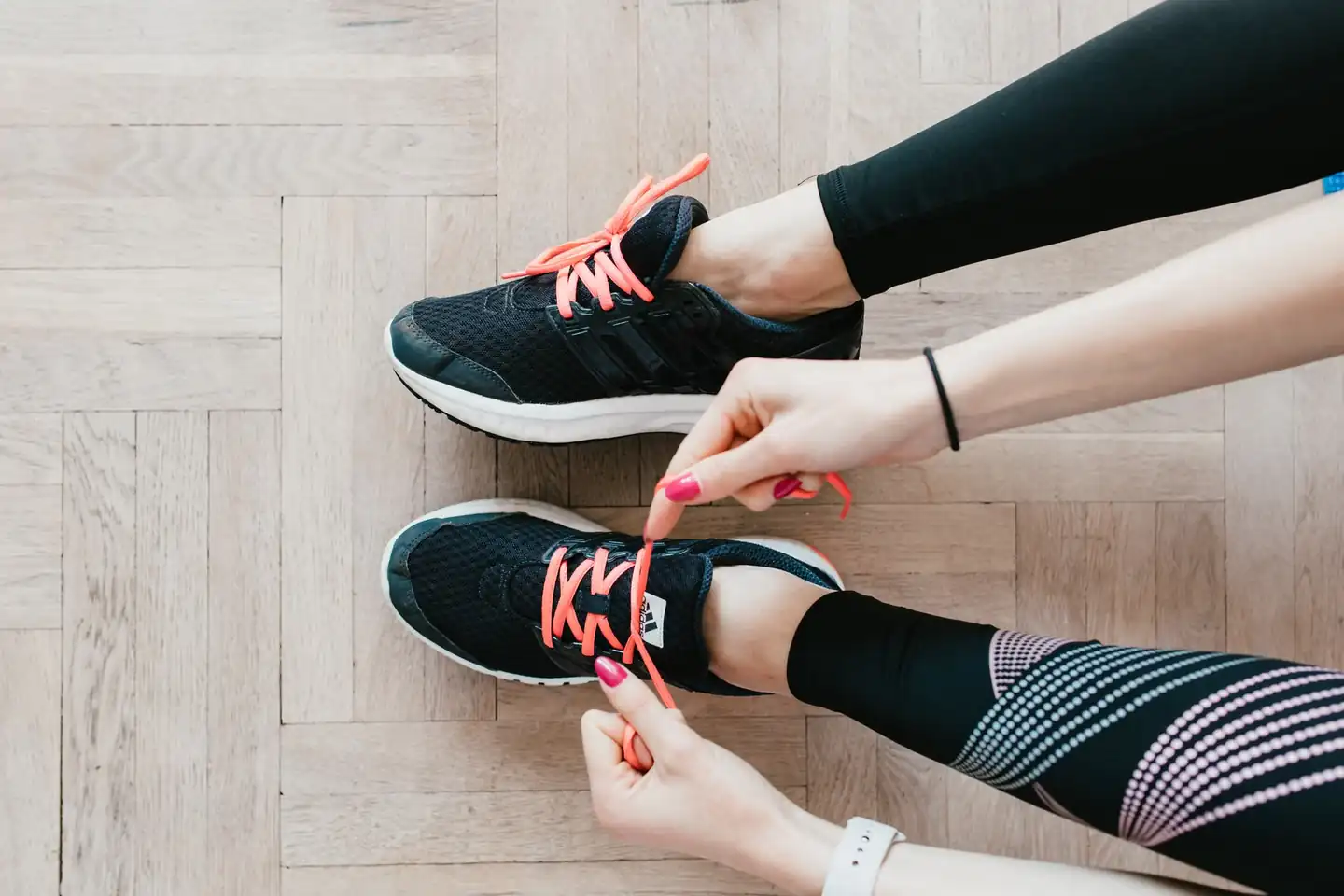
Shoe ventilation weighs as much as cushioning when feet respond with constant moisture. In sport, at work, or in everyday life, a closed, poorly breathable upper turns the inside of the shoe into a small heat chamber; sweat builds up, the skin softens, and rubbing appears sooner than it seems. That is why choosing the right shoes for sweaty feet is not a matter of whim, but of comfort, hygiene, and preventing very specific discomforts.
The market has learned to read that problem and today offers more precise solutions than a few years ago: technical mesh, knit fabrics, microfibers, natural leather without heavy lining, insoles that wick away moisture, and open designs when use allows it. The key is not to chase the lightest model just because, but to understand which materials let the foot breathe, which ones manage vapor better, and what kind of shoe fits each activity.
What makes a foot sweat more inside a shoe
The foot has a high density of sweat glands and sweats even at rest; when walking, running, or standing for many hours, that mechanism is activated even more. The problem is not sweat itself, but its staying inside the shoe. When moisture is not evacuated, the skin softens, chafing appears, and an environment favorable to bad odor and certain superficial infections is created.
The outer material makes a big difference, but so does the whole set: inner lining, insole, sock thickness, and fit. A model that is too narrow increases friction, raises temperature, and reduces air circulation. Shoes that are too roomy, but poorly held, also generate unnecessary movement of the foot inside the shoe and end up punishing the skin in another way. Balance matters more than the slogan.
Trapped moisture acts like an invisible blanket. You can’t see it, but you can feel it in the heaviness, in the smell, and in the whitish skin after several hours of wear. That is why shoes with real ventilation are noticeable from day one: the inside stays drier, the foot cools better, and the stride feels less heavy on long days or intense workouts.
Materials that really help wick away moisture
Technical mesh remains one of the most effective solutions because it combines lightness and airflow. In running, functional training, and everyday urban shoes, uppers made of engineered mesh or knit fabrics make it possible to create more open zones and other firmer ones, so the foot breathes without losing support. That design, so common in current models, is not just aesthetics; it is engineering applied to sweat.
Knit fabrics with an open structure and breathable microfibers also work well, as long as they are paired with a suitable insole. In some running models, the upper behaves almost like a technical sock and adapts to the instep without creating rigid seams. It is a useful approach for those looking for freshness without giving up a snug fit, especially over middle distances or easy road runs.
Good-quality natural leather can perform better than certain closed synthetics, especially in everyday footwear and in summer. Not all leather breathes the same, and not all finishes behave the same either, but flexible leather without heavy coatings usually manages moisture better than a poorly porous plastic material. On the other hand, if the shoe prioritizes appearance over ventilation, the foot ends up paying the thermal price.
The insole deserves special attention. Some technical versions incorporate layers that disperse moisture and help sweat leave the inside of the shoe sooner. It is also worth remembering that a very thick or poorly breathable insole can cancel part of the work done by a good outer mesh. The shoe’s breathability depends on the whole set, not on a single piece.
Models and uses: a running shoe does not breathe the same as a city shoe
In running, the priority is to combine ventilation, fit, and stability. Shoes with a mesh or knit upper are the most logical choice for regular training, especially when the heat is on or the runner racks up many kilometers a week. They usually offer a lighter structure, a less rigid feel, and more effective heat management than more closed models or those excessively reinforced.
For running on mixed paths or simple trails, trail models with technical mesh and a sole with good grip add another advantage: they keep things fresh without compromising traction. Do not confuse durability with stiffness. A trail or mountain shoe can be robust and, at the same time, let air pass better than a very cushioned urban shoe with no real vents. The key is that the forefoot does not feel trapped.
In the gym, the priority changes. Training shoes need lateral stability, a firm base, and support that allows jumps, direction changes, and lifting. Even so, there are models with a more open mesh and reinforcements designed for intense sessions without turning the foot into a sauna. For those who sweat a lot, a good choice means looking for a balance between ventilation and control, because a shoe that is too soft can also fail in demanding exercises.
For urban use, the criterion is more flexible. Sporty-looking mesh shoes, models with foam midsoles, and silhouettes inspired by running work well for walking, going to work, or spending the day out. Here, breathability is especially noticeable in summer, when the asphalt adds heat and the foot appreciates a less stuffy interior. A nice design can be comfortable; an airtight one almost never is when sweat shows up often.
Sandals and flip-flops have maximum ventilation by definition, and that is why they remain the freshest alternative when the context allows it. They do not work for everything, nor do they replace a shoe for training or long trips, but they do represent a logical option for rest moments, changing rooms, or very casual use. In warm climates, sometimes the simplest solution is also the most effective.
What to look for before buying well-ventilated shoes
The first filter is the upper. Visible mesh, an open-knit structure, or combinations with thinner panels usually perform better than compact surfaces. It is also worth checking whether the toe box leaves enough room for the toes to spread. When the forefoot is tight, heat builds up and the feeling of moisture increases, even if the outer material is correct.
The second filter is the insole. Some shoes include removable insoles, and that makes drying after use easier. That seemingly minor feature changes daily hygiene a lot, because airing the inside separately helps keep moisture from staying trapped for hours. For people who sweat a lot, that simple gesture has a disproportionate impact.
Weight also affects the thermal sensation. Heavier footwear usually contains more material, more layers, and sometimes less airflow. It is not always the case, but the pattern usually holds: the more overloaded the design, the easier it is for the foot to feel the heat. Lightweight shoes are not the answer to everything, although they are often a sign of lower heat retention.
The final fit deserves a calm try-on, ideally at the end of the day, when the foot is more expanded. That detail avoids buying a size that later feels too small on long days or in high-heat training sessions. It is also worth trying the shoe with the type of sock that will actually be worn, because a thick sock changes the usable space and alters the thermal behavior of the whole set.
Socks, drying, and habits that change the result
A good technical sock is worth almost as much as the shoe. Fabrics that wick moisture help move sweat from the skin to the surface of the fabric, where it evaporates more quickly. Cotton, on the other hand, tends to hold moisture and stay cold and heavy when sweat builds up. That difference is noticeable after just a few minutes, and even more after several hours.
It is a good idea to rotate socks, dry your feet well before putting on footwear, and let shoes air out after use. Taking out the insole, loosening the laces, and allowing the inside to breathe fully reduces residual moisture. They are not flashy habits, but their effect is clear: less odor, less maceration, and less feeling of being trapped.
Daily hygiene also matters. Washing your feet calmly, drying well between the toes, and trimming the nails properly reduces friction and improves comfort. When sweat is abundant, the skin needs more attention, not more harshness. And if the odor persists despite proper footwear, the problem is no longer only in the shoes, but in a combination of factors that may need to be reviewed.
Absorbent powders, hygiene sprays, and antiperspirants specifically for feet can be useful in certain cases, although they do not replace well-ventilated footwear. They are support, not miracles. The base remains the same: less enclosure, less heat, more drying. Everything else adds from there.
The relationship between sweat, odor, and skin health
Bad odor does not come directly from sweat, but from the action of bacteria on moisture and dead skin cells. When the inside of the shoe stays warm and wet for too long, that ecosystem speeds up. That is why odor usually gets worse in summer, during long sessions, or with poorly breathable materials.
Constant moisture also favors chafing and, in some cases, fungal infections. This is not about alarming anyone, but about understanding that the foot needs to dry as well as it needs to be washed. A shoe that does not let moisture escape is not just uncomfortable; in the long run, it can worsen the condition of the skin if used daily without rest or rotation.
Prevention is more effective than correction. Once irritation appears, the skin takes time to regain its balance and any small rub becomes more annoying. That is why a well-thought-out purchase has value beyond immediate comfort. Choosing a breathable model does not just improve the wearing experience: it also reduces the small accumulated damages that end up ruining a workout or a workday.
How more ventilated shoes fit into a real wardrobe
People do not use the same footwear for running, walking, working, and strength training, and that variety forces a more precise way of thinking. A very ventilated running shoe can be excellent for an easy run, but perhaps too soft for a session with weights. A stable gym option may be right for functional exercises, but less comfortable for long walks. Sweat does not change the rules of use; it only makes their limits more visible.
In summer, the wardrobe usually splits clearly between what cools and what protects. More open or mesh shoes gain space for daily commutes, getaways, and light training. Closed models are reserved for moments when protection or support matter more than air circulation. That sensible division avoids the most common mistake: asking one pair to do everything.
Breathability does not replace fit or function. Very airy but unstable footwear can make the experience worse if the foot moves too much. Likewise, a sturdy, well-built shoe can still be valid if it incorporates materials that manage moisture effectively. The good product is not the one that looks the most airy at first glance, but the one that balances materials, shape, and intended use.
A daily problem that is better solved with judgment than with promises
Sweaty feet do not disappear completely with a single pair of shoes, but they can be controlled much better when the design helps. Technical mesh, breathable linings, removable insoles, enough room in the toe box, and socks that wick away moisture form a much more useful combination than any isolated gesture. The experience changes, and it changes in a tangible way: less heat, less rubbing, and less odor.
Choosing well is not about chasing a specific name, but about reading the anatomy of the shoe carefully. If the material does not breathe, moisture will stay. If the fit is tight, heat will rise. If drying is slow, the problem will repeat the next day. On the other hand, when the whole set works, the foot feels lighter and the routine stops revolving around discomfort.
The good news is that today there are enough options for almost any context. From running models with open mesh to lightweight urban shoes, through sandals for maximum ventilation and technical footwear for training, the range allows for much finer tuning than before. In such an everyday matter, the difference between getting it right and getting it wrong is felt with every step.
Este artículo contiene enlaces de afiliado: si compras a través de ellos, se genera una pequeña comisión sin coste adicional para ti. Más información.



How to prevent thigh chafing: causes and real solutions

Women’s running windbreakers: seven jackets and how to choose

Do more workouts get rid of soreness? A guide for runners

Jaén Half Marathon 2026: Record 3,800 Runners Registered

Men’s short running tights: how to choose the right pair

World Triathlon confirms data breach involving medical data

Izan Edo targets podium at Miyazaki World Cup

María Pérez ranks ninth in World Athletics’ 2026 top ten

Dos Santos, Duplantis and Sawe: World Athlete of the Year finalists

San Silvestre Vallecana 2026: 42,000 places, prices and start times

 Races3 months ago
Valencia Half Marathon 2027: date and registration

 Races3 months ago
Valencia Marathon 2026: entry, ballot and course

 Reviews and Comparisons4 months ago
Asics Gel-Roadmiles 3 for men: review and current price

 Reviews and Comparisons4 months ago
Asics Gel Sonoma 8 Gore-Tex: complete analysis for trail and rain

 Sneakers3 months ago
Saucony Endorphin Pro 4: full review and verdict

 News5 months ago
Strava API 2026: what changes for clubs, challenges and runner apps?

 Reviews and Comparisons5 months ago
Nike Alphafly 3: opinions, sensations, and real key points

 Reviews and Comparisons4 months ago
Under Armour running shoes review 2025-2026: models and key features

 Sports Equipment4 months ago
Shoe sizes in cm: a clear guide to getting the right fit for your footwear

 Sneakers3 months ago
Skechers GO RUN Consistent 2.0 analysis: comfort and limits

 News5 months ago
Valencia Marathon 2026 route: key tips to train and run better

 Sneakers4 months ago
Adidas Adizero Boston 13 for men: review and verdict