Sneakers
Running shoes for getting back to running after a break: what really matters
The key points for getting back into running more safely: cushioning, fit, stability and the models that work best for each runner.

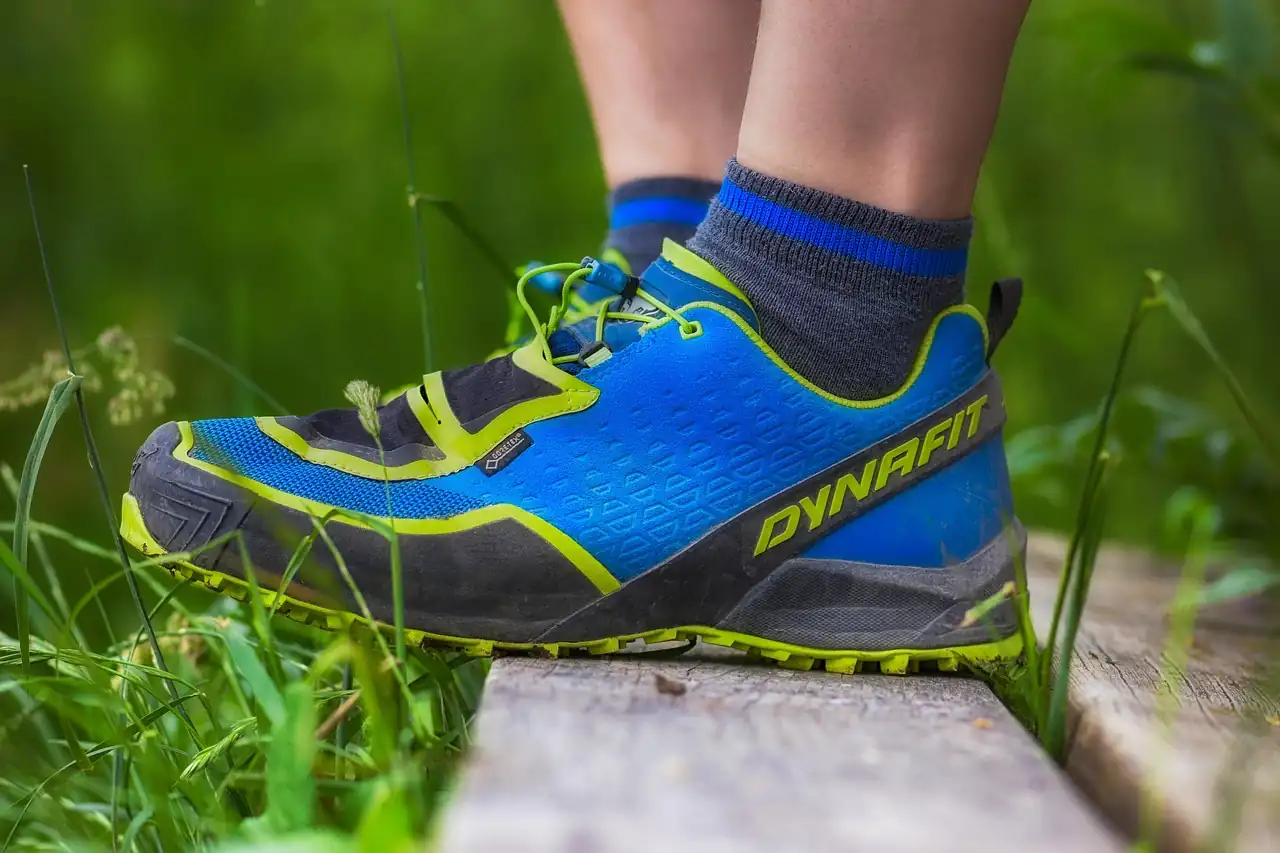
Imagen: Alexas_Fotos / Pixabay
Getting back to running after a break depends on more than motivation or strong legs. Choosing the right footwear can make the difference between a sensible return and a string of niggles in the calves, soleus muscles, plantar fascia or knee. The right shoes provide protection, softness and a more stable base while the body regains the automatic movements that become rusty with inactivity.
Daily trainers with good cushioning are usually the most sensible option for this return: they help absorb impact, take some of the strain off the muscles and allow you to add miles with less stress. They do not perform miracles, but they do reduce the punishment during a phase in which the runner is rebuilding habits, pace and tolerance to exertion.
Getting back on the road calls for more protection than speed
The first few weeks after a break can be deceptive. Motivation pushes you forward, muscle memory preserves certain sensations and, for a few minutes, everything seems to respond. Then reality sets in: technique loses its sharpness, the foot strike becomes less efficient and any shoe that is too firm, demanding or lightweight can amplify the impact. That is where a well-chosen pair stops being a whim and becomes a key part of the comeback.
A shoe designed for logging miles should offer a balanced combination of cushioning, stability and fit. It is not about looking for the softest model on the display or the most responsive one in the store, but the one that supports you without imposing itself. Like a good co-pilot: present, steady and free of surprises. In practice, that usually means generous midsoles, wide bases and smooth heel-to-toe transitions.
Context matters. Someone who stopped for three weeks because of the flu does not return in the same way as someone coming back after an injury or several months without consistency. A 60-kilo runner does not respond like an 85-kilo runner, either, nor does a neutral foot behave like one that tends to overpronate. That is why, at this stage, it is worth being wary of universal solutions and paying more attention to specific sensations and needs than to marketing labels or seasonal trends.
What a comfortable model should offer when getting back into running
Cushioning is the first filter. During a gradual return, you want a midsole capable of filtering the impact with the ground without becoming unstable. Current compounds, such as nitrogen-infused foams or high-volume formulations, have raised the bar considerably. Today there are models that offer more protection and weigh less than they did just a few years ago, making it easier to get back into a routine.
It is also worth looking at platform stability. The higher the sole, the more important it is for the base to be wide and for the whole shoe not to wobble when the runner becomes fatigued. The issue is not only the moment of impact, but the end of the stride, when the leg is no longer coordinating in quite the same way. A shoe that is too tall and lacks support can become a sort of tower with fragile foundations.
Fit deserves as much attention as the foam. An upper that is too rigid can cause irritation as the foot swells; one that is too soft can leave the midfoot without enough support and create a sense of disorder. The most useful option is usually a comfortable last, enough room in the toe box and a secure hold around the heel and instep. The foot should not swim inside the shoe, but it should not feel trapped in a mould, either.
Benchmark models for a safe transition
ASICS Gel-Kayano 31 remains one of the strongest references for those looking for extra support without giving up comfort. Its combination of FlyteFoam Blast Plus Eco foam and PureGEL cushioning makes it a forgiving shoe with every landing, especially if the foot strike tends to become disorganised. The Japanese brand has refined the upper to make it less restrictive and more breathable, while the AsicsGrip outsole improves traction on wet days. Weighing 311 grams in the men’s version and with a 10 mm drop, it is a classic choice for easy runs and a controlled return.
Brooks Ghost Max 2 offers another interesting take: plenty of protection, a broad base and a sense of flow that never becomes clumsy. DNA Loft v3 foam with nitrogen infusion softens the landing, while the GlideRoll Rocker design helps the transition move forward almost as if the shoe were guiding the stride. It is particularly useful for heel strikers or runners who put safety ahead of fast paces. Its goal is not to impress with lightness, but with reliability, and it delivers on that front.
Nike Invincible Run 3 represents the friendly end of responsive cushioning. Its ZoomX foam delivers a highly elastic feel, with more bounce than one would usually expect from a recovery shoe. The widened base improves stability and makes it less temperamental than earlier versions, although the heel is not quite as comfortable as those of other brands. At 295 grams in the men’s version and with a 9 mm drop, it is worth considering if you want to return to running with a very smooth foot strike without losing some spark.
New Balance Fresh Foam X More v5 takes the opposite approach to understated design: lots of volume, lots of foam and a level of comfort that catches the eye. The raised platform, curved profile and Fresh Foam X foam create a highly protected running experience, almost cushioned from start to finish. Despite its size, it does not feel out of control, partly thanks to the careful work on the base and upper. For those who want to add miles without thinking too much about their feet, it is one of the most generous options on the market.
Mizuno Wave Sky 8 provides softer cushioning than its serious appearance would suggest. The new blend of Mizuno Enerzy NXT and Enerzy keeps protection high, but with a slightly smoother feel than previous generations. The result is a shoe for long days, recovery runs or runners who prefer a quiet, controlled foot strike. The X10 rubber on the outsole adds an important layer of durability, a detail worth keeping in mind when the shoes will be used frequently.
Adidas Ultraboost 5X retains some of the reputation that made the range great, but now with a more refined approach to running. The new Light Boost v2 foam and the redesigned upper aim for softness without excessive weight, while the torsion system improves the transition. It is neither the lightest nor the most aggressive, but it is one of those shoes that inspires confidence on long runs and at moderate paces. The Continental outsole helps with wear resistance and grip, two factors that provide reassurance when activity resumes.
On Cloudsurfer Next joins the conversation with its balance between softness and dynamism. The Swiss brand has opted for CloudTec Phase geometry and Helion foam to create a smoother foot strike, with a pronounced rolling sensation forward. It can work well for a wide range of runners, precisely because it is not extreme in any direction. Weighing 273 grams in the men’s version and with a 6 mm drop, it occupies a modern, nimble and fairly versatile space.
When stability matters more than lightness
During a cautious return, some runners need more than cushioning. Stability comes to the fore when the foot collapses inward, when the ankle feels sluggish or when technique falls apart after the 30-minute mark. In those cases, a shoe with moderate guidance can prevent overload and make each landing feel cleaner.
New Balance Fresh Foam X 860 v14 works well in that territory. Fresh Foam X provides softness, while the midsole structure and its focus on foot-strike control make it a dependable partner for runners looking for extra support. It is also available in several widths, which is useful for larger-volume feet or for anyone who notices that their toes need more room once they start spending more time on their feet. At 306 grams in the men’s version, it is not especially light, but it is robust.
Brooks Glycerin GTS 20 combines the comfort of a highly cushioned shoe with GuideRails support, a system designed to bring more order to movement without imposing aggressive correction. It is an interesting solution for anyone who feels they need some help along the ankle-knee-hip line but does not want a rigid shoe. The softness of DNA Loft v3 and the padded feel of the upper complete a package that is very well suited to road runs and workouts while returning to a routine.
Saucony Tempus deserves attention for a different reason: it offers support with a lively feel and a response that is unusual in this category. The combination of PWRRUN PB and the PWRRUN Frame provides an interesting balance between agility and containment. It is lighter than a traditional stability shoe tends to be, which makes it appealing to runners who do not want to feel held back. At 252 grams in the men’s version, it behaves like a training shoe that does not give up its dynamism.
ASICS Gel-Kayano 31 also remains a very safe choice in this area. Its long-standing tradition in the stability category is no coincidence: the brand has learned how to refine support without making it heavy or cumbersome. That evolution, together with the model’s overall comfort, explains why it continues to appear in conversations about cautiously returning to running. It is a shoe that does not force you to think about it, and for many runners, that is exactly what they want.
Size, last and fit matter more than they seem
Choosing the right size can prevent more problems than an improperly chosen next-generation foam. During return sessions, the foot tends to swell sooner, especially if the runner loses efficiency or the temperature rises. Leaving a little extra room in the toe box helps prevent black toenails, chafing and unnecessary pressure on the toes, particularly on outings that turn out to be a little longer than expected.
The last plays a decisive role. Runners with wide feet usually appreciate models available in wide or extra-wide versions, as is the case with some New Balance and Brooks shoes. Anyone with a high instep needs an upper that does not squeeze too much, while heel strikers look for a collar that holds without biting into the Achilles tendon. These are small details, but when getting back into running they have a huge impact on real comfort.
The upper should not be taken lightly, either. Very thin mesh improves ventilation, which is useful when the aim is to return without overloading the body. More elaborate structures provide support, but if they are excessive they can become uncomfortable on feet that have not yet adapted. At this stage, the balance between freshness and support is usually worth more than the appearance or novelty of the material.
How much should a shoe for getting started again weigh?
Weight is not a secondary detail, although it should not become an obsession, either. In shoes for returning to running, a moderate figure generally works better than extreme lightness, because the runner is looking for protection and consistency, not to shave off seconds. Models weighing between 250 and 310 grams in the men’s version generally offer a reasonable balance between comfort and manageability.
A shoe that is too light may feel pleasant during the first few minutes, but it often gives up something in stability or durability. By contrast, accepting a little extra weight in exchange for more protective foam and a firmer platform can be a smarter investment at a stage when the priority is not running fast. It is worth remembering that, as the body readapts, excessive demands tend to take their toll elsewhere.
Geometry also matters. Some brands have introduced profiles with more pronounced rockers to make the transition easier. That can be an advantage if the muscles are still tight, because it reduces the feeling of having to push too hard with every stride. But if the shoe becomes too guiding, it may not appeal to runners who prefer a more natural foot strike. Once again, balance is what matters.
Which type of runner tends to suit each kind of model?
Runners returning after a long break usually benefit from cushioned and stable shoes, with a forgiving feel and predictable geometry. This group includes models such as the Gel-Kayano 31, Glycerin GTS 20, Fresh Foam X 860 v14 and Wave Horizon, all of which convey a sense of control. They are useful when the goal is to return without surprises and rebuild an aerobic base without accumulating too much strain.
Those who want to add comfortable miles but do not feel fragile can look towards the Ghost Max 2, More v5, Wave Sky 8 or Ultraboost 5X. These shoes combine protection with a slightly freer foot strike, which can work well if the runner has retained a minimum level of consistency and has only experienced a short interruption. They tend to be very useful models for easy runs, readaptation sessions and days when the only goal is to add miles without creating tension.
More dynamic runners who do not want to give up lively sensations but still want a certain level of protection will find interesting options in the Invincible Run 3, Cloudsurfer Next and Tempus. These models are not designed for aggressive racing, but they do offer a more agile transition and cushioning that does not fade when the pace picks up a little. They are a stepping stone towards faster models, not a rejection of comfort.
At the same time, runners who have already returned to a relatively stable routine can start paying less attention to maximum protection and more to versatility. This is where options such as the Pegasus, Ride 19 and Velocity Nitro 4 come in, serving both for training and for alternating paces. They are not the most extreme, but they are among the easiest to live with day after day, which is precisely why they fit so well when getting back into running stops being an event and becomes a routine again.
Signs that your footwear is not helping
There are clear warnings that should not be ignored. If pain appears along the inside of the shin, discomfort in the sole of the foot, persistent tightness in the Achilles or a feeling of instability when landing on the heel, the model may be asking too much of the runner. Sometimes the problem is not the shoe itself, but its mismatch with the user’s current physical condition.
A well-planned return to running usually leaves you with fatigue, not strange pain. If the footwear forces you to compensate, it can amplify a chain of tensions that is not yet ready to respond. In that sense, a model with more cushioning and a wide base is not a concession to soft comfort; it is often a way of respecting the time the body needs to find its place again.
The runner’s own feeling of weariness also deserves attention. The right shoe for returning to running does not just protect against impact; it also reduces the mental load. Fewer doubts with every landing, less tension when touching down, less attention focused on the foot. That sense of calm has value, because returning to running is measured not only in miles, but in how the body responds after each outing.
Choosing the first pair well speeds up a return that should be patient
The best shoe for returning to running is not the most expensive or the most technical, but the one that matches the exact point each runner is at. Sometimes it will be a maximalist shoe with plenty of foam; at other times, a stable, traditionally shaped option; occasionally, a versatile shoe that can serve throughout an entire winter of readaptation. The key is not to expect the first outing to deliver what would be reasonable to expect in the tenth week.
The current market offers one clear advantage: there is more protection, a greater variety of lasts and more stability solutions than there were a few years ago. That makes it possible to fine-tune the choice and reduce the margin for error. But the good news is not only technological. It is methodological, too: today we understand better that getting back to running is not a race against the clock, but a rebuilding of habits, sensations and tolerance to impact.
Choosing the first pair calmly is, ultimately, a way of taking care of the return. Because in running, the winner is not always the person who gets back out there first, but the one who manages to return consistently. And for that, the right shoes work as a discreet, quiet, almost invisible foundation. Exactly what the legs appreciate most when they begin to remember how to run again.
Este artículo contiene enlaces de afiliado: si compras a través de ellos, se genera una pequeña comisión sin coste adicional para ti. Más información.



How to prevent thigh chafing: causes and real solutions

Women’s running windbreakers: seven jackets and how to choose

Do more workouts get rid of soreness? A guide for runners

Jaén Half Marathon 2026: Record 3,800 Runners Registered

Men’s short running tights: how to choose the right pair

World Triathlon confirms data breach involving medical data

Izan Edo targets podium at Miyazaki World Cup

María Pérez ranks ninth in World Athletics’ 2026 top ten

Dos Santos, Duplantis and Sawe: World Athlete of the Year finalists

San Silvestre Vallecana 2026: 42,000 places, prices and start times

 Races3 months ago
Valencia Half Marathon 2027: date and registration

 Races3 months ago
Valencia Marathon 2026: entry, ballot and course

 Reviews and Comparisons4 months ago
Asics Gel-Roadmiles 3 for men: review and current price

 Reviews and Comparisons4 months ago
Asics Gel Sonoma 8 Gore-Tex: complete analysis for trail and rain

 Sneakers3 months ago
Saucony Endorphin Pro 4: full review and verdict

 News5 months ago
Strava API 2026: what changes for clubs, challenges and runner apps?

 Reviews and Comparisons5 months ago
Nike Alphafly 3: opinions, sensations, and real key points

 Reviews and Comparisons4 months ago
Under Armour running shoes review 2025-2026: models and key features

 Sports Equipment4 months ago
Shoe sizes in cm: a clear guide to getting the right fit for your footwear

 Sneakers3 months ago
Skechers GO RUN Consistent 2.0 analysis: comfort and limits

 News5 months ago
Valencia Marathon 2026 route: key tips to train and run better

 Sneakers4 months ago
Adidas Adizero Boston 13 for men: review and verdict