Sneakers
Running shoes for heavier runners in summer: support and freshness now
Fresh, stable, and durable models for running in the heat without punishing your joints or sacrificing comfort.

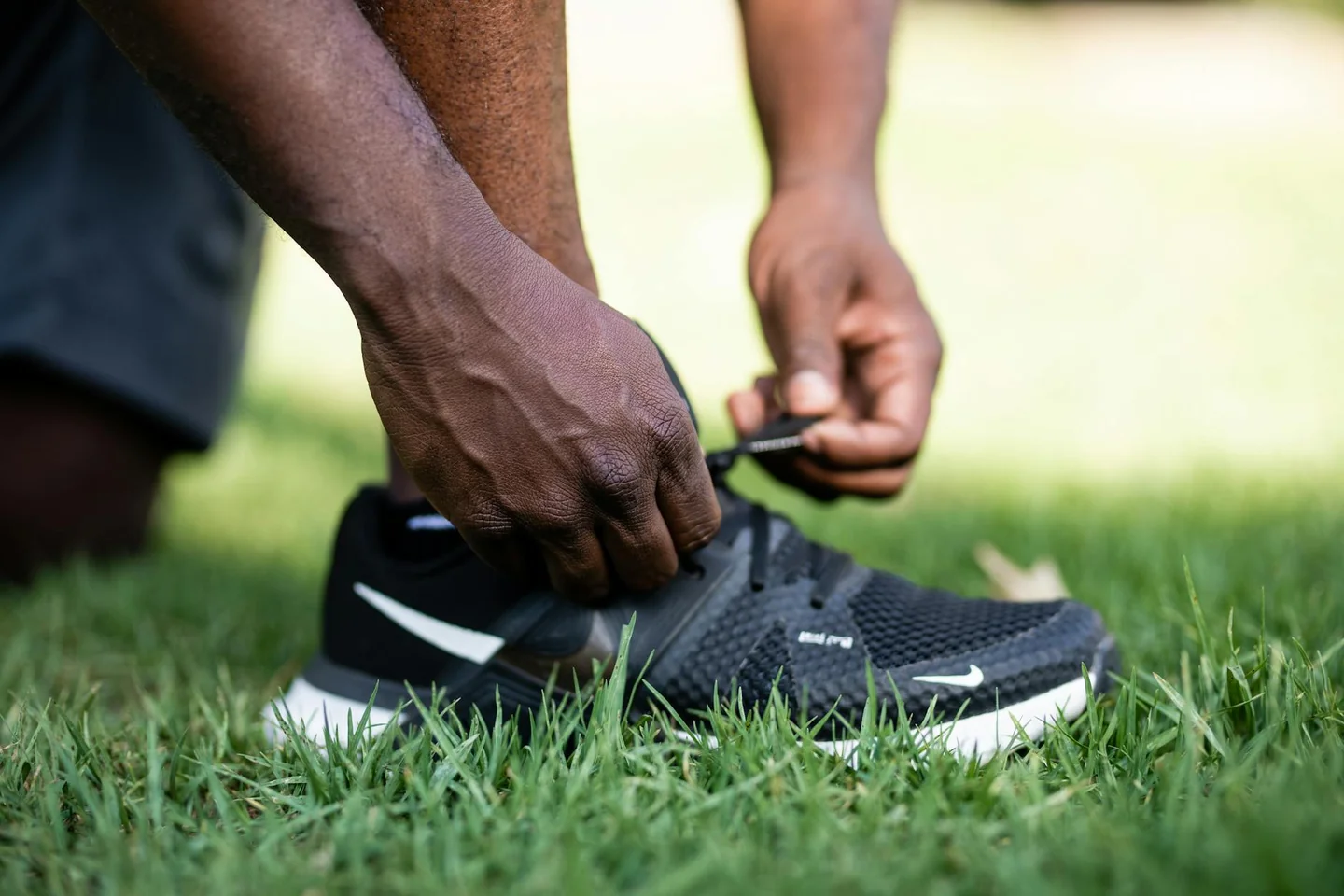
Imagen: Ketut Subiyanto / Pexels
Heat completely changes the rules of the game: a shoe designed to protect a heavy-built runner in summer must not only cushion well, it also has to let air escape, withstand wear and tear, and not turn every outing into a sauna for the feet. At this time of year, too much foam, padding, or rubber can work against you if the last is tight and the upper holds onto moisture.
That’s why, when the thermometer climbs, the choice doesn’t come down to simply looking for maximum softness. In heavier runners, the priority is still a stable base, a midsole that doesn’t sink too much, and reasonable ventilation, because the impact remains high even if the session is short. The ideal result is a balance that’s less flashy than a super shoe, but much more reliable when the asphalt is burning and the miles start adding up.
What really changes when weight and heat come into play
With high temperatures, the foot swells, sweats more, and needs more usable space inside the shoe. That makes very closed models, with a dense upper or heavy tongue, become uncomfortable sooner than expected. In a heavier runner, that discomfort is no small detail: if the fit fails, the foot starts moving inside the last and chafing, pressure points, and a feeling of fatigue appear that multiply by the end of the run.
The perception of cushioning also changes. In summer, a foam that’s too soft may feel pleasant for the first few minutes, but lose consistency once the body is already hot and technique starts to break down. The best options combine a friendly feel with a firm structure, so the foot doesn’t sink in like wet sand. That solidity, which is sometimes mistaken for hardness, is precisely what protects knees, ankles, and hips best.
There’s another nuance that often goes unnoticed: durability. Heat and sweat speed up the degradation of some materials, especially if use is frequent. In higher-weight profiles, the midsole and outsole take more punishment simply because of mechanics; that’s why it’s worth looking beyond immediate comfort and paying attention to foam resilience, the amount and quality of rubber, and the overall build quality.
The models that fit best in summer
On today’s shelves, several names stand out for their ability to blend protection, stability, and a certain degree of freshness. On Cloudsurfer Max has become a reference for those looking for a very cushioned stride without feeling mushy, with a sensation that works well on long runs and an upper that’s friendlier than what’s usually found in maximalist models. Its firm feel and relatively smooth transition make it interesting when the body starts to feel the heat and it’s not wise to rely on an overly soft foam.
Close behind comes Brooks Glycerin Max, a generously protective shoe that stands out for its impact absorption and for a comfortable, adaptable, and sufficiently ventilated upper for summer in dry climates or on late-afternoon runs. It’s a solid option for those who prioritize a soft landing and a very noble platform underfoot. Its downside doesn’t change with the season: the price. But in return it offers a sense of continuity that, in heavier runners, is appreciated even more when the legs are already tired.
For those who need a particularly convincing mix of durability and support, the New Balance Fresh Foam X 860v14 remains a classic bet. It’s not the most explosive or the lightest, but it is one of the most robust. In summer, that combination of structure and fit available in several widths can make a difference, especially for feet that expand with the heat or for runners who value a contained stride that’s easy to control.
The Adidas Adistar 4 joins the group of training shoes that protect without complications. Its firm midsole, the amount of foam, and the fairly consistent fit offer a stable feel for stacking up miles with fewer surprises. It’s not the freshest shoe on the market, but its upper mesh and predictable behavior make it a logical choice for those who run regularly and want something more serious than a lightweight model with a vaporous feel.
Stability, freshness, and support: the combination that makes the most sense
The Asics Gel-Kayano 32 fits a very specific profile: runners who want real security, especially if their stride tends to pronate or if fatigue throws off alignment on long outings. In summer, its value lies in keeping the foot well held without creating an overly enclosed feeling. The shoe’s geometry and the outsole with good grip help you run confidently on hot asphalt, wet patches, or park sections with dust and gravel.
Another candidate with a lot of personality is the Hoka Bondi 9, probably one of the best-known references in maximum cushioning. For heavier runners, its wide base and overall comfort work very well at easy paces, active walks, and recovery runs. In July or August, it’s worth noting that it’s not the most ventilated in the group, but it is one of the most protective when the goal is to reduce mechanical punishment without giving up a very relaxed stride.
The Mizuno Wave Sky 9 sits in a very interesting position for summer because it combines a soft feel with a touch of stability that prevents excessive sinking. In addition, its updated upper is usually more pleasant on long sessions, where the foot appreciates fewer seams, more ventilation, and less friction. It doesn’t try to impress with responsiveness; it prefers to be a steady companion, like a side road that doesn’t tire your eyes.
On the more affordable side of this group appears the Skechers Go Run Supersonic Max, one of the most sensible options for anyone who wants protection without breaking the bank. On hot days, its proposal remains interesting because it offers generous cushioning and a structure that’s stable enough for daily training. It’s not the most premium or the most refined, but it does a very good job balancing cost and usefulness, which in running is often more decisive than it seems.
Which models hold up best on long runs in hot weather
When the run gets longer and humidity rises, the shoe stops being just a matter of feel and becomes a matter of mechanical survival. Adistar 4, Wave Sky 9, and Glycerin Max move in that zone of confidence where the goal isn’t to run faster, but to finish better. They’re models designed to add miles with less violence on each landing and with a fairly even transition.
If the workout falls in mid-morning or late afternoon, when there’s still heat stored in the asphalt, ventilation becomes practically important. You don’t need an ultra-thin upper, which in heavier profiles usually compromises support, but you do need a mesh that wicks sweat well and avoids that damp-sock feeling that ends up causing rubbing. Summer rewards heat management more than extreme lightness.
That’s also why some overly soft models are ruled out. In a heavier runner, a very spongy foam may seem appealing in the store and become unstable as soon as temperature, fatigue, and sweat enter the equation. The most balanced shoes are the ones that keep their shape, hold the heel, protect the midfoot, and don’t force the body to keep correcting itself all the time.
The shoes that work best for starting out or coming back after a break
Summer often brings restarts: people getting back into running, runners changing routines, or athletes going out less because of the heat and preferring short sessions. In that context, Nike Structure 26 is one of the most sensible options for those who need support and a clear sense of control from the very first use. Its firm behavior, combined with a structure that hugs the foot well, gives confidence to runners who are still adjusting technique or pace.
It’s also useful to look at models with a wide fit or wide versions, because the foot changes with heat in much the same way muscle fatigue changes over the minutes. A shoe that seemed fine in January can feel too tight in August. That’s where New Balance often has an advantage thanks to its availability in different widths, and Hoka also offers more generous versions in some of its more protective models.
For those returning after weeks of low activity, the most common mistake is confusing comfort with extreme softness. A heavier runner needs a stable platform before an uncontrollable cloud. That idea holds true all year, but in summer it becomes even more important because heat fatigue makes technique fall apart more easily. A stable chassis usually forgives much more than a very forgiving, poorly contained midsole.
What really matters when buying at this time of year
Breathability deserves attention, but not on its own. A very open upper can be a blessing in August and a trap if it loses structure or rubs too much. That’s why it’s worth looking for a ventilated mesh, yes, but with well-placed reinforcements. In heavier runners, the foot shouldn’t swim inside the shoe or be crushed by a fabric that’s rigid and hot at the same time.
The outsole matters more in summer than it seems too. Hot asphalt speeds up wear and punishes softer compounds, especially when running a lot in the city. A durable rubber in the heel and midfoot helps the shoe maintain stable behavior for longer. In the long run, that matters just as much as the comfort feel it has on day one.
And then there’s the fit issue. Leaving a little room in the toe box isn’t an aesthetic recommendation, it’s a functional one. The foot expands with heat and during effort, so a size that fits to the millimeter in the morning can become a trap by the afternoon. Heel held securely, forefoot with a bit of space, and midfoot without unnecessary pressure: that trio is worth far more than any fashion detail.
The selection that best balances protection and ventilation
If you want a quick read of the market, the pattern is pretty clear. On Cloudsurfer Max and Brooks Glycerin Max stand out for cushioned comfort; Kayano 32 and Structure 26 for stability; 860v14 and Adistar 4 for daily reliability; Wave Sky 9 and Bondi 9 for long-distance comfort; Skechers Go Run Supersonic Max for its contained price; and Altra Olympus 6, even though it’s more of a trail shoe, for its forefoot space and protection on uneven terrain.
This last one deserves a nuance. In the mountains or on technical trails, summer adds dust, loose stones, and built-up heat. The Altra Olympus 6 handles that environment well thanks to its large base, wide toe box, and Vibram grip. It’s not a shoe meant for pure asphalt or for chasing pace, but it is for those who combine higher weight, trails, and the need for a lot of stability. Its zero drop isn’t for everyone, though for runners who are used to it, it works like a very grounded platform.
Beyond the specific model, summer puts the coherence of the whole package to the test. A shoe can be very good in spring and mediocre in August if the upper suffocates, the foam loses consistency, or the last doesn’t allow the foot’s natural expansion. That’s why the best options aren’t the flashiest ones, but the ones that handle the combination of heat, sweat, repeated impact, and miles with a kind of effective discretion.
A choice decided in the details, not in the display window
The heavier runner doesn’t need to chase the lightest or softest shoe of the moment. They need footwear that can handle their load, breathe enough, and keep its shape when the workout gets longer. In summer, that demand becomes more visible because the body works with less margin and the foot suffers more from heat, swelling, and humidity. What really works is almost always less spectacular than the marketing, but more useful on the road.
The good news is that the 2026 market already offers mature options for every profile: from those who want to run comfortably without complications to those who need serious support because of their stride or weight, including those looking for a shoe capable of accompanying long runs on especially hot days. Choosing well isn’t about getting the brand right, but about matching cushioning, stability, fit, and ventilation with the actual use it’s going to get.
At that crossroads of needs, the summer shoes for heavier runners that come out on top are the ones that keep a cool head when the temperature rises. No extra foam and no lack of structure. Just a safer stride, less punishment on the foot, and that strange but valuable feeling that the heat hasn’t won the battle before you reach kilometer five.
Este artículo contiene enlaces de afiliado: si compras a través de ellos, se genera una pequeña comisión sin coste adicional para ti. Más información.



How to prevent thigh chafing: causes and real solutions

Women’s running windbreakers: seven jackets and how to choose

Do more workouts get rid of soreness? A guide for runners

Jaén Half Marathon 2026: Record 3,800 Runners Registered

Men’s short running tights: how to choose the right pair

World Triathlon confirms data breach involving medical data

Izan Edo targets podium at Miyazaki World Cup

María Pérez ranks ninth in World Athletics’ 2026 top ten

Dos Santos, Duplantis and Sawe: World Athlete of the Year finalists

San Silvestre Vallecana 2026: 42,000 places, prices and start times

 Races3 months ago
Valencia Half Marathon 2027: date and registration

 Races3 months ago
Valencia Marathon 2026: entry, ballot and course

 Reviews and Comparisons4 months ago
Asics Gel-Roadmiles 3 for men: review and current price

 Reviews and Comparisons4 months ago
Asics Gel Sonoma 8 Gore-Tex: complete analysis for trail and rain

 Sneakers3 months ago
Saucony Endorphin Pro 4: full review and verdict

 News5 months ago
Strava API 2026: what changes for clubs, challenges and runner apps?

 Reviews and Comparisons5 months ago
Nike Alphafly 3: opinions, sensations, and real key points

 Reviews and Comparisons4 months ago
Under Armour running shoes review 2025-2026: models and key features

 Sports Equipment4 months ago
Shoe sizes in cm: a clear guide to getting the right fit for your footwear

 Sneakers3 months ago
Skechers GO RUN Consistent 2.0 analysis: comfort and limits

 News5 months ago
Valencia Marathon 2026 route: key tips to train and run better

 Sneakers4 months ago
Adidas Adizero Boston 13 for men: review and verdict