Sneakers
Nylon-plated running shoes: a hybrid option for training and running
What do they bring, where do they fit in, and why have they become a very interesting option for training and competing.

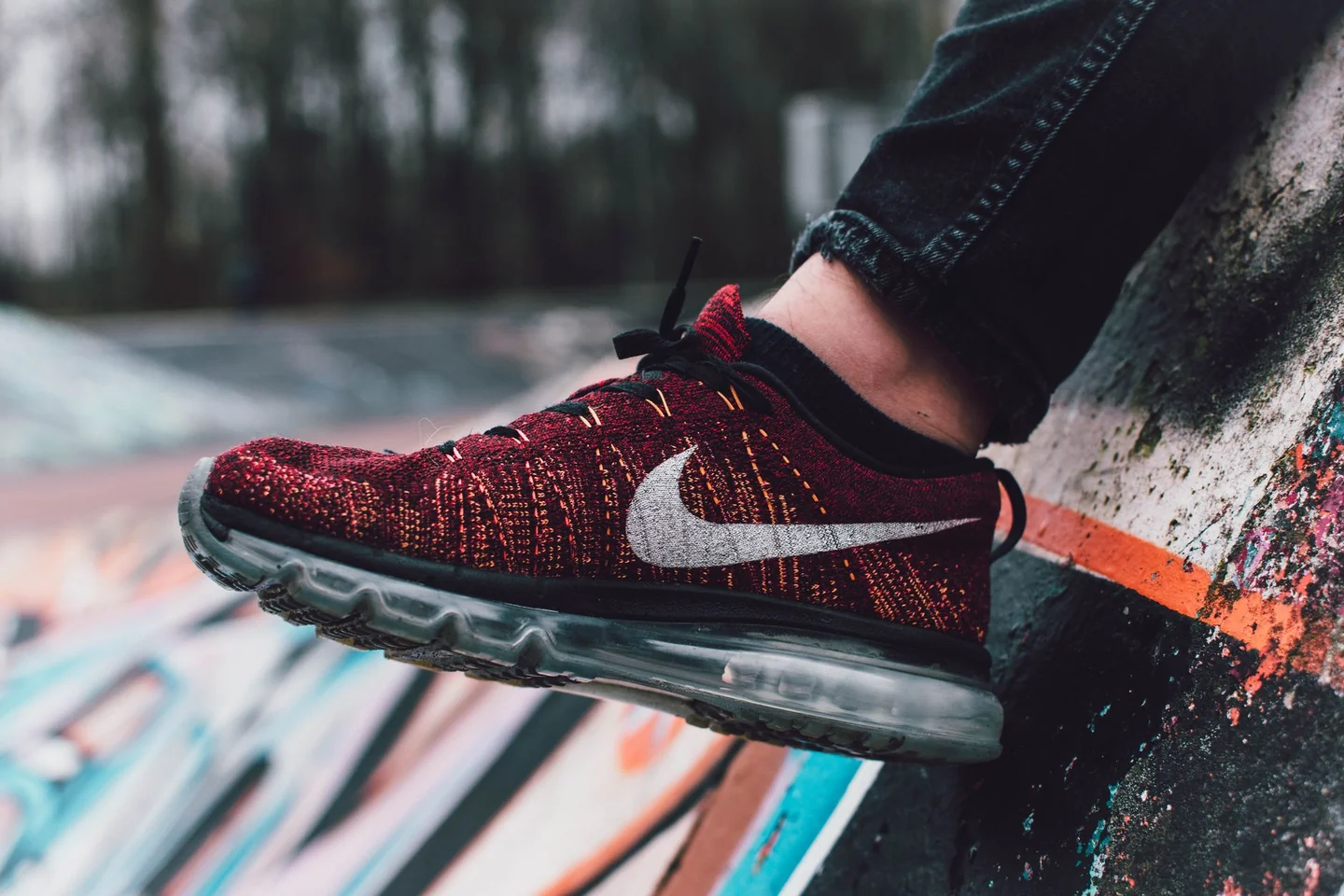
Imagen: Shane Aldendorff / Pexels
Nylon-plated running shoes have carved out their own space in the running showcase because they offer an unusual mix: a sense of propulsion, a lively transition, and a response that is less demanding than carbon fiber. They are not trying to dazzle with the extreme stiffness of the most aggressive model, but rather to settle into an in-between ground where many runners find more practical sense.
Their rise is no coincidence. As brands have refined softer foams and powerful rebound, the nylon plate has emerged as a solution capable of providing structure without turning every stride into an exercise in millimetric precision. The result is footwear that can serve for racing, for fast workouts and, in some cases, for adding miles with a friendlier feel than pure racing flats.
A flexible plate that changes the way you run
The nylon plate does not work like a rigid board but rather like a relatively flexible sheet that accompanies the footstrike and helps guide the transition from landing to takeoff. That difference, which seems subtle, changes the experience a lot. Instead of imposing a very marked mechanics, it leaves more room for the runner and softens the movement when the shoe is under load.
That is why people talk about a more natural feeling compared with other racing options. Nylon provides structural stability, but also a certain elasticity, something especially useful at fast paces where the shoe has to respond without punishing the muscles so much or demanding perfect technique. It is not a miracle shortcut; it is a technical resource that suits very different runner profiles better.
In practice, this type of construction is usually combined with generous midsoles, rocking geometries and next-generation foams. That creates a smoother rolling effect, as if the foot found a small exit lane with every stride. The plate does not make the shoe run by itself, but it does organize the energy the runner is already applying better.
Why so many brands have bet on this material
Nylon has become a very useful solution for one simple reason: it balances performance and accessibility. Carbon fiber is usually reserved for more radical, expensive and demanding models, while TPU rods or plates or softer plastic compositions serve other purposes. Nylon sits between both worlds and makes it possible to build shoes that retain part of the edge of a racing shoe without becoming so harsh or so difficult to wear.
There is also an economic and design factor. This material allows brands to launch more versatile models, with less extreme sensations and prices that, although still high in many cases, are usually below the most advanced top-tier shoes. For the everyday runner, that opens an interesting door: access to propulsion technology without fully entering the most radical territory.
In addition, the industry has understood that not all runners want the same thing. Some want a shoe for the half marathon, others use it for long intervals, others reserve it for road races and others simply want a lively daily trainer for quality days. The nylon plate fits precisely into that hybrid gap, where the key word is not radicality, but balance.
Real differences versus carbon, Pebax and TPU
The most common comparison is the one between nylon and carbon. Carbon fiber is usually stiffer, drier underfoot and more explosive for runners who already have good mechanics and sustained high pace. Nylon, on the other hand, offers a more progressive curve, with less aggressiveness at toe-off and a less severe feel on repeated footstrikes. It does not push the same, but it does not demand as much either.
Pebax, for its part, often appears not as a plate, but as a midsole material. It is a light and responsive foam that brands use to gain rebound and cushioning with little weight. When a shoe combines a nylon plate with Pebax-type foam or equivalent compounds, the behavior can become very interesting: the foam returns energy and the plate helps channel it in an orderly way. The combination is usually friendlier than a pure carbon plate.
TPU is often associated with more flexible structures or support components, depending on the design. In some models it helps provide durability or some elastic response, but it rarely generates by itself the same lever-like sensation sought in a nylon plate designed for speed. In terms of feel, nylon usually sits in a middle zone: livelier than a traditional shoe, less radical than a racing missile.
Which runner usually gets the most out of them
Nylon-plated shoes shine especially for runners looking for speed without losing control. They usually work well for profiles that already feel comfortable running at lively paces, but do not want a shoe so aggressive that it conditions the whole session. That balance point is one of their biggest attractions.
They also fit everyday runners who are approaching plates for the first time and prefer a less abrupt learning curve. Not all propulsion sensations have to come with an ultra-demanding shoe. For many people, nylon offers precisely that gradual entry into the world of racing technologies, with less risk of feeling out of place from the first kilometer.
Heavier runners or those with technique that is still not fully refined usually appreciate that extra tolerance. A very stiff carbon plate can feel like a board that forces you to be in the exact right place all the time; nylon, by contrast, tolerates a slightly more natural movement. It does not eliminate running flaws, but it punishes them less.
At what distances it makes the most sense
Its most logical habitat is usually between the 10K and the half marathon, although there are models that also perform in the marathon if the runner is looking for comfort and a less extreme behavior. In shorter distances, lightness and immediate response matter a lot; in middle distances, smooth transition and reduced fatigue become even more important.
For very explosive 5Ks, a carbon plate can give an extra edge to very fast runners, but it does not always pay off for the everyday runner. A nylon plate, on the other hand, allows you to keep dynamism without the shoe becoming so inflexible. That difference is especially noticeable when the race gets longer and technique starts to lose freshness.
In the marathon, the choice depends more on the runner’s sensations than on any fixed rule. Some prefer maximum propulsion and others appreciate a friendlier transition so they do not reach the final stretch with dead legs. In that scenario, nylon gains ground through common sense, not through spectacle.
How they feel on easy runs and quality workouts
Their value is not limited to race day. Many nylon-plated shoes are also used in quality sessions, such as pace changes, tempo runs, long intervals or progression runs. The key is that they allow you to work at high paces with a more stable and less hostile feeling than a radical racing model.
This makes them a useful tool for runners who do not want to reserve their most responsive footwear exclusively for a bib number. In workouts where it is important to maintain technique and add pace without punishing yourself too much, a nylon plate can provide that spark missing from a classic training shoe. It neither turns a session into a party nor makes it excessively harsh.
They can also work on easy runs, but that is not always where they express their virtues best. Some very high or very rockered geometries can feel strange at relaxed paces, almost as if the shoe were waiting for another gear. Their natural habitat remains lively pace, where the foam and the plate work more in harmony.
Advantages that really matter to the everyday runner
The first advantage is the accessibility of the sensation. Not everyone is looking for the punch of a stiff plate. Many runners want to feel a clear improvement without having to fight with an overly nervous shoe. Nylon gives part of that benefit with a lower technical price and a friendlier experience.
The second is versatility. Some nylon-plated shoes can go from a controlled-pace run to a tempo session without feeling out of place. That gives them a longer functional life inside the runner’s rotation, because they are not relegated to a single almost ceremonial use. They are less theatrical and more practical.
The third advantage has to do with confidence. Some runners, with a very stiff carbon plate, feel that the shoe forces them to run in a very specific way. Nylon reduces that feeling of mental and physical rigidity. And in running, where perceived comfort weighs as much as the lab data, that matters.
The limits also matter
It is not all virtues. A nylon plate usually offers less explosive return than the most advanced carbon fiber, especially in the hands of very efficient and fast runners. Those looking for the last bit of response may notice that it falls a step behind the most radical high-end models.
In addition, some shoes with this type of plate keep high profiles or less stable bases than they appear to. That means that, although the overall feel is more forgiving, they are not always the best for someone who needs a lot of lateral security or a very firm sensation at landing. The combination of foam, geometry and chassis matters just as much as the plate itself.
It is also worth remembering that durability depends on the whole, not on the plate alone. The foam may lose liveliness before the internal sheet, and real wear often comes from midsole material fatigue. The plate does not break easily, but the shoe can lose character sooner than expected.
What is being seen in the current market
Brands have understood that today’s runner wants intermediate options. It is no longer all about a single hyper-aggressive racing shoe. Fast training models, evolved all-rounders and less extreme racing flats that use nylon to offer an extra dose of dynamism without giving up comfort altogether have multiplied.
That shift has broadened the market. Before, the jump between a training shoe and a racing shoe could be brutal; now there is a much more useful middle step. The runner can choose between very radical profiles, more rational racing options or models designed for fast training with more room for error. The nylon plate has helped build that bridge.
In that context, models from several brands have popularized the idea that you do not need carbon to feel a competitive response. Sometimes a good foam, a flexible plate and a well-solved geometry are enough. That nuance has changed the conversation in stores, clubs and road races: it is no longer just about speed, but about sustainable speed.
How to tell a sensible purchase from an impulsive one
The best choice starts with real use, not with the flashiest label. If the goal is to race occasionally in a 10K or half marathon, a nylon-plated shoe may make more sense than a pure carbon model. If, on top of that, you want an option for fast workouts, the fit is usually even better.
Running form also matters. A runner who lands with a lot of stability and keeps a lively stride usually gets more out of it than someone who simply wants soft cushioning. Not because of ability, but because of compatibility between the shoe and the runner’s natural mechanics. Technology adds value when it fits, not when it imposes itself.
Finally, it is worth looking at the whole package: weight, foam, midsole height, base width and overall feel. A nylon plate does not make up for poor geometry, just as good geometry can make the plate take a back seat. The real value lies in the balance between parts, like in a watch where every gear matters more than the shine of the case.
The signs that reveal a good nylon-plated shoe
A good shoe of this type does not need to shout to convince you. It usually feels smooth from the first landing, with a clean transition and no harsh impacts underfoot. The foam assists, the plate organizes, and the whole returns a sense of forward motion more than uncontrolled bounce.
Another clue is that it works well both at race pace and in demanding sessions. If it only shines in a very narrow speed band, the proposal may be too specific. On the other hand, when the model keeps its spark without becoming uncomfortable, that is where the real value of nylon as a transition material appears.
Stability speaks for itself too. The shoe does not need to be a block, but it should keep the footstrike centered, especially when the runner is tired and the movement gets a little messy. The best nylon plate is the one that helps without making itself too noticeable.
The place they occupy in a runner’s rotation
For many runners, these shoes are the logical entry point into the world of plates. They do not have the drama of a pure racing shoe or the simplicity of a classic trainer. They sit exactly where much of popular running lives today: between the search for improvement and the need to keep running normally the next day.
That middle space explains their success. They make it possible to reserve the more aggressive carbon for very specific goals and, at the same time, do not force you to give up dynamism in the rest of your training. In a calendar with races, intervals and easy runs, that makes more sense than accumulating extreme shoes that only come out of the box once or twice a year.
The market’s evolution points to exactly that: less fetishism for a single material and more attention to the overall feel. Nylon-plated shoes are not the loudest extreme in running, but they are one of the most sensible answers to the question of how to run fast without always paying the price of stiffness.
The future of plates lies in balance
Everything suggests that nylon will continue to occupy an important space because it responds to a real need: combining performance, tolerance and versatility. The race to make the most radical shoe exists, but the average runner is looking for something much more down to earth: a tool that works well, does not punish too much and does not force you to change your technique to notice it.
In that sense, the nylon plate has stopped being a secondary solution and has become a category with its own identity. It is no longer seen only as the gateway to carbon, but as a coherent choice for a specific type of runner and use. Its virtue is not in resembling the stiffest plate, but in offering a more logical alternative.
That is why its presence in the market does not seem temporary. As long as there are runners who want to race without feeling trapped inside a shoe that is too severe, this material will make sense. And in a sport where sensations rule, that combination of relief and drive is worth more than any technical slogan.



How to prevent thigh chafing: causes and real solutions

Women’s running windbreakers: seven jackets and how to choose

Do more workouts get rid of soreness? A guide for runners

Jaén Half Marathon 2026: Record 3,800 Runners Registered

Men’s short running tights: how to choose the right pair

World Triathlon confirms data breach involving medical data

Izan Edo targets podium at Miyazaki World Cup

María Pérez ranks ninth in World Athletics’ 2026 top ten

Dos Santos, Duplantis and Sawe: World Athlete of the Year finalists

San Silvestre Vallecana 2026: 42,000 places, prices and start times

 Races3 months ago
Valencia Half Marathon 2027: date and registration

 Races3 months ago
Valencia Marathon 2026: entry, ballot and course

 Reviews and Comparisons4 months ago
Asics Gel-Roadmiles 3 for men: review and current price

 Reviews and Comparisons4 months ago
Asics Gel Sonoma 8 Gore-Tex: complete analysis for trail and rain

 Sneakers3 months ago
Saucony Endorphin Pro 4: full review and verdict

 News5 months ago
Strava API 2026: what changes for clubs, challenges and runner apps?

 Reviews and Comparisons5 months ago
Nike Alphafly 3: opinions, sensations, and real key points

 Reviews and Comparisons4 months ago
Under Armour running shoes review 2025-2026: models and key features

 Sports Equipment4 months ago
Shoe sizes in cm: a clear guide to getting the right fit for your footwear

 Sneakers3 months ago
Skechers GO RUN Consistent 2.0 analysis: comfort and limits

 News5 months ago
Valencia Marathon 2026 route: key tips to train and run better

 Sneakers4 months ago
Adidas Adizero Boston 13 for men: review and verdict