Sneakers
Running shoes for a half marathon without a carbon plate
Fast, lightweight, and versatile models to compete and train at a good pace with a more natural stride.

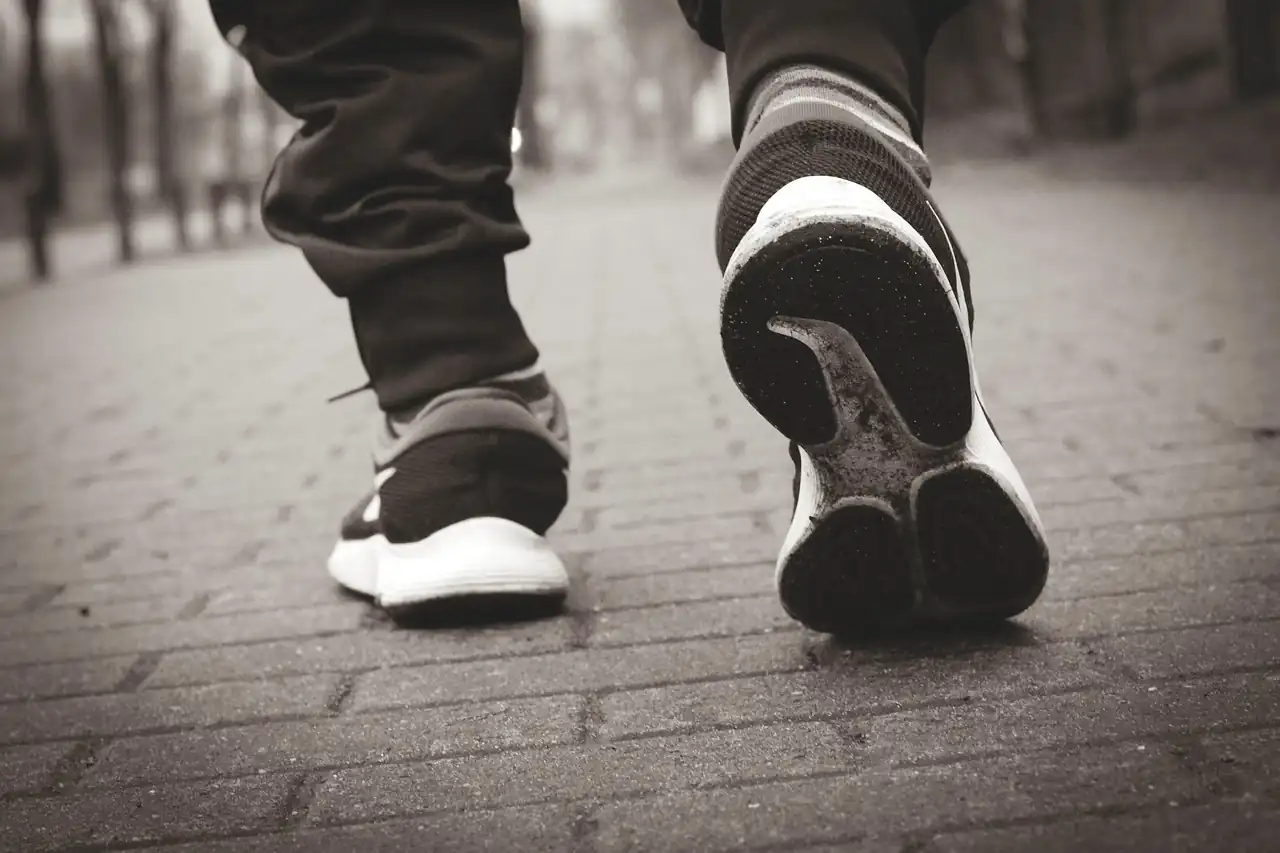
Imagen: un-perfekt / Pixabay
Choosing a fast model for 21 kilometers no longer means having to go through a rigid sole or extreme geometry. In recent years, foams have improved a lot and have opened up a very interesting space for runners who want to run with joy, with good response and without the feeling of being boxed into a racing mechanism. For a half marathon, that mix of lightness, reasonable stability and smooth transition can be more valuable than an obsession with the most aggressive technology.
The result is a family of shoes that works for training at lively paces, doing demanding tests and racing with confidence. These are models that usually weigh less, offer a friendlier feel and allow you to keep control when fatigue bites in the second half of the race. They don’t push as much as some super shoes with a plate, but they also don’t punish you with a stiffness that many runners find foreign over 90 minutes or a bit more of sustained effort.
What a fast model without a plate brings to a half marathon
In a distance like the half marathon, balance usually matters more than technical spectacle. The runner needs a shoe that responds when they speed up, that doesn’t sink on landing and that keeps a certain freshness when the toughest kilometers appear. That’s where these models fit in: they offer a lively ride, with good foam rebound, but without relying on a rigid carbon plate or the like to generate propulsion.
That changes the experience quite a bit. The stride feels freer, with less sense of forced leverage and less dependence on a very specific technique. For many amateurs, that naturalness is a clear advantage, because it reduces the adaptation curve and makes the shoe useful beyond race day. One pair can work for long intervals, progression runs, fartleks and, if needed, a 21K at a demanding pace.
There’s also a very practical factor that carries a lot of weight: versatility. Carbon-plated shoes usually shine in pure competition, but they are not always the most sensible choice for stacking up lots of weekly training. By contrast, a fast model without a plate handles mixed use better and is usually kinder for runners who don’t want a shoe that’s too radical. That’s one of the reasons they’ve gained so much ground among recreational runners, especially those who prioritize feel over lab numbers.
What a good model for this distance should have
Not every lightweight shoe is suitable for running 21 kilometers with confidence. The name or the athletic look isn’t enough. For a half marathon, it’s worth focusing on three pillars: energy return, stability and fit. The foam should react quickly without turning into a soft bed that collapses with every landing. The base has to provide security when the pace rises and fatigue starts to alter your form. And the upper, that top part that wraps the foot, should hold without squeezing uncomfortably.
Weight matters too, though not in isolation. A very light shoe can feel wonderful in a short test and become tiring in the final part of a long race if it doesn’t make up for it with a balanced platform. That’s why, in this category, the models that work best are usually the ones that don’t chase minimalism at any price, but rather useful lightness, well executed, with quality foam and a base that doesn’t force you to correct every stride.
Cushioning deserves a more nuanced reading. For 21 kilometers, you don’t need a soft cloud or an excessively tall foam block. A more dynamic cushioning is better, one that absorbs impact but keeps some feel. In medium- or heavier-weight runners, or in those who often land on the midfoot and forefoot, that middle ground can make a noticeable difference in overall comfort. And in faster runners, a firm, clean response avoids the feeling of floating without control.
Models that fit this profile best
There are several names that have earned prestige for their ability to run fast without relying on a plate. Among them are very well-known options for their overall balance, such as the Hoka Mach 6, Adidas Adizero Evo SL, New Balance FuelCell Rebel v5, Mizuno Neo Zen or Topo Athletic Specter 2. They all share the same underlying idea: to offer a shoe capable of picking up the pace naturally, but without the stiffness of a typical super shoe.
The Hoka Mach 6 stands out for its agile feel and a very clean transition. It’s one of those shoes that invites you to move your legs with cadence, without overloading the calves too much. The Adidas Adizero Evo SL, for its part, plays with a very interesting mix of lightness and response that brings it close to competitive use, but also to quality workouts. It doesn’t have the aggressiveness of a top-level plated shoe, and precisely for that reason it’s easier to live with.
The New Balance FuelCell Rebel v5 is aimed at runners looking for joy in the stride and a very fluid sensation. Its character is usually more playful than forceful, ideal for those who appreciate a quick and flexible ride. The Mizuno Neo Zen and the Topo Athletic Specter 2 round out that group with modern geometry, agile transitions and an experience that feels less constricted than the harder models on the market. Taken together, they represent well the evolution of today’s fast footwear: less dogma, more adaptation to the real runner.
When it’s worth going without the plate
Not every runner benefits from a very aggressive racing shoe. In a half marathon, the benefit of the plate depends a lot on the runner’s level, technique and target pace. If you’re running at a moderately high but not explosive speed, a no-plate option can even be more effective in practice, because it lets you maintain your mechanics better throughout the race. Efficiency doesn’t always come from stiffness; sometimes it comes from being more relaxed.
Previous experience also matters. Someone who isn’t used to a very pronounced geometry may find that a super shoe alters their stride, forces them into a more specific way of running and leaves them with a strange feeling at the end of the effort. Against that, a conventional fast shoe usually feels better from the first kilometer, like a light car that responds without asking the driver to completely change the way they handle it.
There’s another clear group where these shoes shine especially well: runners who alternate quality work and long runs in the same pair. For them, the purchase makes more sense if the shoe can handle lively workouts, progression runs and the occasional race. It’s a more rational investment than keeping a very specific model only for the big day. In the context of the half marathon, where training volume matters almost as much as the clock itself, that versatility carries a lot of weight.
The role of foam, rocker and stability
The real magic of this segment lies in the combination of foam and geometry. The foam provides bounce, cushioning and that sense of propulsion the runner feels with every landing. The rocker, that visible curve in the sole, helps the transition from heel to toe happen faster. And stability keeps the whole setup from becoming unstable when fatigue starts to throw the stride off.
In a half marathon, repeated impact demands footwear that doesn’t become clumsy when the runner settles into cruise pace. A foam that’s too soft may feel comfortable at first but inefficient after an hour. A narrow base may look fast in the shop, but end up creating insecurity on corners, downhills or uneven pavement. That’s why the best options in the segment usually balance those three variables quite well, without sacrificing one completely in favor of another.
The rocker, when well executed, doesn’t push in an artificial way. It more so organizes the step and reduces resistance to forward motion. That’s the important difference. It’s not about the shoe running by itself, but about it accompanying the runner without friction, like a polished surface that lets the stride glide. In distances like 21 kilometers, where pace is held for quite a long time, that detail can save a lot of mental and physical energy.
What kind of runner usually gets this choice right
This shoe profile fits very well with those looking for a fast but not extreme sensation. Light- or medium-weight runners, with reasonably efficient technique and race paces that don’t require a radical super shoe, usually find a very convincing sweet spot here. It also suits those who prefer a less aggressive feel so they don’t feel like their foot is locked inside foam and carbon.
For intermediate runners, these models are often a very logical gateway to a more ambitious use of footwear. They let you run fast without depending on an architecture that can sometimes be too demanding. And for experienced runners, they offer an interesting second path when a pure racing shoe isn’t the right call, but something more versatile is, with more predictable behavior on a long day.
By contrast, they are not the ideal solution for anyone who needs the maximum possible mechanical assistance. If the goal is to squeeze seconds off the clock and it’s very clear that the plate helps maintain a very high cadence, then the decision changes. But for a large number of recreational runners, the real difference between performing very well and performing a little better doesn’t make up for losing comfort, feel or ease of use. At that point, fast footwear without a plate gains a lot of ground.
How they behave in training and racing
One of their most interesting virtues is that they don’t live only for race day. In quality workouts they offer enough response for tempo sessions, half-marathon pace blocks or long repeats on track and road. They are not as demanding as other shoes designed exclusively for racing, which makes them a useful resource in weeks with a heavy load or when you need to vary the stimulus.
In competition, their behavior depends a lot on the runner, but they usually deliver a very solid result when the goal is to hold pace, not launch a lab-style attack. They are stable, manageable and less temperamental. That translates into an experience more like a street sports car than a track prototype: fast, yes, but also usable and less dependent on ideal conditions.
That mixed character explains why many runners prefer them for distances between 10 kilometers and the half marathon. In that range, the shoe has to be agile enough to respond to pace changes, but not so extreme that it can only be reserved for one specific day. In races where strategy, pacing and the ability to sustain effort matter as much as pure explosiveness, versatility becomes a competitive advantage.
What to look at before choosing
Beyond the fast label, it’s worth thinking about the actual use the shoe will get. If the shoe is going to be worn in several weekly workouts, it’s important that it has reasonable durability and a midsole that doesn’t break down too quickly. If the main use will be racing, a lighter and more delicate build can be accepted. And if the runner has an unstable landing or abrupt pace changes, stability should matter as much as responsiveness.
Fit also deserves attention. A very thin upper can feel pleasant when standing still, but while running it can leave too much room in the forefoot or cause chafing. A collar that’s too low may feel freeing for some and insufficient for others. In a half marathon, where feet swell a bit and posture changes with fatigue, small details like toe box space or midfoot hold matter more than they seem.
The feeling on landing and takeoff should be the final reference. It’s not enough to read that a foam is responsive or that a geometry is modern. You have to think about how those features translate when running for 21 kilometers. If the shoe does its job quietly, without fighting the stride, it’s probably closer to the right choice than another one that looks more spectacular on paper. That functional discretion, so little glamorous and so effective, is usually the hallmark of the best models in this segment.
A segment that has changed the way speed is understood
Speed in running is no longer explained only by carbon and records. The market has matured and has started to value feel, usability and a shoe’s ability to serve in more than one context much more clearly. That has given strength to fast models without a plate, which today occupy a very serious place among half-marathon options. They are not a plan B; in many cases they are the most sensible answer.
Their rise also says a lot about how most people run. Not everyone is looking for an extreme experience or needs the stiffness of a very specific design. Many runners want to feel lightness, some bounce, a clean transition and the confidence that their foot won’t be fighting the shoe with every landing. That desire, so simple and so human, has pushed brands to fine-tune the feel of their foams more and more and to build increasingly balanced models.
For a half marathon, that evolution is good news. It means more options, better adaptation to different profiles and less dependence on a single formula. The race is still demanding, but the footwear no longer needs to look like an elite prosthesis to perform. Sometimes, the best choice is the one that lets you run with freedom, rhythm and control; the one that accompanies without imposing itself and lets you reach kilometer 21 with the feeling that you really went fast, but in a more natural way.
Este artículo contiene enlaces de afiliado: si compras a través de ellos, se genera una pequeña comisión sin coste adicional para ti. Más información.



How to prevent thigh chafing: causes and real solutions

Women’s running windbreakers: seven jackets and how to choose

Do more workouts get rid of soreness? A guide for runners

Jaén Half Marathon 2026: Record 3,800 Runners Registered

Men’s short running tights: how to choose the right pair

World Triathlon confirms data breach involving medical data

Izan Edo targets podium at Miyazaki World Cup

María Pérez ranks ninth in World Athletics’ 2026 top ten

Dos Santos, Duplantis and Sawe: World Athlete of the Year finalists

San Silvestre Vallecana 2026: 42,000 places, prices and start times

 Races3 months ago
Valencia Half Marathon 2027: date and registration

 Races3 months ago
Valencia Marathon 2026: entry, ballot and course

 Reviews and Comparisons4 months ago
Asics Gel-Roadmiles 3 for men: review and current price

 Reviews and Comparisons4 months ago
Asics Gel Sonoma 8 Gore-Tex: complete analysis for trail and rain

 Sneakers3 months ago
Saucony Endorphin Pro 4: full review and verdict

 News5 months ago
Strava API 2026: what changes for clubs, challenges and runner apps?

 Reviews and Comparisons5 months ago
Nike Alphafly 3: opinions, sensations, and real key points

 Reviews and Comparisons4 months ago
Under Armour running shoes review 2025-2026: models and key features

 Sports Equipment4 months ago
Shoe sizes in cm: a clear guide to getting the right fit for your footwear

 Sneakers3 months ago
Skechers GO RUN Consistent 2.0 analysis: comfort and limits

 News5 months ago
Valencia Marathon 2026 route: key tips to train and run better

 Sneakers4 months ago
Adidas Adizero Boston 13 for men: review and verdict