Sneakers
Original ways to tie shoelaces: styles and useful tricks
Six ways to adjust your sneakers for more style, better support, or a cleaner, more discreet finish.

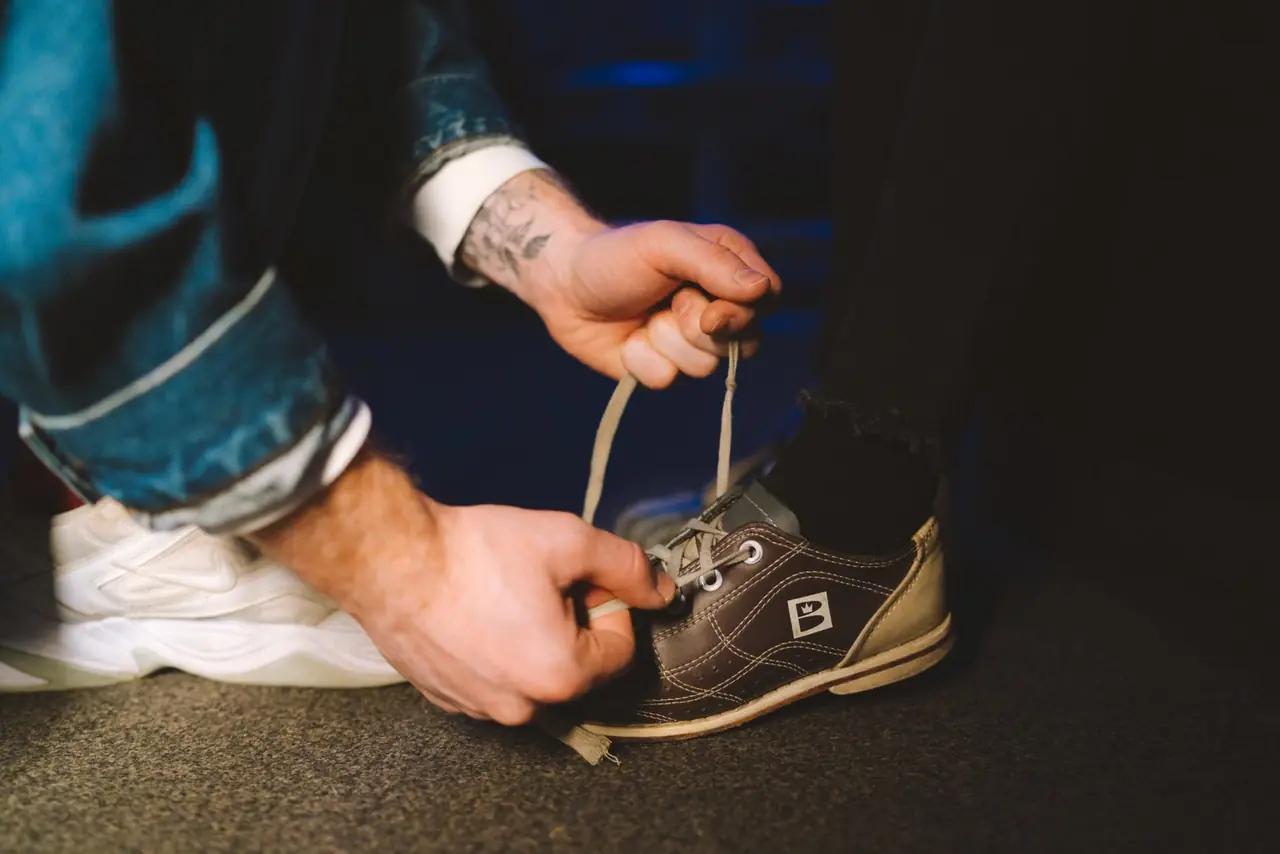
A pair of well-crafted laces changes much more than it seems: it improves the fit, prevents rubbing, and can completely transform the silhouette of a sneaker. In running and urban footwear, the detail is no small matter; the lacing determines whether the foot stays secured as it should or slips inside the shoe with every step, something that eventually takes its toll in the form of blisters, discomfort, or loss of stability.
Lacing variations also serve a very clear aesthetic function. The same sneaker can look cleaner, more technical, or more eye-catching depending on the pattern chosen. The lace stops being just a closure and becomes part of the design, just like a visible seam, a chunky sole, or a well-placed tongue. That is why it is worth knowing methods that work both for everyday use and for sport, from a conventional lace-up to more creative options.
Why lacing affects comfort and appearance
The first reason is functional. Proper lacing distributes pressure more evenly over the instep and ankle, something especially useful in training shoes, boots, or footwear with many eyelets. A balanced closure reduces internal slippage and helps keep the foot in place, which becomes crucial when walking quickly, climbing a hill, or running on uneven surfaces.
The second reason is visual. In a white sneaker, for example, a straight pattern conveys cleanliness and order; in a mid-top sneaker, a more complex weave adds personality without needing to change the model. There is also a practical component to aesthetics: a neatly tucked lace avoids loose ends that get dirty, fray, or end up hitting the toe cap. The difference shows in use, but also in the overall look of the footwear.
It is also worth remembering something basic: not all feet or all shoes call for the same tension. Some people need more support in the midfoot area and less pressure on the instep; others want exactly the opposite. The lacing system is, in reality, a fine-tuning tool. Changing the lace path can relieve pressure points without changing size or model, a simple advantage that is often overlooked.
The techniques most commonly used when you want to vary the style
Among the best-known alternatives is straight lacing, also called street style or fashion lacing. Its value lies in its visual cleanliness: the lines run horizontally, with no visible crisscrossing on the outside, and the result looks more orderly than traditional lacing. It is a very useful option in urban sneakers and in models with multiple eyelets, because it gives the impression of a continuous surface and visually lengthens the upper part of the shoe.
Another widely used technique is the ladder. The lace moves vertically and horizontally, creating a pattern that resembles a small metal structure. Its main virtue is support, but it also provides a very recognizable finish. In high-top boots or sneakers with many eyelets, this system distributes tension better and creates a strong, almost architectural graphic effect that draws attention without going overboard.
The spiderweb, on the other hand, is the most eye-catching of this group. The lace crosses diagonally and interweaves under the previous sections, drawing a net that covers the instep with a dense, elaborate look. It works especially well when the sneaker has enough space between the sides, because the weave needs room to stand out. On a narrower model it can look overdone; on a roomy sneaker, it becomes an almost showroom-worthy style statement.
There is also the bow tie, a lighter and more symmetrical variation, designed for those looking for a simple but different finish. The lace forms small visual knots that resemble a repeated ribbon. It is a balanced solution between subtlety and originality, and can be very appealing in casual footwear or in pairs that already have enough presence on their own, so that the lacing does not compete with the rest of the shoe’s design.
How the result changes depending on the type of footwear
In athletic shoes, the priority is usually support. A runner needs the foot not to move around inside the shoe’s chassis, especially on long runs or when changing pace. That is why classic crisscross lacing remains the most reliable base, although a double knot or the straight variation may improve the fit depending on the shape of the instep. When the shoe is meant for sport, aesthetics should never come before stability, because poor tension leads to discomfort and reduced efficiency.
In boots, the approach changes. Here, what matters is distributing the closure from the lower part up to the shaft, so the ankle is held without being squeezed. Long-lace boots allow for more decorative patterns such as the ladder or the reinforced cross-lacing. A well-laced boot adapts to movement without becoming a rigid brace, and that balance is noticeable both when walking and when standing for long periods.
In formal or dress shoes, visual criteria matter more. Straight lacing brings cleanliness and usually fits better with a sober last. If the lace is thin and slightly waxed, the finish gains refinement; if it is thick or too long, it breaks the harmony. In an elegant shoe, less is usually more, which is why simple solutions often work better than complicated weaves.
In espadrilles and footwear with ribbons, the lace path becomes part of the design itself. Here, the visible bow can add charm, especially if it wraps around the ankle or falls symmetrically over the instep. In this type of shoe, the lace does not only hold: it also decorates. That is an important difference, because the same gesture that seeks firmness in a sneaker seeks visual presence and balance in an espadrille.
The most discreet ways to make the lace go unnoticed
There is a group of users who do not want to see the laces. They prefer a clean front, almost minimalist, as if the shoe had no visible closure. To achieve this, the best-known option is to hide the bow under the tongue once the knot is tied. It is a simple move that cleans up the upper part of the sneaker and reduces visual noise, something especially appreciated in monochrome or urban-inspired models.
Another possibility is to run the lace along the inside without crossing it on the outside at each step, so the visible lines disappear or are reduced to a minimum. The result may look more modern, but it also requires patience and a certain degree of tension control. The goal is not to hide just for the sake of hiding, but to achieve a more continuous surface without losing fit. If the lace is too loose, the aesthetic effect turns into a support problem.
This type of lacing also helps when you want to pair the sneaker with clean-cut trousers or with garments where the foot should not steal the spotlight. The eye rests more easily on a clear line. In that sense, hidden laces work like a styling trick: they are there, but the eye barely notices them, and that gives the whole outfit an almost silent sense of neatness.
The relationship between safety, wear, and durability
Improperly tied laces are not just a momentary annoyance. They also speed up wear on the lace itself and on the eyelets, especially when you always pull from the same side or tie a knot too abruptly. Repeated friction ends up damaging fibers and edges, just as a belt cracks if it is subjected to the same fold every day. Good distribution of tension extends the life of the whole set and avoids having to replace the lace prematurely.
Safety is another essential factor. A loose lace in motion can cause a trip that is as silly as it is dangerous, especially on stairs, wet asphalt, or uneven surfaces. In sport, the risk multiplies because speed and fatigue reduce attention. That is why the knot should stay firm, but not excessive: too tight presses; too loose compromises the stride.
It is also worth thinking about the final knot. A double knot usually holds up better to everyday use, especially in training shoes or children’s footwear, where movement is rougher and the lace can come undone easily. Still, not everything depends on the knot. The key lies in the whole setup: path, tension, lace length, and type of bow. When those pieces fit together, the result is both stable and clean.
Which pattern best suits each real need
If style is the priority, straight lacing and the bow tie offer a clean, modern look. If support is what matters, the ladder or reinforced traditional crisscross do a better job. If what you are after is a stronger visual presence, the spiderweb pattern clearly fulfills that role. There is no universally better method; there is the one that is most useful for each foot, each model, and each use.
In everyday urban footwear, a more orderly technique is often enough to refresh the look of a pair of sneakers without changing anything else. In boots or more technical models, the choice of pattern can improve comfort when walking for hours. And in the most minimalist pairs, a hidden lace lets the shoe’s shape do the talking. Thoughtful lacing acts like a small piece with a lot of visual weight.
That margin for customization explains why original lacing styles continue to attract attention year after year. No major changes are needed to notice a clear difference. Sometimes it is enough to change the path of a white lace over a black base, or to replace a conventional bow with a cleaner structure. The shoe changes tone, as if it suddenly received a different light, and all without replacing the pair.
A small detail that organizes the whole outfit from top to bottom
The interest in these variations is not only about passing fashion. It also reflects a more discerning way of buying and using footwear, fine-tuning the fit and extending the life of what one already has. Well-chosen and well-tied laces can improve comfort, safety, and appearance at the same time, something rare in such a discreet accessory.
In a landscape dominated by white sneakers, technical-inspired boots, and models that are increasingly similar to one another, lacing has become an inexpensive and effective way to distinguish a pair. It makes no noise, requires no special tools, and does not alter the shoe’s structure. It is a minimal change with a surprisingly visible effect, like adjusting the light in a room with a single switch.
That is why original ways of tying laces still have a future: because they are useful, because they decorate, and because they allow small fit issues to be corrected without complication. In footwear, as in almost everything, details hold the whole together. And few things as small produce such a clear variation in the way we walk, dress, and look at a shoe.



How to prevent thigh chafing: causes and real solutions

Women’s running windbreakers: seven jackets and how to choose

Do more workouts get rid of soreness? A guide for runners

Jaén Half Marathon 2026: Record 3,800 Runners Registered

Men’s short running tights: how to choose the right pair

World Triathlon confirms data breach involving medical data

Izan Edo targets podium at Miyazaki World Cup

María Pérez ranks ninth in World Athletics’ 2026 top ten

Dos Santos, Duplantis and Sawe: World Athlete of the Year finalists

San Silvestre Vallecana 2026: 42,000 places, prices and start times

 Races4 months ago
Valencia Half Marathon 2027: date and registration

 Races4 months ago
Valencia Marathon 2026: entry, ballot and course

 Reviews and Comparisons4 months ago
Asics Gel-Roadmiles 3 for men: review and current price

 Reviews and Comparisons4 months ago
Asics Gel Sonoma 8 Gore-Tex: complete analysis for trail and rain

 Sneakers4 months ago
Saucony Endorphin Pro 4: full review and verdict

 News5 months ago
Strava API 2026: what changes for clubs, challenges and runner apps?

 Reviews and Comparisons5 months ago
Nike Alphafly 3: opinions, sensations, and real key points

 Reviews and Comparisons4 months ago
Under Armour running shoes review 2025-2026: models and key features

 Sports Equipment4 months ago
Shoe sizes in cm: a clear guide to getting the right fit for your footwear

 Sneakers3 months ago
Skechers GO RUN Consistent 2.0 analysis: comfort and limits

 News5 months ago
Valencia Marathon 2026 route: key tips to train and run better

 Sneakers4 months ago
Adidas Adizero Boston 13 for men: review and verdict