Sneakers
Ways to lace sneakers: fit, style, and comfort
Methods to improve fit, comfort, and support without changing shoes or making things more complicated than necessary.

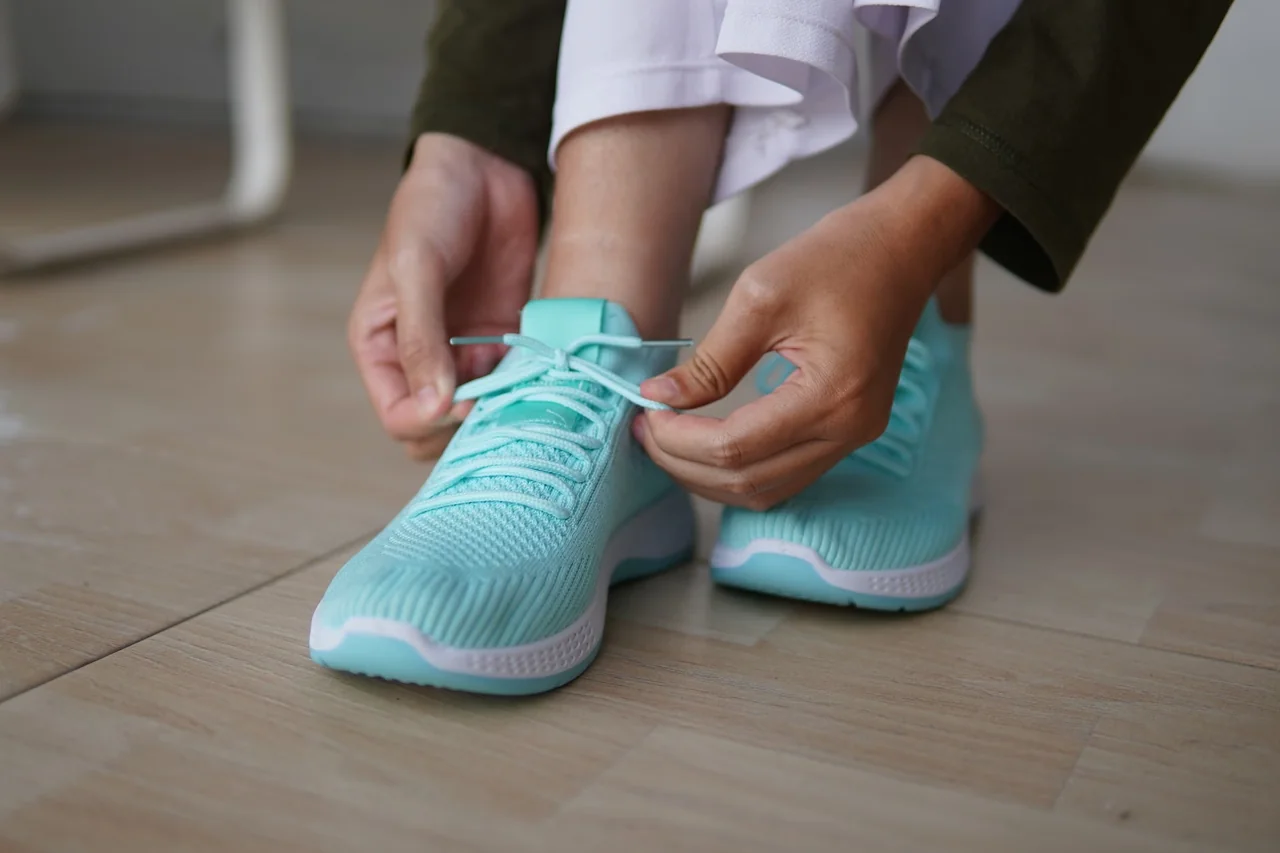
A change in how the laces are crossed can alter a shoe’s behavior more than it seems: it changes the pressure on the instep, frees up space in the toe box, holds the heel better, and in some cases reduces chafing that can ruin a long run. What for many is a simple routine gesture becomes, in running, a discreet but effective tool for fine-tuning the fit without changing size or model.
The way the laces are threaded affects comfort, stability, and the feeling of security. In short races it may go unnoticed, but in long workouts, in heat, or when the foot swells, a poorly resolved lacing is felt like a stone in the sock: small, persistent, and capable of changing the whole experience.
Fit starts before the first kilometer
Most of the problems a runner attributes to the midsole or the stiffness of the material actually begin in the upper part of the shoe. The tongue, eyelets, and lace tension form a system that works together to hold the foot in place. If it tightens too much across the top, the foot loses freedom; if it is too loose, the heel floats and the shoe moves like a boat in choppy water.
That is why there are so many ways to lace or rearrange the laces. It is not just about aesthetics, though that matters too; it is about adapting a last designed for many feet to each person’s specific anatomy. A runner with a high instep does not need the same tension as someone with a narrow foot. And a person with bunions, long toes, or a wide forefoot will appreciate different solutions, sometimes as simple as skipping an eyelet or changing the direction of the cross.
The key is to understand what problem needs correcting: more space in the toe box, less pressure on the instep, better heel lock, or a smoother distribution of tension. That practical diagnosis avoids improvisation and turns a mechanical detail into a real improvement in comfort.
The classic cross remains the starting point
The most common way to lace shoes is the crisscross pattern, from bottom to top, passing diagonally from one side to the other. It is the most widespread pattern because it distributes tension evenly and works well in most running shoes, both road and trail. It is the most universal method because it provides reliable support without complications.
Even so, even within that classic scheme there is room for fine adjustments. If the foot feels compressed in the midfoot, loosening a specific section or leaving one cross less tight can relieve pressure. If the heel slips, it is a good idea to tighten the upper section or close off the area of the top eyelets better. Ultimately, lacing is more like tuning a guitar string than tying a simple knot: each point responds differently.
In daily training shoes, this traditional cross is usually enough. In more aggressive or racing models, where the upper is snugger, the fit needs to be more precise. That is where the variations come in that allow you to gain millimeters of space or lockdown, something that can make a noticeable difference when the foot expands during effort.
Gaining room in the toe box without changing size
One of the most common uses of different lacing methods is to free up the front of the foot. When the toes hit the top of the shoe, the problem is not always the size; often it is the tension accumulated along the entire line of eyelets. Reducing pressure in the toe box can prevent black toenails, blisters, and that suffocating feeling, especially on long runs or prolonged descents.
A simple solution is to distribute the tension by leaving the lower half of the instep looser. Another, very useful for wide feet, is to skip a cross in the area that compresses the most and resume the pattern higher up. This leaves a small air pocket in the critical area without compromising the overall stability of the shoe.
This trick is not exclusive to running. It is also useful for long walks, everyday shoes, or when the day ends with feet a little more swollen from heat or hours spent standing. The toe box needs room to expand; toes should not live enclosed as if every step were a negotiation.
Locking the heel changes the running feel
A loose heel is usually noticed quickly: the foot slides forward on every landing, friction increases, and the skin complains in the form of blisters. That unnecessary movement is not only uncomfortable; it also steals precision from the push-off. Good heel lock improves stability and reduces internal slipping, something fundamental on descents, intervals, or fast-paced races.
The best-known solution is runner’s lacing, also called heel lock. It involves using the top eyelets so that the lace forms a small loop on each side, creating a kind of latch before the final knot. It is not a gimmick, but an effective way to secure the foot without overtightening the rest of the shoe.
This technique is especially useful for runners with narrow heels or in models where the rear part is a bit roomier than desirable. In trail running it makes even more sense, because uneven terrain multiplies small internal movements. A foot that does not dance inside the shoe responds better, lands more clearly, and is less harsh on the skin.
Relieving the instep when pressure bothers you
Some runners do not suffer from the toe box or the heel, but from the top of the foot. The instep swells, the tongue presses, the lace leaves a visible mark, and every stride seems to rub the same invisible sore. In those cases, it is a good idea to redistribute the vertical tension and avoid tightening the same line evenly.
A simple way to ease that area is to open up the pattern a little in the central section, leaving less tension where the foot protrudes more. Relief eyelets also help, when the shoe includes them, because they let the lace pass through a different point and soften pressure on a specific area. The effect is similar to loosening your belt after a long meal: it does not change the structure, but the body breathes better.
For runners with a high instep, this adjustment can be decisive. What is a perfect fit for one person can become an unbearable pressure band for another. The same model can feel comfortable or aggressive depending on how the tension is distributed, which is why lacing deserves as much attention as size.
Visible laces, hidden laces, and the practical difference between both
Aesthetics also matter, especially in urban or casual-inspired shoes. Some ways of weaving the laces create a cleaner, more parallel and orderly pattern; others show the classic cross and give a more dynamic look. However, in running, appearance is usually a byproduct of a higher priority: fit.
Straight or parallel lacing, for example, creates a cleaner surface over the tongue and can reduce pressure points on the instep. It is often used in casual footwear, but it also makes sense for certain sensitive feet. A straighter lacing distributes tension better across the upper and prevents the lace from tracing a line that is too harsh on the foot.
Hidden laces, for their part, are a practical solution to prevent excess lace from hanging, snagging, or getting dirty. In races, the leftover length can become a small enemy: it hits, comes undone, or ends up stepped on. Tucking it neatly under the tongue or securing it with the knot gives a cleaner look and better functionality.
What happens when the foot is wide or the shoe is narrow
Running shoes do not behave the same with every foot, and that is one of the main reasons it is useful to know different lacing methods. On wide feet, a traditional, very tight lacing can turn an easy run into a series of pinches. Relieving the front and distributing pressure is more useful than insisting on tightening everything equally.
The standard lasts of many brands tend to work well for most people, but not for everyone. A foot with splayed toes or a bulky forefoot may need more actual room than the size suggests. Instead of forcing the situation, it is better to adjust the lacing so the material follows the shape of the foot, not the other way around. The shoe should embrace, not strangle.
When the tightness is mild, sometimes changing just one section of the lacing is enough. When it is more obvious, the solution involves a combination of factors: lacing technique, sock thickness, and shoe type. You do not always need to change models; often it is enough to let the foot occupy the inside better.
Socks also play a part in the fit
Lacing does not work in isolation. Sock thickness changes the final result, just as an underlayer changes how a jacket hangs. A thin sock gives more room in snug shoes, while a slightly thicker one can fill some of the extra space and improve the feeling of lockdown. The combination of laces and socks ultimately defines the actual feel of the shoe.
In summer, when the foot tends to swell and sweating increases, a lightweight fabric helps control volume without adding unnecessary friction. In winter, a denser sock can provide that bit of fill that keeps the foot from moving around inside the shoe. It is not a rigid formula, but a way to fine-tune the whole setup more precisely.
There is also a less visible effect: a good sock softens some of the lace pressure and reduces the feeling of seams or rubbing on the instep. In practice, that combination of small details separates a decent shoe from a shoe that disappears during the run, which is how good gear should feel when everything fits.
Trail, road, and everyday use call for different solutions
On the road, where footstrike is repetitive and pace is what matters, a stable but not excessively rigid fit is usually preferable. In trail running, by contrast, the shoe must handle changes in incline, loose stones, mud, and descents in which the foot pushes forward. The more uneven the terrain, the more important foot lockdown becomes.
Mountain and trail shoes tend to benefit from a well-secured heel and a toe box with some room. The foot needs space to react when the terrain changes, but not so much slack that control is lost. In models with harder reinforcements or more structured materials, lacing can offset some of the stiffness by distributing the fit sensation better.
In daily or urban use, priorities change again. Immediate comfort matters more than competitive precision, and a less aggressive pattern may be preferable. The same shoe may need a different treatment depending on the context: running a half marathon, walking around the city, or spending eight hours on your feet does not demand the same behavior.
When the knot matters as much as the pattern
Not everything depends on the route the lace takes. The final closure matters too. A poorly finished knot can loosen, flatten against the tongue, or create localized pressure that ends up bothering more than the cross itself. A firm, neat, well-distributed closure completes the work of the lacing.
Some runners tie a double knot out of habit, others tuck away the excess, and others simply leave little free lace to avoid problems. Each choice reflects a mix of habit and need. What matters is that the end of the lace does not add noise to a system that should already be tuned.
On long runs, the knot and leftover length deserve attention. A lace that is too long can hit the instep, come undone, or get caught. One that is too short forces you to tighten more than necessary and reduces adjustment room. The balance between safety and comfort is more important than any fixed formula.
The most common mistakes when adjusting the laces
The most common mistake is tightening too much from the bottom, as if all support depended on closing the shoe with brute force. That strategy usually punishes the toes and does not solve heel slippage. Another common error is failing to distinguish between pressure and fit: a snug shoe is not necessarily a secure shoe. The goal is not to immobilize the foot, but to support it firmly.
It is also common to ignore the shape of the foot itself. Some people try to solve with the lace what is actually a last problem. If the toe box is too narrow for the runner’s anatomy, no technique will work miracles. Even so, lacing can gain a few useful millimeters and soften the experience, which is sometimes enough to save a model that would otherwise feel uncomfortable.
Another common oversight is not testing the fit with the foot already loaded. The foot changes throughout the day and also during a run, especially in heat. The right test is not at absolute rest, but with a sensation similar to what appears while running. That is where you find out whether the lace supports or squeezes.
A small decision with very real effects
The different ways of lacing shoes are not a technical ornament or a trick for detail obsessives. They are a practical, inexpensive, and reversible tool for fine-tuning footwear before assuming the problem lies in the whole shoe. In many cases, a simple modification is enough to improve support, free the toe box, or stabilize the heel.
The best method is the one that solves the discomfort without creating another. It may be the classic cross, heel lock, a straighter pattern, a skipped section, or a combination of several. The answer is rarely universal because feet are not universal either. Each has its own pressure map, sensitive spots, and way of asking for space.
That is why understanding these variations is useful both for people who run daily and for those who simply want to walk more comfortably. Laces are a visible detail, yes, but their effect is felt in silence, step by step, like a well-oiled hinge: you do not notice it until it is missing.
The comfort of a good fit is decided in the details
In the running world, much is said about outsoles, foams, and plates, but the most immediate point of contact remains the upper part of the shoe. That is where the foot enters, settles, and begins to work. Good lacing turns a normal shoe into a much more usable shoe, and sometimes that weighs more than any catalog argument.
The difference between finishing a run feeling like you floated or feeling like you wore a bandage too tight can lie in a few centimeters of lace. It is one of those small decisions that are noticed late, after the miles are already behind you, and precisely for that reason they deserve attention. In sports footwear, as in almost everything, fine-tuning is often what separates the merely correct from the truly comfortable.
In the end, the best combination is the one that lets you forget about the shoe while running. When the foot stops thinking about the lace, the system has worked. That discretion, almost invisible, is the clearest success of any well-chosen way of lacing.
You may also like: Original ways to tie shoelaces: styles and useful tricks.



How to prevent thigh chafing: causes and real solutions

Women’s running windbreakers: seven jackets and how to choose

Do more workouts get rid of soreness? A guide for runners

Jaén Half Marathon 2026: Record 3,800 Runners Registered

Men’s short running tights: how to choose the right pair

World Triathlon confirms data breach involving medical data

Izan Edo targets podium at Miyazaki World Cup

María Pérez ranks ninth in World Athletics’ 2026 top ten

Dos Santos, Duplantis and Sawe: World Athlete of the Year finalists

San Silvestre Vallecana 2026: 42,000 places, prices and start times

 Races4 months ago
Valencia Half Marathon 2027: date and registration

 Races4 months ago
Valencia Marathon 2026: entry, ballot and course

 Reviews and Comparisons4 months ago
Asics Gel-Roadmiles 3 for men: review and current price

 Reviews and Comparisons4 months ago
Asics Gel Sonoma 8 Gore-Tex: complete analysis for trail and rain

 Sneakers4 months ago
Saucony Endorphin Pro 4: full review and verdict

 News5 months ago
Strava API 2026: what changes for clubs, challenges and runner apps?

 Reviews and Comparisons5 months ago
Nike Alphafly 3: opinions, sensations, and real key points

 Reviews and Comparisons4 months ago
Under Armour running shoes review 2025-2026: models and key features

 Sports Equipment4 months ago
Shoe sizes in cm: a clear guide to getting the right fit for your footwear

 Sneakers3 months ago
Skechers GO RUN Consistent 2.0 analysis: comfort and limits

 News5 months ago
Valencia Marathon 2026 route: key tips to train and run better

 Sneakers4 months ago
Adidas Adizero Boston 13 for men: review and verdict