Training
Running groups in Valencia: how to train better in the city
Running in València gains strength in company: more consistency, a better atmosphere, and structured training in the city.

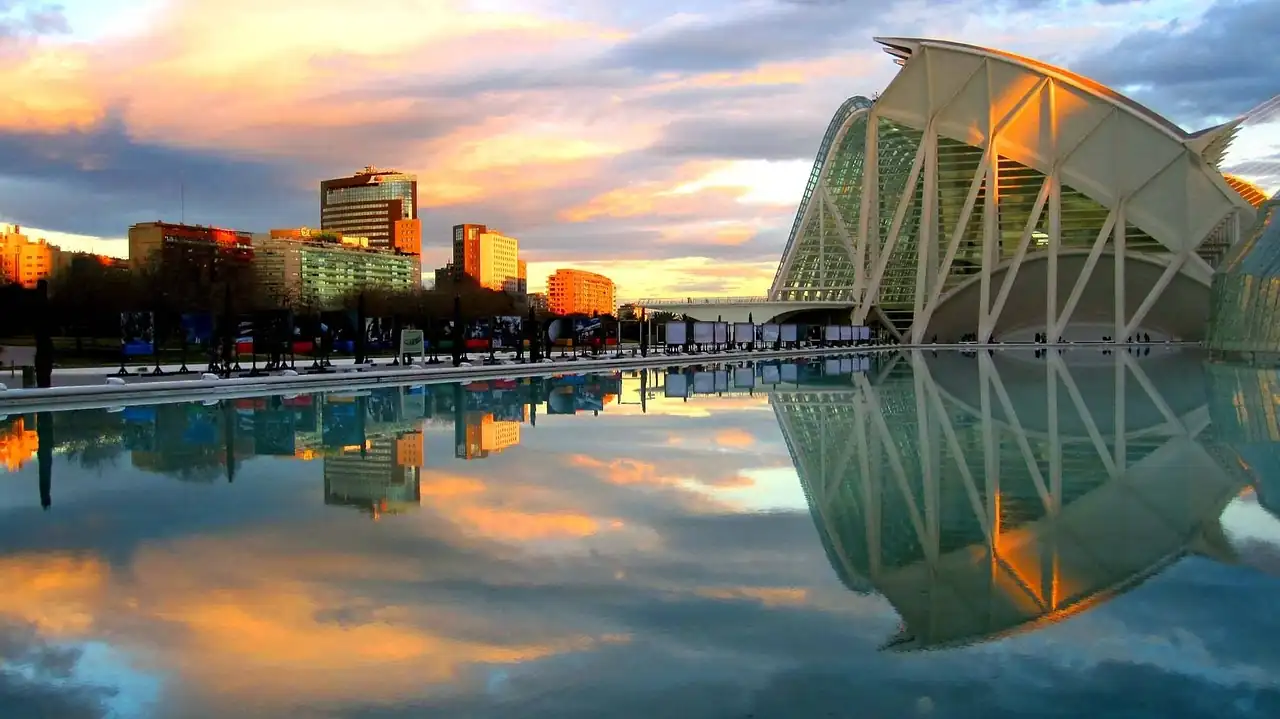
Imagen: Themil / Pixabay
València has become one of the great stages of urban running in Spain, with a vibrant calendar, a climate that invites people out into the street for much of the year, and a network of spaces that makes it easy to run at almost any time. In that context, running groups have gone from being a rarity to becoming a visible part of the city: they appear at dusk by the river, move through the seaside neighborhoods, and take over tracks, parks, and promenades with the naturalness of people who have already turned effort into a shared routine.
The running groups in Valencia respond to a very simple need: train better without running alone. Anyone who joins a group session is usually looking for company, structure, and an atmosphere that helps sustain consistency when motivation starts to fade. But there is also something more subtle: the feeling of belonging. In a city with so much sporting life, going out to run in a group stops being just a physical activity and becomes a way of relating to urban space.
Why group running has gained ground in the city
The growth of running groups in València is not a passing trend. It responds to a real change in the way popular training is understood. More and more runners are discovering that consistency matters more than heroics, and that a shared plan helps sustain entire weeks of work without relying only on willpower. The city, with its gentle terrain and wide circuits, favors that kind of repeated, accessible practice.
The profile of today’s runner also plays a part. Some are just starting from scratch, some are coming back after a long break, and others are already competing in 10K races, half marathons, or trail events. All of them find value in a shared environment, because running with others reduces the feeling of isolation and organizes the pace. In a group you learn to set off more slowly when needed, to respect rest, and to gauge effort better; things that, on your own, are often forgotten amid rush and stopwatches.
In València, the city’s sporting culture also matters. The Turia, the seafront, the parks, and many avenues make it possible to link broad routes without too many interruptions. That makes it easier to do sessions with pace changes, continuous runs, or gentle recovery work. The group adapts to the environment like water to a riverbed, and that compatibility explains a large part of its success.
What kind of runners feel comfortable at these meetups
There is no single runner profile that benefits from shared training. In the same group, someone who has just started jogging can coincide with someone preparing a half marathon or a mountain race. The key is that the dynamic is well designed and there is a recognizable logic of effort. When that happens, the mix of levels does not break the session; it enriches it.
Beginner runners often find here a less intimidating way into the sport. Entering a track or joining a group outing can feel daunting at first, but the group atmosphere softens that barrier. Those returning after an injury or a long break also tend to appreciate the presence of other bodies and other paces, because training stops feeling like an individual test and becomes a guided progression.
For the more experienced, the appeal lies in structure. A well-organized group does not just add kilometers; it improves the quality of the work. It makes it possible to do technique, intervals, fartlek, or controlled runs with a human reference beside you, not just a watch. And in practice, that changes the perception of effort. The body responds differently when there are voices, references, and a shared goal.
Where collective training fits best in València
València offers a map almost tailor-made for social running. The old Turia riverbed remains one of the city’s great lungs for running, with enough width for easy runs, warm-ups, and sessions with pace changes. It is a space where recreational runners coexist with cyclists, walkers, and clubs, and that mix ends up becoming part of the everyday landscape.
The seaside area brings a different tone. Running near the sea adds wind, light, and a sense of openness that changes the character of the workout. For many groups, the promenades and avenues near the port or the beach are especially useful when they want easy runs or longer sessions, because the surroundings help sustain the pace without the pressure of a closed circuit. Some runs feel more like a conversation with the landscape than a chase after the stopwatch.
There is also room to train in neighborhood parks, athletics tracks, and wide streets in the built-up city. The variety of settings is a tactical advantage: it avoids monotony, allows the load to be managed, and makes it easier for each group to find its own terrain. One day it may be technique on an open stretch; another, aerobic work on a long straight; another, active recovery among trees and shade. The runner who only thinks in kilometers misses part of the value of that map.
What training in a group brings beyond the physical side
Physical improvement is only part of the story. Collective training also has a very clear psychological function: it reduces the friction of going out to run. What feels hard alone becomes more manageable with company. The hour stops weighing so much, the excuse loses strength, and the habit gains momentum. That is one of the great virtues of running groups, and one of the reasons they build loyalty so easily.
There is also an obvious social component. Sharing a long run, a warm-up, or a set of intervals does not create performance alone; it creates common language. People talk about the wind, the heat, how their legs feel, which shoes worked or didn’t, the next local race. That informal exchange works like a low-noise support network, discreet but persistent, which ultimately makes it easier to sustain a demanding routine.
Discipline also improves when training has witnesses. A runner is usually more punctual, more consistent, and more organized when they know others are waiting. It is not about pressure, but structure. And in a sport where many gains depend on repetition, that structure is worth gold. Individual motivation can fluctuate; collective dynamics, when well managed, hold up better over time.
How these sessions are really organized
A serious running group is not just about getting together and heading out. Behind it there is usually a logic for distributing effort, a clear idea of the session, and some attention to pace. Sometimes it is organized by levels; other times, by time blocks; on occasion, the same session includes shared parts and adapted segments. That simple structure makes the difference between training and merely piling up kilometers.
The session usually starts with mobility and activation, because the body needs to wake up before being asked for speed or continuity. Then come the runs, the intervals, or the technical work, and at the end, a cool-down that keeps the session from ending abruptly. That progression is what reduces risk and improves the quality of the effort. Without order, the group becomes a sum of improvisations; with order, it turns into a tool for progress.
In well-organized groups, prior communication also matters. Knowing whether it’s a steady run, basic strength, hills, or intervals avoids misunderstandings and helps each participant arrive with realistic expectations. In recreational running, improvisation can be fun, but consistency is built with predictability. And predictability, in sport, is often an elegant way of taking care of the runner.
What runners look at before signing up
Atmosphere is one of the most decisive factors. No one wants to feel out of place in an activity that should add to their life, not make them uncomfortable. The average age, the tone of the group, the mix of levels, and the way participants speak to each other all matter a lot. A friendly, clear, and stable group usually works better than one that is overly scattered or chaotic, even if it looks less flashy on the surface.
Location also matters. In a city like València, choosing a meeting point is no small detail. If the start fits with familiar routes, easy access, and reasonable schedules, attendance improves. Many people who work full-time or fit running in between obligations especially value not having the trip to training feel like a small marathon beforehand. Logistics, in this area, is also performance.
Compatibility of goals matters just as much. Some groups are designed to improve times, others to get started on the right foot, and others to maintain a healthy practice without competitive obsession. When expectations and the proposal match, the experience is usually better. If they don’t, unnecessary frustrations appear: the beginner feels overwhelmed, the advanced runner gets bored, the group loses cohesion, and the habit suffers.
Running, trail, and well-being: three ways of understanding the same city
The Valencian scene does not end on the asphalt. Trail running has gained ground in the province and expands the idea of group running into terrain with elevation, technique, and a closer reading of the surroundings. That opens another door for those looking to leave behind the mechanics of flat ground and enter a more changeable practice, with short climbs, controlled descents, and a kind of concentration that pays more attention to the ground than to the watch.
At the same time, there are group offerings focused on well-being, general strength, or functional work. Even if they are not pure running, they naturally connect with it. Lower-body strength, core work, and hip mobility have a clear impact on running economy. That is why many runners discover that a well-designed complementary session leaves them with better sensations than always repeating the same stimulus. The body appreciates variety the way the ear appreciates a well-placed silence.
The city, then, offers not only places to run, but different ways of inhabiting effort. València works like a constellation of sporting habits: asphalt, dirt, women’s groups, company collectives, popular clubs, and open sessions that mix different goals. That mosaic explains why interest in running together keeps growing, because it does not impose a single way of taking part.
Safety, pace, and coexistence matter more than the stopwatch
In collective training, safety must come first. It is not just about avoiding injuries, but about respecting coexistence among participants and with the urban environment. Running through the Turia, along avenues, or in shared spaces requires attention to crossings, bicycles, pedestrians, and changes in surface. An orderly group reduces risks and makes the experience much smoother.
Pace also needs careful management. One of the most common mistakes in a group is setting off too fast, carried away by the energy of the moment. In a flat and attractive city for running, that temptation multiplies. But good training rarely starts like a race against yourself. Being prudent in the first minutes usually pays off later, especially in long sessions or quality work.
Finally, coexistence sustains continuity. Listening to others, making room, respecting differences, and understanding that each runner comes with a different bodily history are small details that make a group great. In recreational running, what seems secondary ends up being central. A well-cared-for atmosphere is worth as much as a pace chart; sometimes more.
What is changing in Valencian running culture
The city no longer sees running as only an individual activity. The rise of races, open training sessions, and runner communities has been shaping a more visible, more shared, and above all more stable culture. Running has stopped being just a way to end the day; now it is also a way of building a relationship with the neighborhood, the landscape, and other people who repeat the same gesture week after week.
That change has concrete effects. More runners know safe routes, more people feel encouraged to start without shame, and more people discover that sporting progress is not at odds with support. The city wins when sport becomes accessible and part of everyday life. And the runner wins when they understand that training in a group does not reduce autonomy: it expands it, organizes it, and makes it more sustainable.
In València, that evolution is visible on the street. There are more sneakers at dusk, more recognizable shirts, more small tribes meeting in parks and promenades with almost ritual punctuality. It is not just a matter of fashion or image; it is the sign of a city that has managed to turn running into a social habit. And when a habit enters the daily life of thousands of people, it stops being a trend and becomes part of the landscape.
The place running groups occupy in the urban life of València
Running groups are now part of the everyday pulse of València. They give visibility to recreational sport, bring life to public spaces, and reinforce an urban identity tied to physical activity and the shared use of the city. They do not make noise, but they leave a mark: on schedules, on routes, on the way people look at the river, the sea, and the parks.
Their value is not only in adding kilometers or preparing specific races. It lies in offering a framework of continuity for those who need a routine with meaning. A well-designed group turns effort into something more livable, more human, and less abstract. In a city that runs as much as València, training with others is no longer a rarity: it is a natural way of being in motion.



How to prevent thigh chafing: causes and real solutions

Women’s running windbreakers: seven jackets and how to choose

Do more workouts get rid of soreness? A guide for runners

Jaén Half Marathon 2026: Record 3,800 Runners Registered

Men’s short running tights: how to choose the right pair

World Triathlon confirms data breach involving medical data

Izan Edo targets podium at Miyazaki World Cup

María Pérez ranks ninth in World Athletics’ 2026 top ten

Dos Santos, Duplantis and Sawe: World Athlete of the Year finalists

San Silvestre Vallecana 2026: 42,000 places, prices and start times

 Races4 months ago
Valencia Half Marathon 2027: date and registration

 Races4 months ago
Valencia Marathon 2026: entry, ballot and course

 Reviews and Comparisons4 months ago
Asics Gel-Roadmiles 3 for men: review and current price

 Reviews and Comparisons4 months ago
Asics Gel Sonoma 8 Gore-Tex: complete analysis for trail and rain

 Sneakers3 months ago
Saucony Endorphin Pro 4: full review and verdict

 News5 months ago
Strava API 2026: what changes for clubs, challenges and runner apps?

 Reviews and Comparisons5 months ago
Nike Alphafly 3: opinions, sensations, and real key points

 Reviews and Comparisons4 months ago
Under Armour running shoes review 2025-2026: models and key features

 Sports Equipment4 months ago
Shoe sizes in cm: a clear guide to getting the right fit for your footwear

 Sneakers3 months ago
Skechers GO RUN Consistent 2.0 analysis: comfort and limits

 News5 months ago
Valencia Marathon 2026 route: key tips to train and run better

 Sneakers4 months ago
Adidas Adizero Boston 13 for men: review and verdict