Training
Women’s running rain jacket: plan, paces and key points with useful tips
Keys to getting it right with a lightweight, breathable, and visible garment that can withstand rain and wind without slowing down your outings.

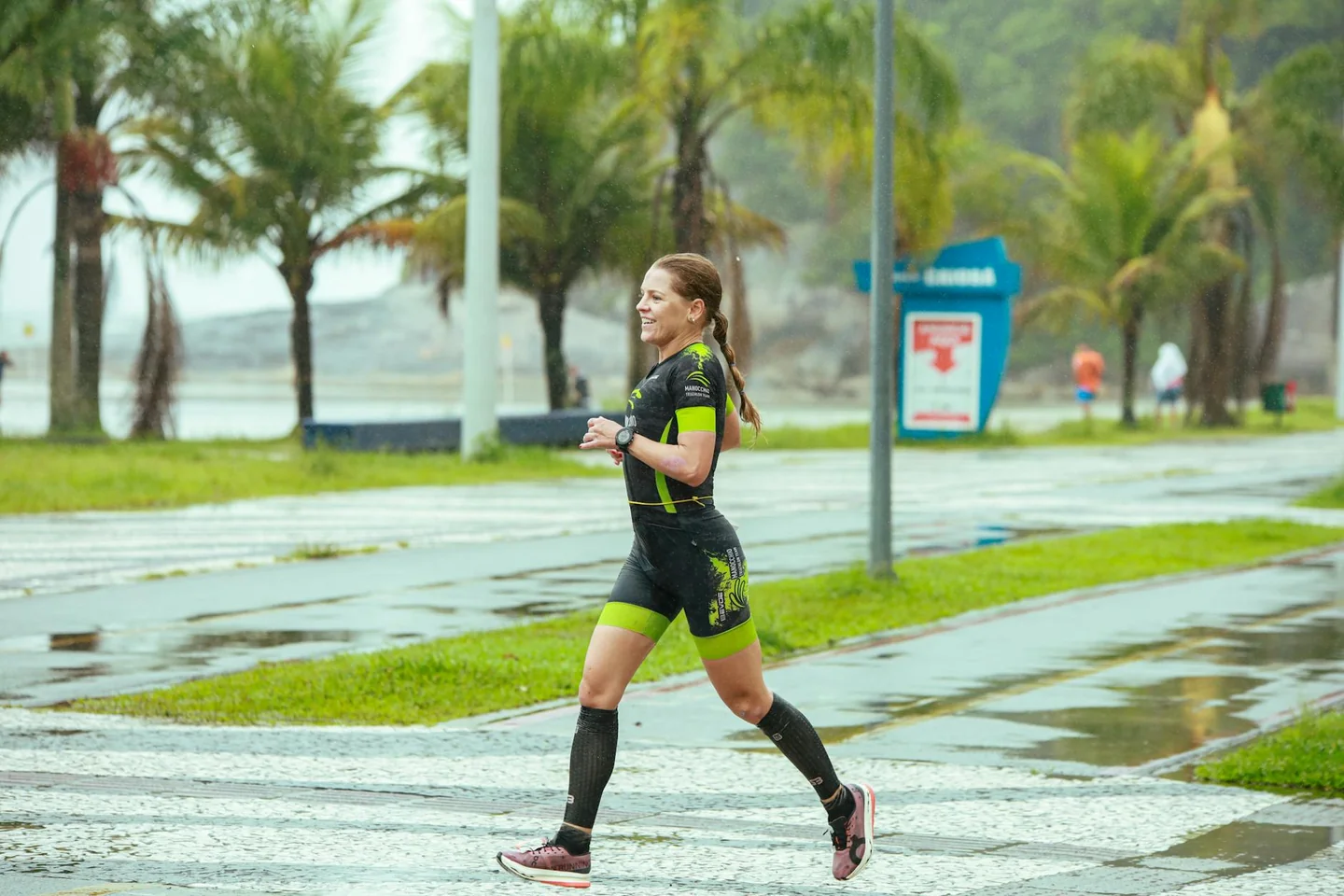
Imagen: João Godoy / Pexels
Rain does not stop the training schedule, but it does force you to choose the outer layer well. In women’s running, a garment that is too heavy ends up sticking to the body like a damp tarp; one that is too light lets water and wind through at the worst possible moment. The right choice moves between those two extremes, and that is where the rain jacket designed for running comes in: lightweight pieces, with an athletic fit, technical fabric and details that make the difference when the sky closes in.
The current market is no longer limited to a simple barrier against water. Collections made specifically for female runners combine waterproofing, breathability, ventilation and visibility, with prices in Spain moving roughly from 70 to 280 euros depending on the technical level. Models such as those from Salomon, Nike, adidas Terrex, Mizuno, Nnormal or The North Face show that a good rain garment can be almost invisible in the stride and, at the same time, protect reliably in urban training, road outings and trail days.
What really changes when running in the rain
The most common mistake is to confuse a rain coat with a running garment. The difference is not just in thickness. A rain jacket for running must allow freedom in the shoulders and elbows, move with the arm swing, release part of the heat and not turn into a steam bag after ten minutes. When that fails, the moisture inside ends up being almost as uncomfortable as the moisture outside, and the body cools down too early.
Catalog references show that variety of approaches very well. There are options more focused on absolute protection, like high-end waterproof models, and others designed for light rain or wind, closer to a technical windbreaker. In practice, the key is to read the real use: it is not the same to go out for a 40-minute run through the city on a day of intermittent showers as it is to face a long mountain run with persistent rain and changes in temperature. The right garment is not the most expensive by default, but the one that fits that context.
Weight also matters, because in running every gram is noticeable. A thin, packable fabric fits better in the backpack or belt, takes up less space and performs better when the rain stops. In return, it usually offers more limited protection. In the high end, more elaborate membranes, sealed closures and structures designed to withstand longer periods under water appear; in the mid-range, the balance leans toward everyday comfort, with good protection against wind and moderate rain.
Waterproofing, breathability and the figure worth looking at
The waterproof rating is not a commercial ornament: it gives guidance on how much water the fabric can withstand. In some women’s running models, the value of 3,000 mm appears, enough for light rain over short periods, while other technical jackets for trail or more demanding conditions go much higher. At the most protective end, the 20K level indicates much greater resistance to water and is usually associated with more serious, more technical and also more expensive garments.
That said, that figure should not be read in isolation. A very waterproof garment but with poor breathability can be a trap on a long run: the rain stays out, but sweat does not get out. The result is a warm, humid microclimate inside that ends up causing chafing, discomfort and a feeling of heaviness. That is why the most valued models integrate ventilation systems, mesh panels in the hood, openings in the back or fabrics that make vapor exchange easier.
Breathability is the second great pillar, even if it often goes unnoticed. On a short outing, a simple cut may be enough; in intense training, ventilation makes the difference between a bearable experience and a jacket that is too much after fifteen minutes. That is why brands like Joma, Salomon, Mizuno or adidas Terrex play with different weights, reinforcements and treatments to find that middle ground between an outer barrier and the release of body heat.
Details that separate a useful garment from a problematic one
The hood deserves more attention than it usually gets. While running, a poorly designed hood bounces around, blocks your field of vision or lets water in from the sides. The best ones include adjustment with stoppers or elastic band and, when the design is well thought out, a small visor that deflects rain from the forehead and keeps water from falling into the eyes. On windy days, that detail changes the experience completely.
Tight cuffs and a sealed closure with a waterproof zipper also matter, because they are classic entry points for water. Some models add interior covertape to reduce chafing, a useful solution when the jacket is worn over a thin T-shirt or in races with a lot of arm movement. In garments like the Joma R-Night, the approach is clear: protect without getting in the way, with a lightweight fabric, invisible zip pockets and construction that prioritizes functionality over excess.
Visibility is another decisive factor in autumn and winter, when rain usually comes with low light. Reflective elements are not an aesthetic detail, but a safety improvement. They can be discreet, almost invisible by day, and still throw back a lot of light at night or in fog. In several market references, from Nike Trail to Joma or Salomon, that reflective work appears integrated into subtle prints or in details spread across the garment to gain presence without overloading the design.
Range, price and what is actually bought at each level
Price reveals more than the brand: it explains the level of construction, protection and specialization. In the entry range, around 70 to 100 euros, you can find lighter, more versatile options, designed for moderate rain or wind. Examples such as Sporthg Twist Windbreaker, Puma Seasons Lightweight or Nike Trail Repel sit in that zone where the balance between cost and daily use makes a lot of sense for runners who train often but do not need armor.
Between 100 and 150 euros, more ambitious garments appear, with better finishes, more adjustment capacity and a more serious performance in constant rain. That is where models like Salomon Sense Aero Wind, Salomon Shkout Fly, La Sportiva Briza or adidas Terrex Agravic Windweave fit. These are garments that no longer aim only to stop the rain: they also have to breathe, pack down well and support long sessions without a feeling of stiffness.
Above 170 or 200 euros, the conversation changes and maximum protection comes into play. The case of Mizuno Trail Waterproof 20K, Salomon Bonatti Waterproof, Nnormal Trail Rain or Salomon Bonatti Pro points to runners who prioritize protection from the elements, especially in the mountains, ultras or outings where the weather can turn serious very quickly. At that level, paying more usually means better membranes, more refined seams and greater durability.
Models that are drawing the most attention in the current offer
Among the most visible references on the market, some stand out for their balance between lightness and protection. The Salomon Bonatti Waterproof has become a recurring name for its technical approach and for being available in several versions and price points, from around 118.99 euros on promotion to figures close to 199.99 euros in more complete ranges. That span gives a clear idea of how one and the same family can cover different runner profiles and uses.
Another solid option is the Nnormal Trail Rain, positioned in a high segment with a price of 220 euros, a figure that places it clearly in the more demanding part of the showcase. The Nnormal Trail Wind, at 140 euros, also points to those looking for a lighter layer for wind and drizzle. In the same orbit of very technical garments is the Salomon Bonatti Pro, which exceeds 220 euros and is aimed at a public that values performance above all else.
In the field of urban versatility and daily training, Nike and adidas offer very competitive alternatives. Nike Trail Repel appears both in a 71.99-euro version and in others above 100 euros, while the adidas Terrex Xperior 2.5 Layer Light Climaproof is around 114.74 euros on offer and 179.99 euros at the original retail price. That difference in price reflects adjustments, materials and the level of ambition of each construction, not just the name printed on the chest.
There are also interesting options from less omnipresent but well-positioned brands. Mizuno Tech Light, Ternua Thunder, Compressport Hurricane Windproof or The North Face Printed First Dawn Packable JA broaden the range for anyone looking for something more specific, from a packable garment to a model with a stronger protective vocation. The variety is wide, but the logic is the same: less weight to train freely, more structure when the weather gets complicated.
City, mountain and the type of rain that sets the pace
The use context completely changes how any technical sheet is read. In the city, rain is usually more intermittent, wind slips between buildings and body heat builds up quickly because of traffic lights, variable paces and less natural ventilation. There, lightweight, packable rain jackets with good reflectivity work very well. The priority is not to withstand hours under a downpour, but not to get soaked on a route where the intensity can rise and fall several times.
In the mountains, by contrast, the demand increases. Open terrain punishes wind more, temperatures drop easily and water can turn into a persistent fine mist or sustained heavy rain. In that scenario, garments with high waterproofing, more precise adjustments and more anatomical cuts gain importance. A model that seems enough in the city can fall short on a pass, an exposed track or a long trail run.
The difference between rain and wind, even if they sometimes overlap, is not minor. Some runners need a truly waterproof jacket; others are only looking for a windproof layer that cuts the wind chill and handles a few drops. That distinction avoids bad purchases and explains why the market offers everything from windbreakers to full waterproofs. It is not a matter of whim, but of temperature, effort duration and exposure to the environment.
How to read a label without getting lost among acronyms and promises
Technical labels speak their own language, but they are easier to understand if you separate the key ideas. Waterproof indicates impermeability; windproof, resistance to wind; packable, that the garment compresses easily; 2.5 layer, a lightweight multi-layer construction that seeks to combine protection and contained weight. Behind those words there are very specific design decisions, and each one affects the real behavior of the jacket on the body.
The full-zip closure with waterproof treatment, sealed seams and the presence of ventilated panels are not catalog whims. They are resources that respond to very specific problems: preventing leaks, reducing chafing, releasing heat and allowing the garment to remain comfortable when sweat, rain and sustained effort are added together. In running, a bad seam can have more impact than a pretty design.
It is also worth looking at the length and fit, because not all runners are looking for the same silhouette. Some garments close lower down to better protect the lower back; others shorten the hem to favor freedom of movement. In both cases, ergonomics rule. A jacket that moves well when raising the arms, twisting the torso or accelerating on a climb is worth more than another that looks more technical on the hanger but becomes clumsy in the stride.
A sensible purchase in an increasingly technical market
The best rain jacket is not always the most robust one, but the one that precisely solves the weather, distance and intensity of the workout. Those who run regularly in humid areas usually benefit from a truly waterproof piece, with a stable hood, reflectives and good ventilation. Those who go out to train in the shoulder seasons or are more comfortable with light rain may get more performance from a technical windbreaker, lighter and easier to wear all year round.
The current offer makes it clear that brands have refined the product a lot. There are garments that hover around 70 euros and others that exceed 220, but they all share a central idea: preventing bad weather from disrupting the run. The difference lies in how much room they leave for sweat, how much they weigh in the backpack and how much peace of mind they provide when the sky threatens to empty itself overhead.
In the end, choosing this garment well means accepting that running in the rain also has a method. It is not about armoring yourself as if you were heading to the Arctic, nor about resigning yourself to getting completely soaked. It is about finding an outer layer that keeps the temperature stable, respects movement and allows you to keep adding kilometers with the feeling that the weather is on your side, even when it is not.
The best decisions in technical clothing are usually the least flashy and the most practical. A fabric that dries quickly, a hood that does not bounce around, a reflective detail that shows up at night and honest breathability matter more than any eye-catching claim. In a women’s running rain jacket, that discreet combination is what separates an uncomfortable outing from a perfectly handled session, even with fine rain, crosswind and shiny asphalt under the lights.
Este artículo contiene enlaces de afiliado: si compras a través de ellos, se genera una pequeña comisión sin coste adicional para ti. Más información.



How to prevent thigh chafing: causes and real solutions

Women’s running windbreakers: seven jackets and how to choose

Do more workouts get rid of soreness? A guide for runners

Jaén Half Marathon 2026: Record 3,800 Runners Registered

Men’s short running tights: how to choose the right pair

World Triathlon confirms data breach involving medical data

Izan Edo targets podium at Miyazaki World Cup

María Pérez ranks ninth in World Athletics’ 2026 top ten

Dos Santos, Duplantis and Sawe: World Athlete of the Year finalists

San Silvestre Vallecana 2026: 42,000 places, prices and start times

 Races3 months ago
Valencia Half Marathon 2027: date and registration

 Races3 months ago
Valencia Marathon 2026: entry, ballot and course

 Reviews and Comparisons4 months ago
Asics Gel-Roadmiles 3 for men: review and current price

 Reviews and Comparisons4 months ago
Asics Gel Sonoma 8 Gore-Tex: complete analysis for trail and rain

 Sneakers3 months ago
Saucony Endorphin Pro 4: full review and verdict

 News5 months ago
Strava API 2026: what changes for clubs, challenges and runner apps?

 Reviews and Comparisons5 months ago
Nike Alphafly 3: opinions, sensations, and real key points

 Reviews and Comparisons4 months ago
Under Armour running shoes review 2025-2026: models and key features

 Sports Equipment4 months ago
Shoe sizes in cm: a clear guide to getting the right fit for your footwear

 Sneakers3 months ago
Skechers GO RUN Consistent 2.0 analysis: comfort and limits

 News5 months ago
Valencia Marathon 2026 route: key tips to train and run better

 Sneakers4 months ago
Adidas Adizero Boston 13 for men: review and verdict