

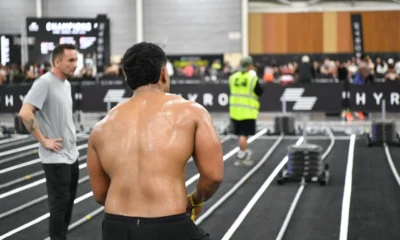

The combination of running and strength is gaining ground: this is how a solid base is built to compete with more control and less wear and...
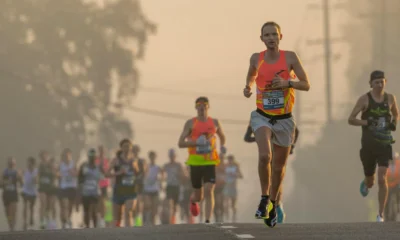

Practical keys for training in high temperatures, taking care of hydration, and choosing the best times, clothing, and routes.
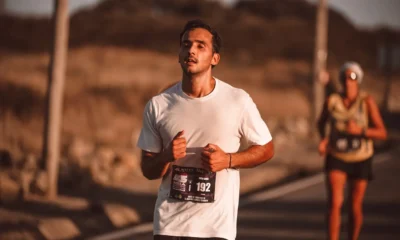

The heat forces you to adjust schedules, pace, and hydration in order to prepare for 42 kilometers without increasing the risk of fatigue or injury.
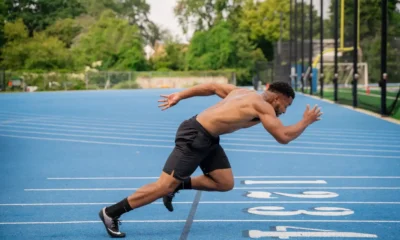

A clear guide to quality repetitions: paces, rests, goals, and the most common mistakes when training them.
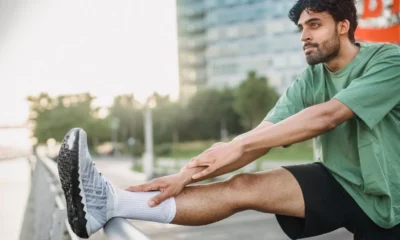

Light movement can speed up the return to normal after a hard effort, without adding fatigue or stiffness.


Discover how Garmin interprets your daily energy, what charges it or drains it, and how to make the most of its data.

Both help with weight loss, but the energy expenditure, the impact, and adherence change a lot from one option to another.


Heat can help you recover better, tolerate high temperatures, and take care of the cardiovascular system, but it’s not a good idea to improvise.


The body needs days and sometimes weeks to recover after 42.195 km. These are the key timeframes and signs.


Sleeping well speeds up recovery, protects against injuries, and sharpens the mind in training and competition.
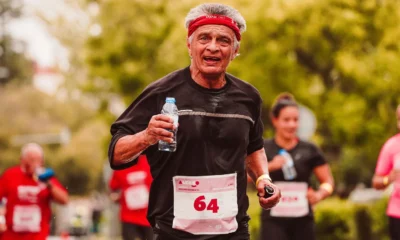

Starting to run in later life can be a great decision, but it requires judgment, progression, and medical supervision.


Aerobic capacity has become a key health marker: measurement, useful ranges, and relationship with survival.


