



An updated selection of apps to log runs, follow plans, and get the most out of every outing with more data and less noise.


AI already fine-tunes plans, measures fatigue, and analyzes data in running, but it does not replace human judgment or sensations.


AI already suggests plans and adjustments, although it doesn’t always get them right. These are its real uses and its limits when running.
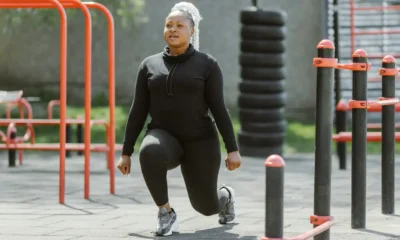

More power, better technique, and fewer overloads: the physical foundation that changes how a runner runs.


Well-applied strength improves stride, reduces injuries, and makes it possible to sustain high paces with less wear and tear.
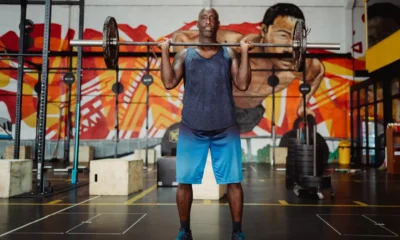

Well-chosen strength improves your stride, protects your joints, and helps you sustain high paces with less wear and tear.


A complete guide to improving stability, efficiency, and control with useful, well-explained exercises.


Hip stability influences stride, fatigue, and the risk of discomfort.
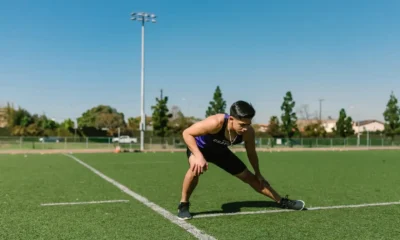

Well-trained calves provide drive, stability, and a lower risk of discomfort while running.


Leg and hip strength makes a difference when running: technique, variations, and mistakes worth avoiding.


Weights, core, and mobility well integrated can make 42K preparation more efficient and protect the legs.


What does the science say, when they can help after intense effort, and what precautions should be kept in mind.


