Health and Nutrition
Big toe pain when running: causes and warning signs
Stabbing pain, tingling, or a needle-like sensation in the big toe: common causes, warning signs, and when it’s a good idea to seek medical advice.

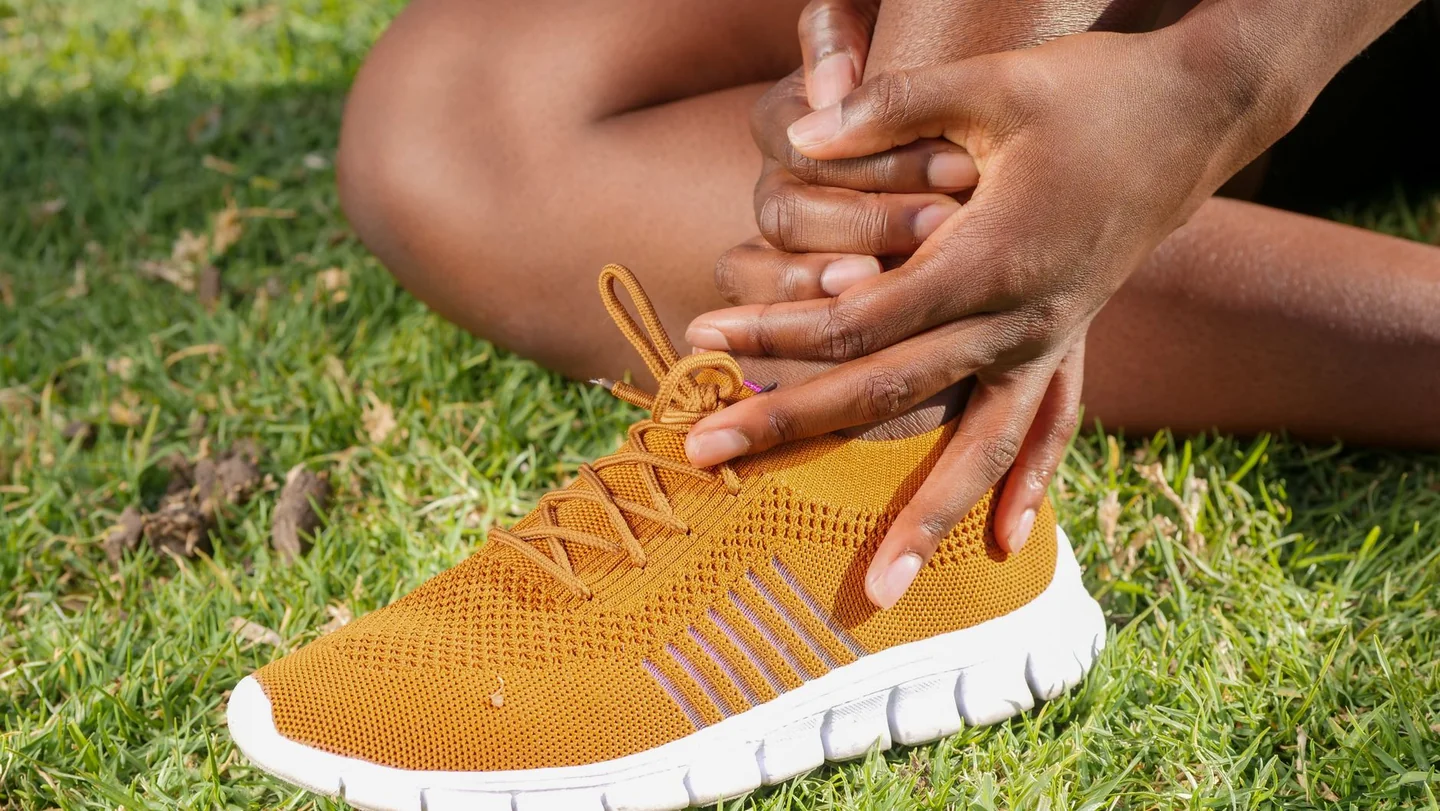
Stabbing sensations in the big toe often occur when a nerve is irritated, a joint is compressed, or the tissues in the forefoot are put under strain. For runners, the discomfort may be a passing warning caused by rubbing or pressure, a sign of overuse or altered foot mechanics, or, in some cases, a medical problem that needs attention. There is no need to panic, but it should not automatically be dismissed as normal.
The key is how it presents. If the pain is brief, appears only when putting on shoes or after a long effort, and goes away with rest, it usually points to friction, compression, or local inflammation. If, on the other hand, it keeps returning, is accompanied by numbness, color changes, stiffness, or loss of strength, it is worth looking beyond simple rubbing. In running, the big toe is an essential hinge in the stride, and any alteration there is noticed quickly, like a stone in a fine mechanism.
What lies behind those twinges
The big toe bears a lot of load in the final phase of the stride, when the foot propels the body forward. That is why a small mechanical issue can turn into a sharp, localized, and very annoying sensation. Sometimes the origin is in the skin, other times in the nail, the metatarsophalangeal joint, an irritated nerve, or a bone that is receiving too much repeated pressure.
In simple terms, the body protests when something squeezes, rubs, or becomes inflamed. It may be due to tight footwear, a toe box that is not generous enough, an insole that concentrates load on the first ray, a running technique that overloads the forefoot, or even a session that is too long in the heat. In Valencia, where hot pavement and long runs often come together, this kind of discomfort is not uncommon in summer.
The twinge does not always start in the toe itself. Sometimes the problem comes from higher up: stiff ankles, tight calves, limited mobility in the big toe, or a gait that does not distribute weight well. The pain then appears as the last visible link in a chain of compensations. The runner feels it in the big toe, but the cause may be in the overall mechanics of the foot and leg.
The most common causes in runners
The nail and the skin are the first suspects when the pain is superficial. Repeated rubbing can cause a traumatized nail, a small subungual hematoma, or thickened skin that hurts when bearing weight. Corns under the big toe or near the head of the first metatarsal can also create a stabbing sensation with every stride, especially on long runs or races with more heat than expected.
Another common cause is sesamoiditis, an inflammation of the sesamoid bones located beneath the base of the big toe. It is typical when load is concentrated too much in that area, for example in runners with a heavily used forefoot, sudden changes in training volume, or shoes that do not distribute pressure well. The pain is usually felt just under the toe, as if there were a hidden stone in the sole.
Arthritis or stiffness of the big toe, generally known as hallux rigidus when mobility is clearly reduced, can also cause twinges or sharp pain when pushing off the ground. The body tries to compensate for that lack of mobility and ends up overloading other structures. In practice, the stride becomes shorter, stiffer, and less efficient, like a door that no longer opens all the way.
Hallux valgus, the well-known bunion, does not always hurt only because of the visible deformity. The deviation of the toe changes the space inside the shoe, encourages rubbing, and can irritate nearby soft tissues and nerves. In some runners, the twinge appears after training in tight shoes or after hours on their feet, when inflammation takes hold.
When the nerve gets involved
Pain that feels like a needle prick or an electric shock usually points to nerve irritation. In the big toe, this can happen because of local compression, inflammation of nearby tissues, or a problem that carries sensitivity from the foot or leg. The sensation shifts from the typical muscular ache to something drier, briefer, and sharper, like a stab that switches the area on and off.
One possibility is peripheral neuropathy, although in healthy runners it is not usually the most common cause. It should be considered if there is persistent tingling, numbness, a burning sensation, or loss of sensation, especially if it affects both feet or is accompanied by other symptoms. Diabetes, heavy alcohol use, certain infections, or autoimmune diseases can lie behind this type of nerve damage.
Another clue is entrapment irritation. A small nerve can become compressed by inflammation, repetitive loading, or an anatomical structure that leaves it little room. In sports, these problems usually worsen with effort and improve with rest, though they do not always disappear completely. When the twinge is electric, comes and goes, and repeats in the same spot, there is more reason to watch it carefully.
The impact of footwear and technique
Shoes that are too narrow can turn an easy run into a pressure trap. The toe box should leave real room for the big toe so it is not crushed as the foot swells during exertion. With heat, the foot also increases slightly in volume and friction multiplies. What seemed acceptable in the morning can become a line of stabbing pain by kilometer 15.
The choice of model matters, but so does the fit. An overly tight closure, a cleat placed unfavorably in cycling, an excessively aggressive insole, or a tongue that shifts the load can all alter foot strike. In running, a shoe that forces the toe to work harder than it should during push-off can trigger discomfort in the joint and the sole of the foot.
Technique also leaves its mark. Runners with strong forefoot propulsion, ankle stiffness, or limited hip mobility may end up relying on the big toe as their main lever. That repeated motion is like using the same hinge over and over until it tires: it does not fail immediately, but one day it protests. In long races, that protest can appear sooner if fatigue, heat, or elevation gain are added.
Injuries and conditions that should not be overlooked
Not every twinge is just a minor mechanical annoyance. A crack, a stress fracture in the first metatarsal, or joint inflammation can begin with localized pain and an innocent appearance. In runners, overuse injuries do not always announce themselves dramatically; sometimes they start as a needle-like pain that appears with weight bearing and disappears after a while, until it stops going away.
Circulatory problems can also play a role, although they are less common as an isolated cause of big toe pain. When the toe changes color, becomes cold, feels numb, or is accompanied by noticeable swelling, the situation deserves closer monitoring. Raynaud’s syndrome, for example, can narrow blood vessels and alter sensation in the toes, especially with cold or stress.
There are symptoms that require seeing the bigger picture. If the twinge is accompanied by stiffness in the neck or pain that travels up the leg, if there is loss of strength, or if the pain extends beyond the foot, the source may not be limited to the forefoot. Neurological changes and some spinal conditions can also cause distal symptoms, although this is not the most common scenario in a young, healthy runner.
What can relieve it without hiding the problem
The first relief usually comes from removing pressure. Loosening the shoes, switching to a roomier toe box, checking the position of the insole, or reducing training load for a few days is usually more sensible than continuing to force the symptoms against the pavement. In many cases, the pain lessens when the movement that triggers it stops being repeated.
Repeated friction can also improve with more technical, thinner, or more breathable socks, depending on foot shape and the shoe. The material matters more than it seems: a poorly placed seam or fabric that traps moisture can worsen the problem at the end of a long run. On hot days, the foot needs a less hostile environment, not armor.
When the twinge is related to local inflammation, relative rest and a temporary reduction in impact are usually reasonable measures. The goal is not to immobilize systematically, but to give the tissues room to calm down. In runners, continuing to train through intense pain often turns a small warning into a much costlier injury.
Ice can help in acute phases if there is inflammation or overuse, always with caution and without applying cold directly for too long. On the other hand, if the symptom is clearly nerve-related, with burning or numbness, superficial relief may be limited and the focus should be on the cause. The useful step is to observe what makes it worse and what makes it better, because pain speaks a fairly specific language.
When it is reasonable to seek medical advice
Persistence is the deciding factor. If the twinge lasts several days, appears on every run, wakes you at night, or worsens over the weeks, a clinical evaluation is advisable. The same applies if there is swelling, redness, local heat, visible deformity, or difficulty bearing weight normally. The big toe is small, but its functional importance is enormous.
Consultation is even more important if there is numbness, loss of sensation, or color changes, because those signs point to possible nerve or vascular involvement. In runners with diabetes, neurological history, prior foot surgery, or pain after a blow, caution should be greater. A symptom that always repeats in the same spot deserves an explanation, not just patience.
Sometimes a physical examination is enough to guide the issue. Other times imaging, a gait assessment, or a more detailed study of forefoot mobility is needed. There will not always be a serious injury behind it, but the correct diagnosis prevents the classic mistake of treating as a simple blister what is really a structural overload.
What to do if your big toe hurts when running
The big toe plays an important part in pushing off at the end of each stride, so a sharp sensation can change how you land and lift your foot. Notice when it starts: while putting on your shoes, in the first few minutes, on hills, or near the end of a long run. Record whether it returns at a similar distance and whether it settles when you stop. Surface discomfort may coincide with rubbing or pressure; pain under the base of the toe may be more noticeable during push-off. These clues can help describe the problem, but they cannot identify its cause on their own.
Before your next run, check that the toe box gives your big toe room and look for seams, creases, a shifted insole, or wear that could create pressure. Make sure your toenails are not hitting the inside of your shoes. If the pain begins during a run, slow down or stop rather than forcing your way through. Avoid making a sudden change to your stride to compensate, and do not keep adding distance to “test” the foot. If the discomfort settles, return with an easy, shorter run and see how the toe feels during the session and afterwards.
If the sensation keeps returning, worsens, or changes the way you land, pause the runs that bring it on and seek advice from a healthcare professional, particularly if it persists at rest. Get it assessed if you also notice numbness, loss of strength, marked stiffness, or a change in colour. In the meantime, do not use pain relief or a brief rest simply to mask a recurring problem: being able to finish a race does not mean the foot is tolerating the load well. Build back towards your usual distance and intensity gradually, paying attention to how the toe responds.
What the pain is telling you when it appears while running
The body rarely warns for no reason. A twinge in the big toe can signal that the stride is loading the front of the foot too much, that the shoe does not match the shape of the foot, or that a specific structure is asking for rest. In endurance runners, hearing that signal in time often saves weeks of discomfort.
It is also worth understanding that the discomfort is not always solved by a single change. Sometimes there is a combination of small factors: heat, increased mileage, tight shoes, limited mobility, and a slightly irritated toe base. The combination is what ignites the problem, like several dry sparks on parched ground.
The big toe is the starting point of the run and the last contact with the ground. That is why any failure there is felt throughout the body. When the stab appears, the runner not only feels pain; they also change the way they run, even if almost imperceptibly. And that compensation, repeated over and over, eventually takes its toll on the calf, knee, or hip. The local warning can be the beginning of a bigger problem if it is ignored for too long.
In sport, the difference between a passing ache and a persistent injury usually lies in the early response. Looking at the footwear, reviewing the load, and observing whether the pain is accompanied by tingling, swelling, or loss of support provides more information than any gesture of resignation. The big toe does not ask for the spotlight, but when it stabs, it is usually saying something important.
Medical reference: Toe pain, NHS.



How to prevent thigh chafing: causes and real solutions

Women’s running windbreakers: seven jackets and how to choose

Do more workouts get rid of soreness? A guide for runners

Jaén Half Marathon 2026: Record 3,800 Runners Registered

Men’s short running tights: how to choose the right pair

World Triathlon confirms data breach involving medical data

Izan Edo targets podium at Miyazaki World Cup

María Pérez ranks ninth in World Athletics’ 2026 top ten

Dos Santos, Duplantis and Sawe: World Athlete of the Year finalists

San Silvestre Vallecana 2026: 42,000 places, prices and start times

 Races3 months ago
Valencia Half Marathon 2027: date and registration

 Races3 months ago
Valencia Marathon 2026: entry, ballot and course

 Reviews and Comparisons4 months ago
Asics Gel-Roadmiles 3 for men: review and current price

 Reviews and Comparisons4 months ago
Asics Gel Sonoma 8 Gore-Tex: complete analysis for trail and rain

 Sneakers3 months ago
Saucony Endorphin Pro 4: full review and verdict

 News5 months ago
Strava API 2026: what changes for clubs, challenges and runner apps?

 Reviews and Comparisons5 months ago
Nike Alphafly 3: opinions, sensations, and real key points

 Reviews and Comparisons4 months ago
Under Armour running shoes review 2025-2026: models and key features

 Sports Equipment4 months ago
Shoe sizes in cm: a clear guide to getting the right fit for your footwear

 Sneakers3 months ago
Skechers GO RUN Consistent 2.0 analysis: comfort and limits

 News5 months ago
Valencia Marathon 2026 route: key tips to train and run better

 Sneakers4 months ago
Adidas Adizero Boston 13 for men: review and verdict