News
Swollen feet when running: why it happens more in summer and what to do now
Bloating after running is usually mild and temporary, although sometimes it points to overexertion, heat, or injury.

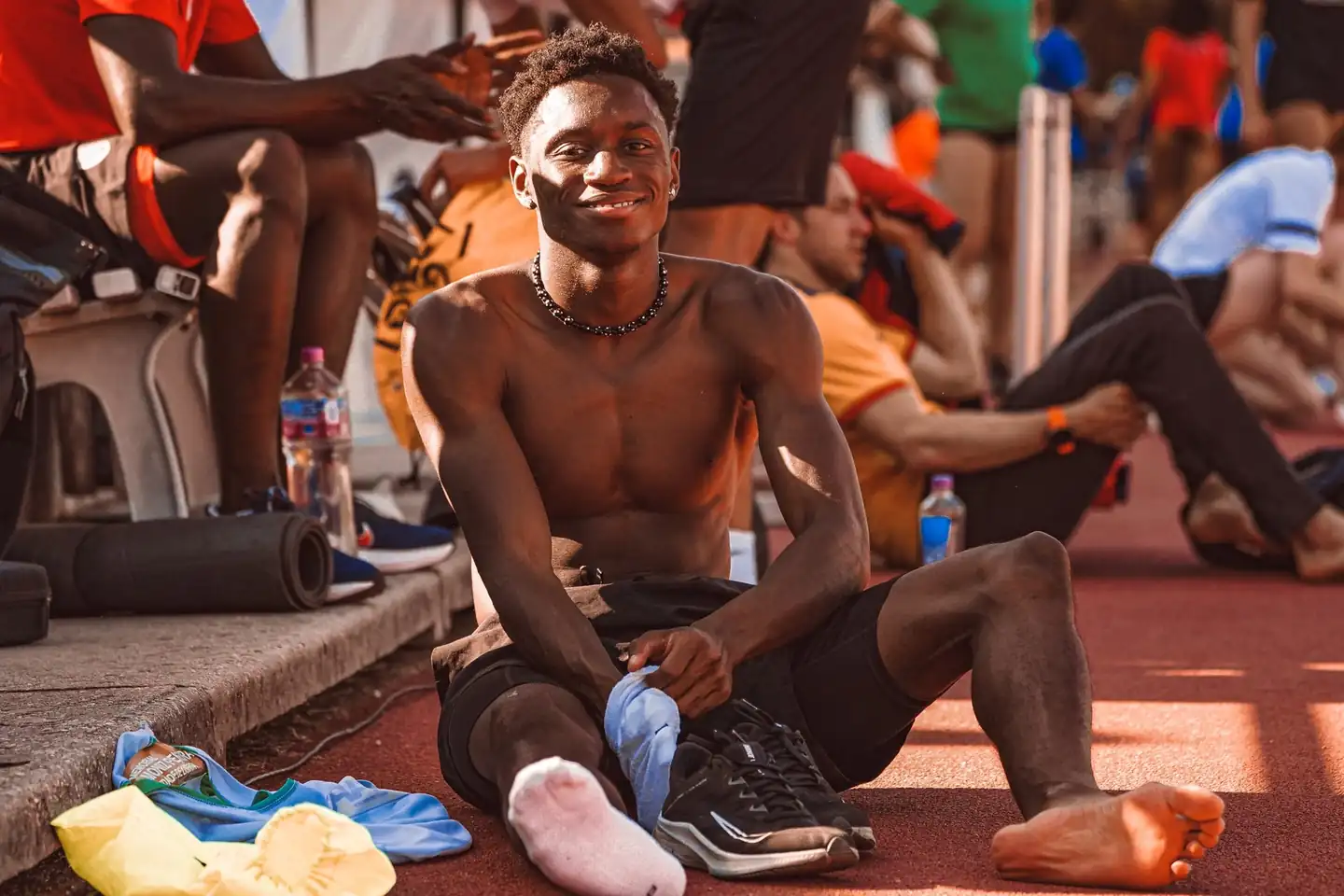
Taking off your shoes after a long run and noticing that your foot feels wider, the skin marked by the sock or a slight pulse on the instep is a common scene in running. In most cases, that swelling is the result of a temporary phenomenon: the body sends more blood to the legs, retains some fluid and reacts to the repeated impact of each stride. The discomfort usually eases with rest, hydration and a proper cool-down.
Not all swelling, however, deserves the same reading. When the increase in volume appears with intense pain, localized heat, redness, persistent numbness or lasts longer than expected, it is worth thinking about an injury, a circulatory problem or an overload that has already crossed the line of simple fatigue. In the runner, the foot is a small piece that bears an enormous load: that is why any change in its appearance matters.
Why the foot swells with effort
The foot works like a meticulous and demanding shock absorber. With every footstrike, the soft tissues absorb part of the impact, the muscles stabilize the movement and the venous system tries to return blood to the heart against gravity. In an intense or long session, that machinery can slow down a bit. The result is a temporary accumulation of fluid in the feet and ankles, a frequent physiological response that is more noticeable on hot days or when the distance goes on longer than it should.
Dehydration also makes things more complicated. If water and electrolytes are lost through sweat, fluid regulation becomes less efficient and mild swelling can appear, especially at the end. On top of that comes the repeated impact against the ground, which produces micro-irritations in muscles, tendons and the plantar fascia. A major injury is not needed for the tissue to suffer; sometimes a sum of small jolts is enough, as if the foot had been walking on fine gravel for hours.
Footwear influences more than it seems. A narrow toe box, laces that are too tight or shoes with little ventilation compress the foot exactly when it needs space the most. That extra pressure can slow venous return and increase the feeling of heaviness. In runners with wide feet, a high instep or a tendency to retain fluid, the margin between being comfortable and feeling trapped is especially small.
When swelling is normal and when it stops being so
Mild, bilateral swelling that improves after a while usually fits the expected response to exercise. It is common after long runs, sessions in the heat or workouts with more elevation gain than usual. It may also be accompanied by a slight feeling of warmth, tightness and sock marks that gradually disappear. In that scenario, the body is warning that it has worked, not necessarily that something has broken.
The concern changes tone when the picture is asymmetrical or painful. One foot more swollen than the other, a very tender specific area, a clear limitation when putting weight on it or swelling that does not go down at rest point to another kind of problem. It may be a sprain, a metatarsal overload, irritation of the Achilles tendon, plantar fasciitis or even a stress fracture. The difference lies in the detail: benign edema behaves like a cloud that comes and goes; an injury stays put.
There are also signs that deserve medical attention without delay. Intense redness, marked heat, fever, night pain, loss of sensation, color change or the inability to walk normally do not fit with a simple training response. In people with vascular history, diabetes, kidney problems or episodes of thrombosis, caution should be even greater. Running is a healthy activity, but it does not make everything that appears after running harmless.
The most common discomforts in runners
The front part of the foot usually pays part of the bill. The metatarsus bears much of the pressure with each footstrike, especially at faster paces, changes of surface or interval sessions. That is where many pains begin that the runner locates in the ball of the foot, at the base of the toes or along the outer edge of the foot. Sometimes it starts as a simple discomfort and ends up becoming metatarsalgia that forces you to stop.
The heel does not get off scot-free either. The Achilles tendon, the plantar fascia and the calcaneal insertion work as a chain, and when one of those points is overloaded, the rest compensates. That compensation can create morning stiffness, pain when starting to walk or a feeling of tightness that gets worse after running. In many runners, the first warning is not a clean pain but a mix of fatigue, burning and clumsiness when lifting the foot off the ground.
The nails and skin also tell the story of the effort. Downhills, excess friction or a shoe that is too small can trigger black toenails, blisters or chafing that make the swelling feel worse than it really is. A swollen foot inside a tight shoe is like a hand trying to close inside a wet glove: everything rubs, everything squeezes and every millimeter feels like too much.
What to do right after finishing a run
The first useful measure is to let the foot slow down. Walking for a few minutes, taking off your shoes calmly and elevating your legs helps promote venous return. Keeping your feet above heart level for 10 to 15 minutes can relieve the feeling of heaviness quite a bit, especially if the session has been long or the heat intense. It is not a spectacular gesture, but it is a very effective one.
Cold can be an ally when the swelling is mild and recent. A brief cold bath or local application of cold wrapped in a cloth helps reduce the feeling of congestion. There is no need to turn it into an extreme experience; a prudent cooling is enough, especially if there is discomfort in the heel, instep or sole. The goal is not to freeze the tissue, but to calm it.
Gentle movement also has its role. Moving the ankles, opening and closing the toes or walking slowly for a few minutes prevents the foot from staying immobile and loaded. Sometimes the idea of total rest is misleading: the body appreciates a smooth transition between effort and rest. A foot that cools down suddenly and stays still for hours can feel stiffer than one that has had an orderly exit from work.
What habits reduce swelling before going out for a run
Prevention starts long before the first kilometer. Proper hydration throughout the day, not just right before training, helps the body manage fluids better. In long sessions or in the heat, replacing sodium and other electrolytes can also be useful, because the problem is not always drinking less, but losing more than is replaced. The runner who sets off with an empty tank usually pays the bill at the end.
Choosing the right shoe is a biomechanical decision, not an aesthetic detail. The last should leave room in the toe box so the toes can spread on impact. A size that is too tight compresses the foot exactly when it increases in volume during exercise. Breathability, stability and cushioning appropriate to body weight, terrain and type of training also matter. A model designed for fast intervals is not always suitable for a long road run.
Socks deserve more credit than they usually get. A thick fabric, an annoying seam or a cuff that squeezes can make the feeling of swelling worse. Technical materials, well fitted but not restrictive, help wick away sweat and reduce friction. It seems like a minor detail, but in a race every layer counts: the foot does not distinguish between a small flaw and a four-hour irritation.
The importance of footstrike and training load
Many runners look for the cause only in the foot and forget the whole picture. The way you run, cadence, footstrike technique and training progression directly influence how loads are distributed. A sudden increase in volume, more intervals than usual or a week with too many hills can turn a minor discomfort into a persistent problem. Tissue adapts slowly; the runner’s schedule, often, far too quickly.
Biomechanics can also explain why one foot swells more than the other. Excessive pronation, ankle stiffness, an inefficient arch or a subtle difference in support alter the distribution of pressure. You do not need a major deformity to overload the same area every time. Sometimes the clue is left by uneven wear on the sole, or by the habit of slightly twisting one hip with every stride.
Insoles can be useful in specific cases, but they are not a universal fix. When there is a clear support alteration or repeated overload in specific points, a well-designed correction can relieve pressure and distribute impact better. Even so, the origin of the problem matters more than the accessory. An insole does not, by itself, correct too many kilometers or replace the recovery the tissue needs.
Injuries that can hide behind persistent swelling
Plantar fasciitis usually gives very recognizable clues. Pain appears on the sole of the foot, especially near the heel, and usually gets worse when getting up or after sitting for a while. In runners, inflammation can begin after weeks of increased load or because of shoes that are already worn out. If the fascia also loses elasticity, every step becomes a small tightened cord.
Achilles tendinitis usually concentrates the discomfort in the back of the ankle. It may feel stiff when starting, hurt when going up stairs or be tender when pressing the area. If the tendon is irritated, swelling can spread to the heel and give the false impression that the problem is in the whole sole. In reality, the origin is a little higher up, where the main cable is under too much tension.
Metatarsalgia and stress fractures deserve special care. Localized pain in the front of the foot, which worsens with impact and does not fully improve with brief rest, may be warning of a bone overload. In that case, continuing to train as if nothing were happening usually makes the picture worse. Bone does not always break suddenly; sometimes it first cracks in silence, through sheer persistence.
It is also worth thinking about the toes and the runner’s nail. An inflamed bunion, an ingrown toenail or a subungual hematoma can cause swelling and pain that the athlete attributes to training in general. The key is to locate the exact point and observe whether there is rubbing, pressure or a change in color. The foot speaks with small but very specific signs.
How to care for the foot in the hours and days that follow
Real recovery usually starts when the workout ends. Sleeping enough, alternating easy sessions with load days and not chaining hard efforts without room to breathe helps prevent swelling from becoming chronic. Muscle and fascial tissue need time to reorganize. Running without rest may seem like discipline; in reality, it is often accumulated noise.
Massaging the sole with a ball or a small roller can relieve tension. The gesture is not magic, but it improves the perception of stiffness and can help local circulation. Gentle stretches for the calves, soleus and plantar fascia also help, always without chasing pain. The idea is not to force the foot into silence, but to let it recover the range it lost because of the load.
If the swelling lasts more than 48 hours or happens frequently, it should no longer be normalized. An isolated episode after a hard workout may be part of the landscape; several episodes in the same area mean that something in the load, the footwear or the mechanics is not fitting well. Insisting on the same symptom is like keeping on tightening a jammed zipper: at first it gives, then it breaks.
The most common mistakes that make the problem worse
The most frequent mistake is to minimize the body’s warning. Running with a clearly swollen, tight or painful foot usually does not solve anything. On the contrary, it can turn a temporary response into a bigger injury. Another common mistake is to remove the problem entirely from the equation and blame only the heat, as if temperature explained everything. Heat matters, but it is rarely the only culprit.
It is also a stumble to run again in the same worn-out shoe. When the midsole loses its ability to absorb shock, the foot receives more impact and more vibration. If the last has also already deformed, pressure concentrates where it is least convenient. An old shoe does not always hurt in the moment; sometimes it keeps charging interest run after run.
Another delicate point is using laces that are too tight. For some runners, loosening the instep slightly makes the difference between finishing with a numb foot or finishing with a real sense of space. The fit should hold, not strangle. A well-laced shoe is not necessarily a tight shoe; that distinction, simple on paper, is often forgotten a minute into the run.
A common symptom that deserves a careful reading
Swelling after running is common, but not trivial. It says a lot about accumulated load, temperature, hydration, material choice and each foot’s ability to recover. In some runners it remains a seasonal anecdote; in others, it is the first warning that training is going beyond what the tissue can tolerate. Listening to it in time avoids weeks of stopping later on.
The difference between fatigue and injury is not always visible in the locker room mirror. That is why it matters to observe how long the swelling takes to disappear, whether the pain changes when putting weight on it, whether the area is hot or whether the discomfort repeats the next day. Running rewards consistency, but punishes blindness. A foot that swells repeatedly is not asking for heroics; it is asking to be understood.
Understanding that language allows you to keep running with more margin and fewer surprises. Sometimes the remedy is a better size, a less ambitious run, drinking better or resting an extra night. Other times, a more clinically significant injury needs to be ruled out. In both cases, the useful fact is the same: the foot does not swell on a whim, but because it is responding to something that should be read carefully.
Este artículo contiene enlaces de afiliado: si compras a través de ellos, se genera una pequeña comisión sin coste adicional para ti. Más información.



How to prevent thigh chafing: causes and real solutions

Women’s running windbreakers: seven jackets and how to choose

Do more workouts get rid of soreness? A guide for runners

Jaén Half Marathon 2026: Record 3,800 Runners Registered

Men’s short running tights: how to choose the right pair

World Triathlon confirms data breach involving medical data

Izan Edo targets podium at Miyazaki World Cup

María Pérez ranks ninth in World Athletics’ 2026 top ten

Dos Santos, Duplantis and Sawe: World Athlete of the Year finalists

San Silvestre Vallecana 2026: 42,000 places, prices and start times

 Races3 months ago
Valencia Half Marathon 2027: date and registration

 Races3 months ago
Valencia Marathon 2026: entry, ballot and course

 Reviews and Comparisons4 months ago
Asics Gel-Roadmiles 3 for men: review and current price

 Reviews and Comparisons4 months ago
Asics Gel Sonoma 8 Gore-Tex: complete analysis for trail and rain

 Sneakers3 months ago
Saucony Endorphin Pro 4: full review and verdict

 News5 months ago
Strava API 2026: what changes for clubs, challenges and runner apps?

 Reviews and Comparisons5 months ago
Nike Alphafly 3: opinions, sensations, and real key points

 Reviews and Comparisons4 months ago
Under Armour running shoes review 2025-2026: models and key features

 Sports Equipment4 months ago
Shoe sizes in cm: a clear guide to getting the right fit for your footwear

 Sneakers3 months ago
Skechers GO RUN Consistent 2.0 analysis: comfort and limits

 News5 months ago
Valencia Marathon 2026 route: key tips to train and run better

 Sneakers4 months ago
Adidas Adizero Boston 13 for men: review and verdict