Health and Nutrition
What to take for muscle soreness after running
Drinks, foods, and habits that help reduce muscle pain after running and recover faster.

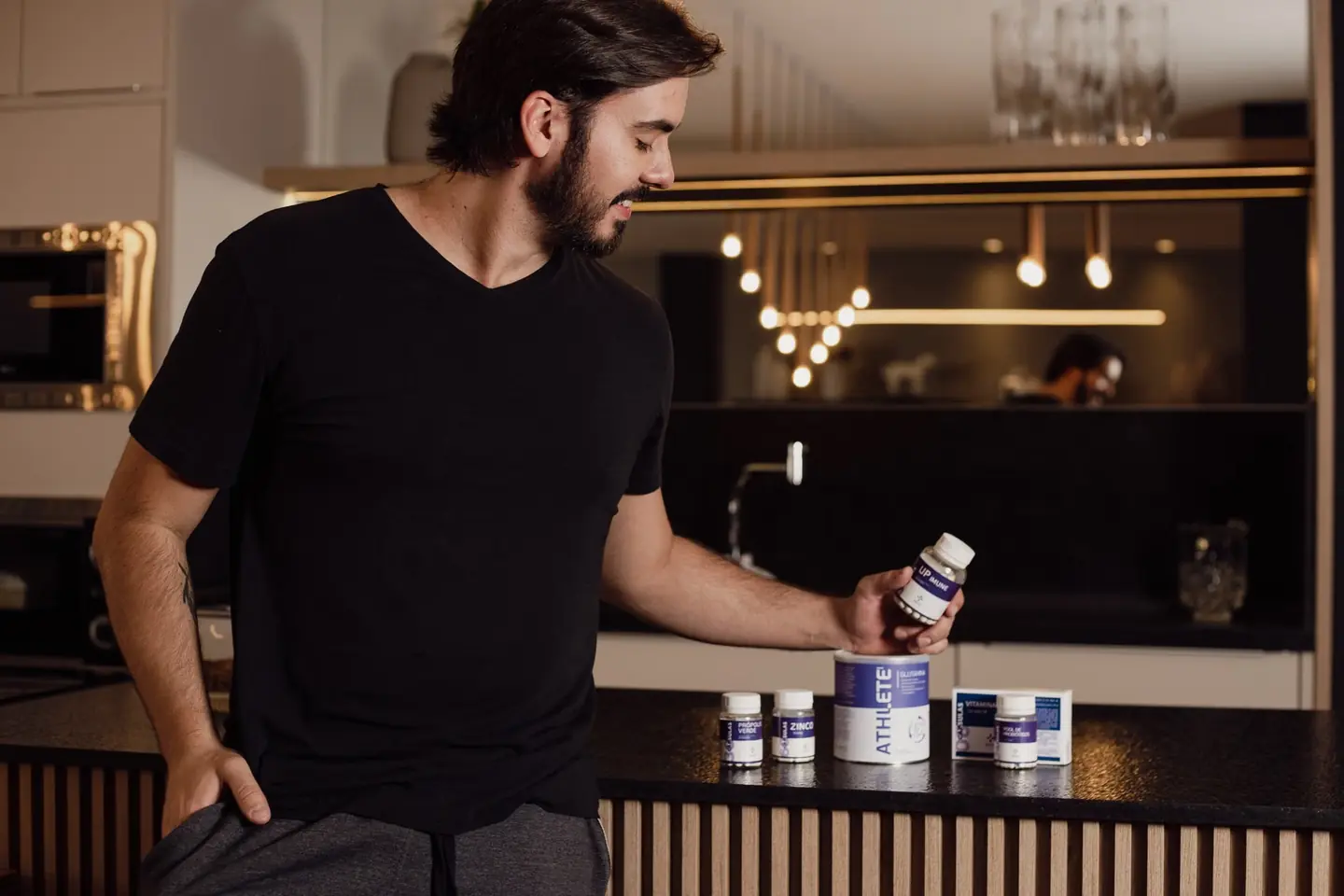
Muscle soreness won’t disappear with a miracle drink. After a run or a hard session, a combination of good hydration, replenishing energy, getting enough protein and easing off in your next workout can help. Delayed-onset muscle soreness usually peaks between 24 and 72 hours; proper recovery matters more than any quick fix.
The key is understanding what to drink so you don’t get muscle soreness in the practical sense of the phrase: it is not about completely erasing the feeling of muscular work, but about reducing its intensity and shortening recovery. In running, that nuance matters a lot, because poor replenishment after a long run, intervals, or a race can turn normal fatigue into discomfort that lasts longer than necessary.
What really changes muscle recovery
Muscles do not repair themselves with water alone. After exertion, they need amino acids, glycogen, and fluids to rebuild tissue and recover function. That is why the most useful strategies are not exotic: they are simple, repeatable, and very down-to-earth. A meal or snack with carbohydrates and protein within the two hours after exercise is usually a solid foundation for replenishing what has been used up.
For runners, the difference between getting home dry and getting home shattered is noticeable in what is consumed for the rest of the day. If a long run empties energy stores, the body takes longer to become operational again. Drinking milk or yogurt, simple smoothies, fruit, bread, rice, oats, or electrolyte drinks can help more than any showy remedy. Recovery starts on the plate, but also in the glass.
A very useful everyday guideline is to prioritize water, sodium, carbohydrates, and protein. There is no need to make it complicated: if the session was short and easy, eating normally and drinking as needed will be enough; if it was long, hot, or high-impact, replenishment should be more intentional. That is where many people go wrong, especially when they confuse fatigue with simple dehydration.
What to drink after running
The most effective option is often the most boring one: water. After a normal workout, drinking regularly until your urine returns to its usual color and your thirst subsides is enough in most cases. When the effort has been long or very sweaty, water alone may fall short, because it does not replace lost minerals, especially sodium.
Electrolyte drinks make sense when there has been heavy sweating, heat, or several hours of activity. They are not magical, but they do help rehydrate better than water alone in certain contexts. A runner who finishes with a soaked shirt and a dry mouth benefits more from a salt-containing drink than from a sugary or caffeinated solution without a real need for it.
There is also room for everyday options such as milk, chocolate milk, or drinking yogurt, which provide fluid, protein, and carbohydrates in a single serving. That combination is especially useful after hard workouts or double sessions. In endurance sports, this kind of simple recovery often works better than chasing sophisticated products that promise too much and deliver too little.
What to eat so muscle soreness is less severe
Carbohydrates replenish the fuel that has been lost. If the body finishes a race with little glycogen, recovery becomes slower and the feeling of heavy legs lasts longer. That is why easy-to-digest foods such as rice, potatoes, bread, fruit, pasta, or oats work so well. They do not eliminate soreness on their own, but they do help the muscle have what it needs to rebuild.
Protein makes the difference when the goal is tissue repair. Eggs, Greek yogurt, fresh cheese, milk, legumes, fish, or chicken provide the amino acids needed for muscle synthesis. After an intense session, combining protein with carbohydrates is usually more useful than taking just one thing. It is the pairing that tells the body it can start repairing now.
In practice, a runner can recover with a simple omelet sandwich, a bowl of yogurt with fruit and oats, rice with tuna, or a milk-and-banana smoothie. There is no need for a solemn formula; what is needed is for intake to happen in time and to be sufficient. The idea of eating perfectly ruins more recoveries than it fixes.
Foods and drinks worth examining closely
Not everything sold as recovery actually speeds up the return to normal. Very sugary drinks with no added value, unnecessary supplements, and products with poorly timed caffeine do not solve the underlying problem. They may provide a brief feeling of energy, but they do not repair the muscle or replace the water that has been lost.
Alcohol does not help either. It can worsen hydration, interfere with sleep, and delay muscle repair processes. After a race or a long workout, having beer or drinks is not a recovery strategy; it is more like a quick way to add an obstacle to what the body is already trying to do on its own.
It is also wise to avoid very heavy meals immediately after exertion. Slow digestion competes with recovery and can leave that brick-in-the-stomach feeling that helps neither rest nor the next day’s workout. Better a sufficiently nutritious but easy-to-tolerate intake than a binge with the idea of making up for what was lost.
What to take before running to arrive with less damage
Prevention starts before putting on your running shoes. Arriving at a session with empty stores, little fluid, and a poor breakfast increases fatigue and can leave more muscle damage at the end. Eating sensibly before running does not prevent all soreness, but it does reduce the likelihood of ending up with overworked legs.
A simple mix of carbohydrates and some fluid is usually enough. Banana, toast with jam, oats, yogurt, isotonic drink for long sessions, or a piece of fruit with bread can work well, depending on the time and type of workout. The goal is not to run heavy, but to arrive with enough energy so that the effort does not become a huge debt afterward.
In long races or demanding runs, taking something before and, if appropriate, during exercise can also limit the perceived damage at the finish. Well-distributed energy protects better than excess heroics. The body suffers more when it works without fuel than when it receives discreet, timely help.
Which supplements make some sense and which do not
The recovery industry lives on flashy promises. However, the most useful supplements for recreational runners are usually the least glamorous: protein powder when it is hard to reach the daily amount, electrolyte drinks in hot conditions or during long efforts, and caffeine only when it fits the sporting goal and is well tolerated. Beyond that, the real room for improvement is usually modest.
BCAAs, collagen, or easy-marketing anti-inflammatory products are not the universal answer. Some may be useful in specific contexts, but they do not replace a sensible diet or good rest. The problem of muscle soreness is not solved with a prestige pill; it is managed with recovery, coherent training load, and sufficient nutrition.
It is worth being skeptical of labels that promise an express return to performance. If a product seems to solve everything, it probably solves little. For the average runner, the most worthwhile improvement is still sleeping well, hydrating, eating with purpose, and not chaining hard sessions together as if the muscle were indestructible.
Habits that relieve more than any prepared product
Rest remains the great silent medicine. Sleeping 7 to 9 hours, reducing load after a hard workout, and moving gently the next day has more impact than many trendy products. Recovery does not happen in the supplement, but in the time the body has to adapt.
Walking, moving the legs gently, or doing very easy jogging can ease the feeling of stiffness. The point is not to force a new session, but to stimulate circulation and prevent the muscles from staying completely still. In runners, that light movement usually works better than absolute rest when the pain is mild.
Massage, a warm shower, mobility work, and gentle stretching can provide a sense of relief, even if they do not erase the underlying muscle damage. They work like a pressure release valve: they do not repair the engine on their own, but they make the process more bearable while the body catches up.
Why soreness appears and why it does not always mean poor preparation
Soreness often appears after new, intense efforts or work with a lot of eccentric loading. In running, that happens, for example, on long downhills, changes of pace, fast intervals, or returning to training after several days off. The pain does not necessarily indicate an injury, but it does mean the muscle has received a stimulus it was not used to.
Hydration and nutrition matter, but they are not the only factors. Cumulative load, lack of sleep, technique, footwear, surface, and adaptation level also count. That is why two runners can do the same session and end up with completely different feelings. The body does not respond in series; it responds according to its recent history.
Understanding this helps avoid simplistic solutions. Not having soreness does not always mean you trained better, and having it does not mean you did a bad job. What matters is that the pain does not become disabling or last longer than normal. That is where well-planned recovery makes the difference.
When to stop thinking about soreness and look at something else
Some pains do not fit the usual soreness pattern. If the pain is very localized, appears with noticeable swelling, limits weight-bearing, changes the way you run, or is accompanied by clear weakness, then it is no longer just a simple response to exertion. In that case, the problem may be a more serious overload or an injury that needs assessment.
Normal muscle pain usually improves over the course of a few days. If it gets worse, does not ease, or keeps coming back too easily despite moderate training, it deserves a checkup. For runners, normalizing any discomfort as if it were just part of the sport is a bad habit. The body warns before it breaks; it is worth listening.
The difference between an expected discomfort and a real warning usually lies in how it evolves. Soreness goes down, settles, and gives way to normality. When that does not happen, the problem is no longer what to take, but what is happening beneath the surface.
What to drink and how to recover after a run
After an easy run, drinking water when you’re thirsty and eating your usual meals is generally enough. After hard intervals, a long run or a race, give recovery more thought: replace fluids and have foods containing both carbohydrates and protein. Fruit with yoghurt, bread with eggs, or milk with cereal are simple options; you don’t need a special product. If you’ve sweated heavily, run in hot weather or exercised for a long time, a drink with electrolytes may help replace fluids and salts.
Food and drink can support recovery, but they won’t make soreness vanish. Delayed muscle soreness can develop after exercise and may peak between 24 and 72 hours. During that period, adapt your training to how you feel: swap intervals or hills for an easy run, rest or gentle activity if your legs feel very heavy. Don’t follow a hard workout with another equally demanding session if your stride or running form is affected.
Pay attention if discomfort changes how you run, gets worse rather than better, is very localised or lasts longer than expected. Not every post-run pain is ordinary muscle soreness. Rest, good sleep and gradually building your training load are also part of recovery. If pain or other symptoms persist, speak to a healthcare professional.
The useful answer, without embellishment
To reduce soreness, the most useful thing is to drink water, replace salts if there has been a lot of sweating, take carbohydrates, and add protein in the hours after exertion. Add rest, enough sleep, and a gradual return to load. There is no need to chase spectacular remedies to find relief; you need to give the body what it actually uses to repair itself.
In running, smart recovery is worth as much as the training done on the asphalt. A good session without adequate replenishment leaves a bigger bill than necessary, while sensible recovery softens the impact and shortens the road back. The formula does not make headlines, but it works: hydrate, eat, sleep, and pace yourself.
Soreness is part of the landscape when effort rises to the next level, but it does not have to become a punishment. What to take so you don’t get sore is not a potion, but a sequence of small, well-adjusted decisions. And in sport, that kind of decision often matters more than any shiny promise.
Medical reference: Post-workout muscle soreness, Cleveland Clinic.



How to prevent thigh chafing: causes and real solutions

Women’s running windbreakers: seven jackets and how to choose

Do more workouts get rid of soreness? A guide for runners

Jaén Half Marathon 2026: Record 3,800 Runners Registered

Men’s short running tights: how to choose the right pair

World Triathlon confirms data breach involving medical data

Izan Edo targets podium at Miyazaki World Cup

María Pérez ranks ninth in World Athletics’ 2026 top ten

Dos Santos, Duplantis and Sawe: World Athlete of the Year finalists

San Silvestre Vallecana 2026: 42,000 places, prices and start times

 Races4 months ago
Valencia Half Marathon 2027: date and registration

 Races4 months ago
Valencia Marathon 2026: entry, ballot and course

 Reviews and Comparisons4 months ago
Asics Gel-Roadmiles 3 for men: review and current price

 Reviews and Comparisons4 months ago
Asics Gel Sonoma 8 Gore-Tex: complete analysis for trail and rain

 Sneakers3 months ago
Saucony Endorphin Pro 4: full review and verdict

 News5 months ago
Strava API 2026: what changes for clubs, challenges and runner apps?

 Reviews and Comparisons5 months ago
Nike Alphafly 3: opinions, sensations, and real key points

 Reviews and Comparisons4 months ago
Under Armour running shoes review 2025-2026: models and key features

 Sports Equipment4 months ago
Shoe sizes in cm: a clear guide to getting the right fit for your footwear

 Sneakers3 months ago
Skechers GO RUN Consistent 2.0 analysis: comfort and limits

 News5 months ago
Valencia Marathon 2026 route: key tips to train and run better

 Sneakers4 months ago
Adidas Adizero Boston 13 for men: review and verdict