News
Lightweight running backpack: commuting to work without wrecking your back
Keys to choosing a comfortable, stable, and useful model without overloading yourself on every outing.

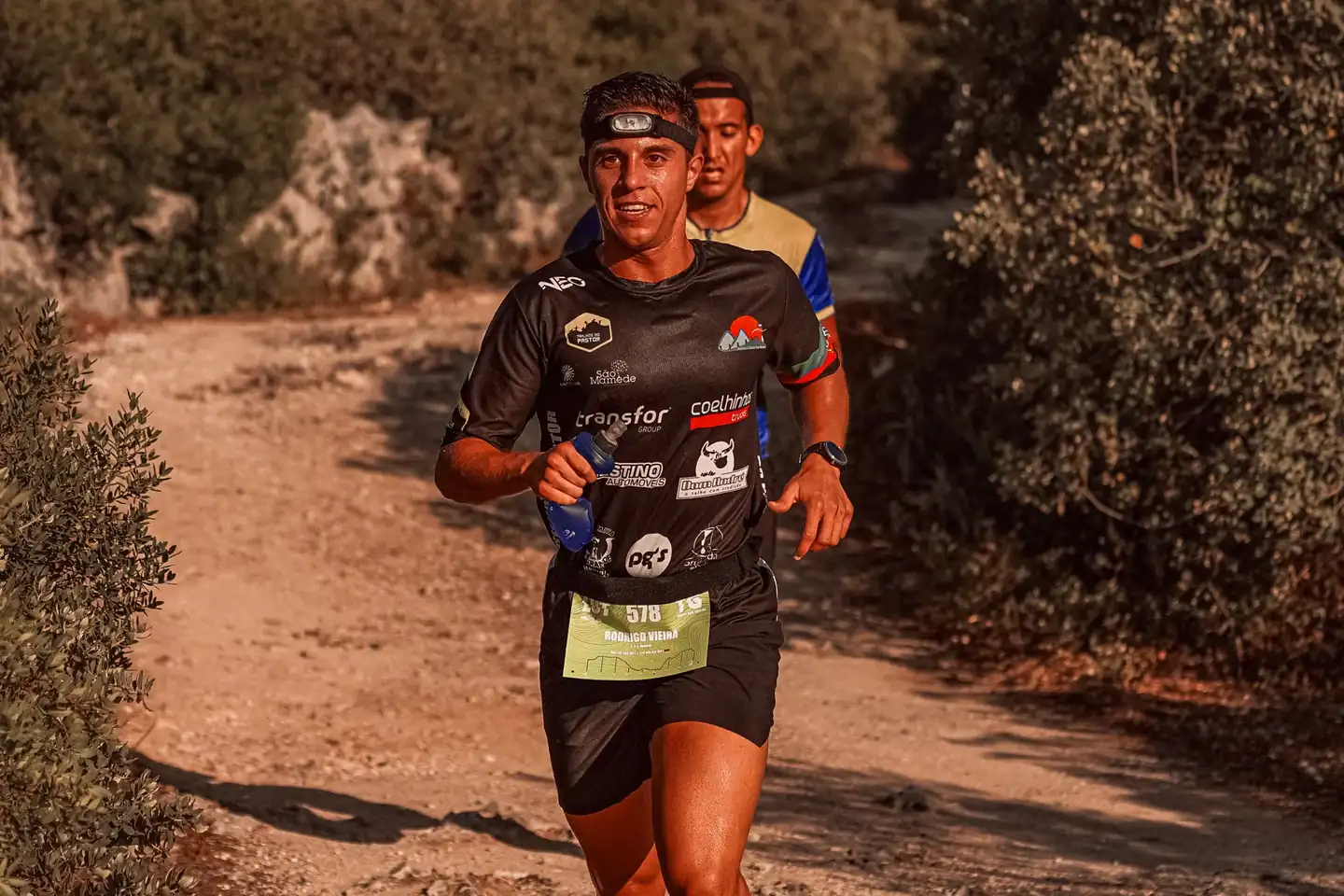
Imagen: RUN 4 FFWPU / Pexels
The lightweight running backpack has become almost invisible when it is well chosen: it goes with you, it doesn’t get in the way. On short outings, long runs or mountain training sessions, its value is not in carrying a lot, but in carrying just enough with stability, quick access and without that sway that breaks your stride. The most in-demand models today usually range between 1.5 and 6 liters in regular use, although there are larger options for those who need a bit more autonomy or mandatory gear.
The current market reflects a clear idea: the less it weighs and the less it bounces, the better you run. Prices also tell a useful story for the buyer. In the stores analyzed, hydration vests and backpacks appear from around 10.35 euros in entry-level models, between 25 and 40 euros in much of the popular offer, and above 70 euros in technical proposals from brands like Salomon or CamelBak. That range helps make it clear that you don’t always need to pay more, but you do need to know what you’re giving up in return.
The balance between lightness, stability and what you actually carry on your back
A running backpack is not measured only by its empty weight. Two models marked at 180 and 250 grams can behave very differently if one keeps the load close to the torso and the other lets the contents bounce around. In practice, what matters is the sum of fabric, fit, usable volume and pocket distribution. A 5-liter vest can feel faster than a minimal backpack if it hugs the body better; on the other hand, a very light model that doesn’t fit well ends up feeling like a loose bag on your back.
Capacity is the other big filter. For city training, intervals or one-hour runs, 2 to 5 liters is often enough, with room for a phone, keys, gels, a soft flask and maybe a thin windbreaker. For short trail runs or more demanding middle-distance outings, 5 to 6 liters has become a very common sweet spot. For longer distances, some runners look at volumes of 10 to 12 liters or even more, especially when they need to carry a headlamp, thermal blanket, extra nutrition or poles.
The usual mistake is to think about liters first and stride second. A backpack that is too big for a short outing can be unnecessary even if it is barely loaded; one that is too small for a technical race can force you to cram the essentials in uncomfortably. The editorial and practical goal is another one: for the backpack to disappear from the runner’s mind while running, as if it were a second skin with pockets.
What the best-selling models offer and why the same names keep showing up
The Amazon and specialty-store offer overlaps in several product families. On one side there are budget vests from 10 to 20 euros, with a large share of sales centered on lightweight, reflective and adjustable designs. On the other, more complete backpacks appear between 25 and 40 euros, with 1.5 to 2-liter reservoirs, several front pockets and some useful detail like a whistle or phone holder. And in the higher range, technical models from Salomon, Raidlight, La Sportiva or The North Face dominate, with more refined adjustments and higher-quality materials.
Review numbers help read the market with more nuance. Among the products observed there are references with hundreds or thousands of ratings, like certain hydration vests that go beyond 4 stars and accumulate more than 400 or even several thousand reviews. That doesn’t make a product perfect, but it does suggest that it performs well in a combination that is quite valued: reasonable fit, little bounce and a price-to-performance ratio that works for most recreational runners.
A clear split can also be seen between urban use and mountain use. The simpler backpacks, with 5 liters and one or two soft flasks, are designed for running light. The more versatile ones accept 1.5 to 3-liter bladders, have quick-access pockets and in some cases include pole attachment. That is where the line between backpack and vest becomes blurred: the body feels a technical vest, while the store labels the product as a hydration backpack.
Fit matters more than the number of liters
The best lightweight running backpack is the one that doesn’t move when the pace picks up. This is achieved with well-designed chest straps, elastic closures or side adjustments that hug the torso without squeezing. The reference models offer sizes or adjustment systems designed so that the weight sits high and close to the center of gravity. The closer the load is carried, the less it bounces and the less it punishes posture on descents or pace changes.
Breathability also makes visible differences while running. Mesh panels, perforated fabrics and designs that free the shoulder blades are not minor details; in Valencia’s summer, for example, a back that vents well can turn a humid, hot outing into something much more bearable. High-end models use soft fabrics and body mapping in specific areas to distribute sweat and avoid chafing on long runs.
The fit feels different depending on each runner’s build. There are unisex vests that work very well on most bodies and others with a cut designed for women, especially in the chest design and pocket distribution. What matters is not the label, but that the whole setup allows you to breathe, twist your torso and go down stairs or trails without the contents hitting you. In a well-made backpack, the phone doesn’t rattle, the bottles don’t bounce and the headlamp doesn’t sink into the fabric like dead weight.
Hydration: soft flasks, reservoir or a mix of both
The choice of water system usually decides what kind of outing a backpack is good for. 500 ml soft flasks are the most visible solution in many lightweight backpacks: they’re quick to drink from, easy to refill and don’t take up much space when empty. Bladders or reservoirs, on the other hand, range between 1.5 and 3 liters in the most common models and let you drink through a tube, which is useful when the runner wants to minimize interruptions.
Reservoirs provide autonomy, but not always the best user experience. In very dynamic races or fast outings, many runners prefer to have the water in front and within reach, without relying on a tube. Soft flasks, for their part, have gained ground because they compress as they empty and leave less dead space. In several models observed, the hybrid solution is the most appealing: two front flasks and rear space for a bladder of up to 1.5 or 2 liters.
The practical decision depends on terrain and duration. For a short route with aid stations or a controlled run, two soft bottles may be enough. For mountain terrain, heat or stretches with little water, a reservoir gives you more margin. In a mixed scenario, where road, trail and some elevation are combined, the most appreciated backpack is usually the one that accepts both setups. That flexibility explains part of the commercial success of many 5-liter vests.
Materials, visibility and small details that end up mattering
The right fabric reduces weight and extends service life. The most common backpacks in this segment are made of polyester or nylon, sometimes with breathable mesh and tear-resistant zones. In practice, that means the product has to withstand sweat, rubbing and the occasional unexpected downpour without feeling soaked for hours. Some references are advertised as waterproof or water-resistant, although it’s best to understand that as basic protection, not a total barrier against heavy rain.
Reflective elements are not decoration on a backpack meant for running at dawn or dusk. A strip on the front, a reflective logo or a visible seam improve the runner’s visibility when the light fades. The difference may seem small in a store, but on the road or on a poorly lit service lane it matters much more than an extra pocket. The same goes for the emergency whistle, a simple accessory that appears in several models and adds safety without adding much volume.
Well-placed pockets are worth more than exaggerated raw capacity. A phone compartment you can reach without taking off the backpack, a gel pocket or a key pocket avoid interruptions. There are also models with pole attachment, helmet netting or compartments that separate wet clothes. They are modest, almost domestic details, but they make a lightweight backpack work like a precise tool instead of a generic container.
What runners usually pay and what they get in return
The current price range helps distinguish three very clear tiers. At the bottom are the ultra-cheap models, around 10 to 15 euros, which are good for getting started or for occasional use. In the middle are options between 18 and 35 euros, where there is a very broad offer of vests with reservoirs, included flasks or a greater number of pockets. And above that, between 68 and 95 euros or more, come the references from established brands with better finishes, fine-tuned fit and greater perceived durability.
The price difference doesn’t always mean more liters, but less friction with the body. A 74.83-euro model, for example, can compete with a cheaper one because it offers a more stable compression system, better ventilation and cleaner access to hydration. By contrast, a 29- or 33-euro backpack may be enough for many runners who train on flat ground or do moderate trail. The real value is in how much of that technology is actually felt in motion.
The most repeated brands are not dominant by chance. Salomon appears consistently in comparisons thanks to a mix of comfort, fit and range variety; CamelBak maintains prestige in ultradistance; Raidlight, La Sportiva, NNormal, Compressport or The North Face bring solutions closely tied to technical trail running. In the entry-level range, by contrast, stores mix emerging brands and generic models that compete with a simple promise: do the essentials without emptying your wallet too much.
What kind of outing a backpack like this works best for
Short and medium distances are its natural terrain. On a one-hour workout, a run on trails or a popular race with changing surfaces, a well-designed lightweight backpack provides autonomy without punishing posture. It also fits short trail runs, mountain marathons with reasonable aid stations or sessions where it makes sense to carry an extra layer, some nutrition and your phone.
In ultras and technical routes, the logic of the gear changes. From there on, the backpack stops being an accessory and becomes part of the sports survival plan: water, salts, headlamp, thermal blanket, windbreaker, nutrition and, sometimes, poles. In that context, a 5-liter vest can fall short if the runner doesn’t recalculate their gear. That is why many 10- to 12-liter models make sense when race rules require more load or when self-sufficiency is the priority.
For asphalt, the balance tilts toward discretion. Not everyone needs a hydration backpack to run in the city, but there are long workouts, very hot days and dawn outings where it does pay off. In that case, a compact, reflective option with a couple of front pockets usually beats any bulkier solution. It’s the same principle as in quality gear: the less you notice it, the more you appreciate it.
How to read a product sheet without getting lost among liters, flasks and acronyms
Commercial labels often mix total capacity and hydration capacity. It’s worth distinguishing between the usable liters of the vest and the liters of the bladder or flasks. A 5-liter backpack can carry, in addition to its compartments, a 2-liter bladder or two 500 ml soft flasks. Storage capacity is not the same as liquid-carrying capacity, and that confusion explains many unfortunate purchases.
It’s also worth looking at the empty weight, not just what the photo promises. There are ultralight models of about 80 to 180 grams, others of 200 to 260 grams and some more robust ones that get close to or exceed 300 grams. It seems like a small difference, but on a long run the body feels it like a small stone in a pocket: it doesn’t bother you at first, but it’s there all the time. If you add poor adjustment to that, discomfort grows quickly.
At the end of the day, the right purchase is the one that solves a specific scenario. The runner who goes out at seven in the morning in winter doesn’t need the same backpack as someone running a night trail in summer or someone linking a mountain run with several approach kilometers. That’s why technical sheets should be read for what they are: usage clues. Liters, weight, material, phone pocket, bladder compatibility, reflectives and adjustment system form a puzzle that only makes sense when you imagine it in motion.
A small piece that says a lot about how running has changed
The spread of the lightweight running backpack tells a broader story about the sport. Years ago, carrying water was an unavoidable inconvenience; today it has become a design variable, almost like the cushioning in a pair of shoes. The modern runner wants to go farther without dragging useless weight, and the market has responded with tighter vests, more stable reservoirs and pockets designed to the millimeter.
That change has also normalized the idea of running with autonomy. It’s no longer just about going fast, but about managing heat, distance, elevation and safety with a kind of portable architecture on the torso. That’s why a good lightweight backpack doesn’t draw attention when it works well. It simply stays where it should, like a compact, firm and silent shadow, while the stride keeps moving forward.
In the final choice, real friction between product and body matters more than fashion. A simple model can be more than enough if it fits well; an expensive one can disappoint if it bounces or squeezes. Between those two extremes lies the space where everything is truly decided: comfort, access, ventilation and balance. That is where a backpack earns its place, not in the display window, but at kilometer 18, when the smallest detail is already felt in every step.
Este artículo contiene enlaces de afiliado: si compras a través de ellos, se genera una pequeña comisión sin coste adicional para ti. Más información.



How to prevent thigh chafing: causes and real solutions

Women’s running windbreakers: seven jackets and how to choose

Do more workouts get rid of soreness? A guide for runners

Jaén Half Marathon 2026: Record 3,800 Runners Registered

Men’s short running tights: how to choose the right pair

World Triathlon confirms data breach involving medical data

Izan Edo targets podium at Miyazaki World Cup

María Pérez ranks ninth in World Athletics’ 2026 top ten

Dos Santos, Duplantis and Sawe: World Athlete of the Year finalists

San Silvestre Vallecana 2026: 42,000 places, prices and start times

 Races3 months ago
Valencia Half Marathon 2027: date and registration

 Reviews and Comparisons4 months ago
Asics Gel-Roadmiles 3 for men: review and current price

 Races3 months ago
Valencia Marathon 2026: entry, ballot and course

 Reviews and Comparisons4 months ago
Asics Gel Sonoma 8 Gore-Tex: complete analysis for trail and rain

 Sneakers3 months ago
Saucony Endorphin Pro 4: full review and verdict

 News5 months ago
Strava API 2026: what changes for clubs, challenges and runner apps?

 Reviews and Comparisons5 months ago
Nike Alphafly 3: opinions, sensations, and real key points

 Reviews and Comparisons4 months ago
Under Armour running shoes review 2025-2026: models and key features

 Sports Equipment4 months ago
Shoe sizes in cm: a clear guide to getting the right fit for your footwear

 Sneakers3 months ago
Skechers GO RUN Consistent 2.0 analysis: comfort and limits

 News5 months ago
Valencia Marathon 2026 route: key tips to train and run better

 Sneakers4 months ago
Adidas Adizero Boston 13 for men: review and verdict