News
Hiking departures calendar in Madrid: routes and dates
Dates, areas, and prices of the most in-demand Madrid routes to help you choose guided tours wisely.

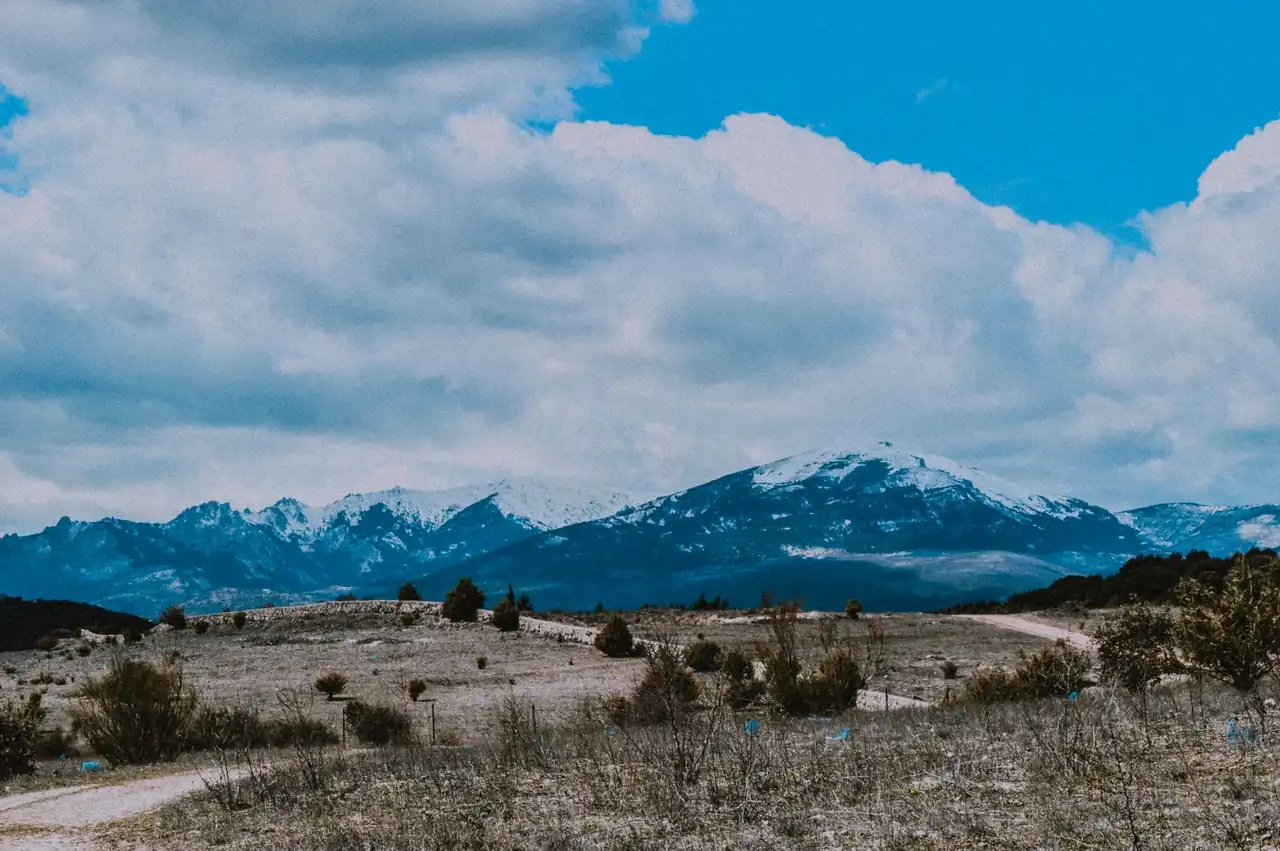
Madrid concentrates a hiking offering that is much broader than it usually seems from the city. Between the Sierra de Guadarrama, La Pedriza, the northern valleys, and the interpretive itineraries that are scheduled seasonally, the outing calendar has become the most practical way to organize getaways, compare options, and avoid improvisation. It is not just about finding a free weekend slot: level, type of terrain, duration, and, in many cases, whether the outing includes a guide, environmental education, or time with dogs also matter.
The search for scheduled outings in the Community of Madrid responds to a very specific demand: routes with predictable dates, prices, and difficulty. That format makes booking easier and allows you to choose between gentle walks, more demanding crossings, or themed experiences. In a region where weather, altitude, and visitor numbers change a lot from season to season, checking an updated calendar saves surprises and helps you read the Madrid mountain map more accurately.
An offer that changes with the season and with the mountains
The Madrid calendar does not work like a fixed catalog. In autumn, routes appear that are more sought after for the color of the landscape and the mild temperatures; in winter, nearby routes, with moderate elevation gain or less exposure, carry more weight; in spring, streams, mountain passes, and water-filled trails take center stage; and in summer, when the heat hits hard, many outings move to early hours or higher areas. The program responds to the terrain and the time of year, not just demand.
This seasonal adjustment explains why the same mountain range offers very different experiences depending on the date. La Pedriza can be a family excursion on a mild day, but it can also be a technical route if the itinerary is extended or greater elevation gain is sought. Peñalara, for its part, changes character with snow, wind, or visibility. And in other areas, such as the surroundings of Somosierra or the valleys of the Sierra Norte, the calendar often combines leisurely itineraries with geological or naturalist outreach activities. In hiking, the date is almost part of the route.
What a guided outing in Madrid usually includes
The activities published by companies and clubs are not limited to walking in a group. They usually include professional accompaniment, explanation of the surroundings, pace control, and stops designed to interpret the landscape. In some cases, transportation, specific equipment, or attention to small groups is added. In others, the outing is geared toward very specific audiences, such as families, experienced hikers, or people looking for dog-friendly routes. The real difference lies in the format, not just in the name of the activity.
There is also a clear distance between a tourist excursion and a more mountain-oriented hiking outing. The former usually prioritize accessibility, safety, and reading the environment; the latter, elevation gain, effort, and the discovery of less-traveled places. That is why interpretive routes, full-day crossings, and social walks with dogs coexist in Madrid, where group coexistence is worked on. The same verb, to walk, contains very different experiences.
In the references analyzed, the market also appears highly segmented by area and province, with a strong presence of Madrid compared with other nearby locations such as Segovia, Guadalajara, or Toledo. That predominance makes sense: the capital concentrates population, road access, and a day-trip culture. But it also creates strong competition, with many offers competing on price, schedule, and route uniqueness. For the user, that translates into more options and a greater need to compare.
Prices, fees, and what they reveal about demand
The reviewed material shows very different prices, from one-off activities costing 12 euros to guided outings at 25 euros per person and 10-session passes for 225 euros. Wider offerings are also seen with a much higher average price on marketplace platforms, where half-day outings, premium options, and experiences in other areas are mixed together. The price range says a lot about the type of customer each outing is aimed at.
In Madrid, 25 euros per outing appears as a reasonable reference for guided itineraries lasting around 1.5 to 2.5 hours, especially when there is professional supervision, group work, or an educational focus. Passes, on the other hand, lower the cost per day and point to recurring users. This difference is no small matter: it shows that part of Madrid’s hiking scene is no longer sold as a one-off activity, but as a regular, almost seasonal practice. Frequency matters as much as the route.
When comparing options, it is worth looking at what is included. A low price may correspond to a simple walk, without a guide or with few added services; a higher one may include environmental interpretation, logistics, group coordination, or special conditions. In an increasingly fragmented market, the price tag alone tells you little. What matters is understanding the relationship between duration, terrain, guidance, and logistics.
Madrid as a hiking territory: mountains, rocky landscapes, and natural corridors
The Community of Madrid has a landscape that, despite its relatively small size, offers unusual variety. The Sierra de Guadarrama sets the pace for many outings, but it is not the only protagonist. La Pedriza provides an instantly recognizable granite landscape, with trails that require attention and reward you visually at every turn; Peñalara brings high-mountain surroundings; and nearby valleys make it possible to design less strenuous routes that are more suitable for beginners. Madrid packs mountains into a small area, and that is why the calendar is always very active.
That map explains why the province consistently ranks among the most active destinations in the hiking offer. Its proximity to the capital makes half-day and full-day outings easier, while also making it possible to schedule routes of different difficulty without going too far. For anyone looking for a well-organized experience, that means something important: you can choose between accessibility, challenge, or scenic value without leaving Madrid.
In addition, the Madrid mountain range has an advantage that is not very visible in listings: it changes a lot with the light. The same trail in winter may seem sober and quiet, with gray and ochre tones; in spring, stream and meadow water make it almost liquid; in autumn, the contrast between leaves and rock gives the routes a cinematic feel. The calendar does not just organize dates; it also organizes atmospheres.
How to read the calendar without getting lost among so many options
The first useful reading is the level. Some outings are designed for beginners, while others are reserved for hikers used to steep climbs or long-distance walking. It is also worth checking the actual duration, because two guided hours are not the same as a day in the mountains, and because a short route can be more demanding than it seems if there is loose rock, mud, or constant inclines. Distance in kilometers is less misleading than the terrain profile.
The second criterion is the type of experience. Some activities are interpretive, with explanations about flora, fauna, or geology; others are social, focused on the group and shared enjoyment; others are geared toward training or continuous effort. Even within the same area, the difference in approach completely changes the outing. Not all walks seek the same result.
The third filter is logistics. Starting early or leaving mid-morning affects visitor flow, temperature, and the quality of the walk. It also matters whether there is a fixed meeting point, whether the exact location is communicated one or two days in advance, or whether the route can be modified for seasonal reasons. In Madrid, this detail is especially sensitive because of crowding in certain areas and the need to adapt the route to caterpillars, seed heads, heat, or snow. Flexibility here is a form of caution.
The footprint of dog-friendly outings and more social hiking
A growing part of Madrid’s offer includes dogs or is aimed at people looking for a guided coexistence environment. In the references reviewed, there are monthly outings where walking is combined with socialization work, stimulus control, and managing the animal’s freedom. That educational layer has changed the profile of some routes, which are no longer understood only as leisure, but as spaces to improve the relationship with the dog and to regulate behavior in a natural setting. Dog-friendly hiking has stopped being a rarity and has become a very visible niche.
The logic of these outings has also enriched the calendar because it introduces different rhythms. Before starting, there is usually a period of adjustment, then a progressive walk, and finally a calmer close. The group matters as much as the trail. This format has found its place in Madrid for a simple reason: there is demand, there is an environment, and there is an increasingly widespread culture of outdoor activities shared between people and animals. The mountains become a space for coexistence, not just passage.
For readers looking for specific dates, this type of activity shows a useful pattern: spaces are often limited and the calendar is published in batches. That means looking beyond the map and paying attention to each organizer’s notices. In such a fragmented scene, the calendar is almost an editorial agenda for the mountains. Anyone who wants to choose well needs more than a pretty route name.
Which areas of Madrid usually concentrate the most outings
The Sierra de Guadarrama remains the great magnet, but the offer is distributed among recognizable spots and secondary corridors. La Pedriza appears repeatedly because of its scenic value and the huge variety of possible itineraries. Peñalara maintains a presence because of its high-mountain character. And areas such as Guadarrama, Manzanares el Real, Cercedilla, or access points to the north of the region act as natural hubs for organizing outings. They are names that work like stations on the same mountain train.
Outside the best-known core, there are also offerings that take advantage of small peripheral gems, reservoirs, dehesa woodlands, and routes less exposed to the general public. This is another virtue of the calendar: it helps recover paths that do not always appear in the most obvious guides. That discovery value is key to understanding the success of scheduled outings. Novelty is not always about going far; sometimes it is about looking at the nearby in a different way.
Madrid also shares an influence radius with neighboring provinces that feed the same type of user. Segovia and Guadalajara, because of their proximity, appear in many related searches; Toledo also appears to a lesser extent when people are looking for weekend routes without completely leaving the scale of a day trip. The real demand map is regional, not administrative. People are not just looking for a province: they are looking for terrain, time, and experience.
What reviews and bookings really reveal
Hiking experience reviews tend to repeat three ideas: the importance of the guide, the feeling of safety, and the quality of the group atmosphere. In the assessments analyzed, comments about professionalism, appropriate pacing, and the ability to handle unexpected issues are repeated. That confirms something that is often hidden behind the price: in guided hiking, the human experience matters as much as the route.
It is also clear that verified bookings and the ability to see specific dates increase trust. Users do not just want to know where they will walk, but when, with whom, and under what conditions. That need for context explains why outing calendars work better than a simple gallery of routes. The date turns an idea into a plan.
In a setting like Madrid, where weekends fill up quickly and the mountains can be crowded, having visibility into the schedule provides a clear advantage. It does not eliminate congestion at some spots, but it does help distribute demand better and choose less predictable routes. In other words, it is not just about going out, but about going out with judgment. And that shows in the quality of the walk, the landscape, and the memory itself.
A useful calendar does not just organize dates: it organizes decisions
Interest in hiking outings in Madrid does not stem from a passing trend. It responds to a very stable combination: closeness to the mountains, a range of difficulty levels, affordable prices in many offers, and a landscape that changes enough to make returning worthwhile. That is why the calendar has become a central tool for those who want to walk without relying on improvisation. Madrid’s offer works best when it is read as an agenda, not as a showcase.
There is also a broader lesson in this way of consuming: hiking is no longer limited to the classic excursionist. Families, social groups, training enthusiasts, geology fans, people seeking silence, and those who go out with their dogs all share the same space. The calendar is the meeting point for all these layers. Madrid does not just offer routes; it offers ways of inhabiting the mountains.
In that context, the key is not to accumulate options, but to understand the differences well. A short outing, a full-day crossing, a social walk, or an interpretive experience are not exactly competing with one another. They respond to different needs and are distributed throughout the year like pieces of a mosaic. What is valuable is that the Madrid mountains still have room for all of them.
The Madrid mountains continue to set the pace of getaways
Hiking outings in Madrid are something like a social barometer: they grow when the weather helps, are reorganized when the heat is strong, and are fine-tuned when the cold arrives. Between guided offers, family routes, dog walks, and more demanding crossings, the calendar reflects a very simple reality: the mountains remain one of the region’s great leisure lungs. Demand does not fall because the landscape never runs out.
What used to be an occasional excursion has now become an almost weekly agenda for many profiles. And that is the value of the calendar: it helps organize an activity that is increasingly diverse, more segmented, and more aware of the environment. Madrid does not need to invent a mountain: it already has one, it schedules it, and it repeats it with different nuances throughout the year. Part of its appeal lies in that repetition.
The scene leaves a clear lesson: Madrid routes are measured not only by kilometers, but by date, context, and how they are experienced. Those who consult the calendar well are not just choosing an excursion; they are choosing a season, a light, and a way of walking. And in the mountains, that choice completely changes the experience.



How to prevent thigh chafing: causes and real solutions

Women’s running windbreakers: seven jackets and how to choose

Do more workouts get rid of soreness? A guide for runners

Jaén Half Marathon 2026: Record 3,800 Runners Registered

Men’s short running tights: how to choose the right pair

World Triathlon confirms data breach involving medical data

Izan Edo targets podium at Miyazaki World Cup

María Pérez ranks ninth in World Athletics’ 2026 top ten

Dos Santos, Duplantis and Sawe: World Athlete of the Year finalists

San Silvestre Vallecana 2026: 42,000 places, prices and start times

 Races4 months ago
Valencia Half Marathon 2027: date and registration

 Races4 months ago
Valencia Marathon 2026: entry, ballot and course

 Reviews and Comparisons4 months ago
Asics Gel-Roadmiles 3 for men: review and current price

 Reviews and Comparisons4 months ago
Asics Gel Sonoma 8 Gore-Tex: complete analysis for trail and rain

 Sneakers3 months ago
Saucony Endorphin Pro 4: full review and verdict

 News5 months ago
Strava API 2026: what changes for clubs, challenges and runner apps?

 Reviews and Comparisons5 months ago
Nike Alphafly 3: opinions, sensations, and real key points

 Reviews and Comparisons4 months ago
Under Armour running shoes review 2025-2026: models and key features

 Sports Equipment4 months ago
Shoe sizes in cm: a clear guide to getting the right fit for your footwear

 Sneakers3 months ago
Skechers GO RUN Consistent 2.0 analysis: comfort and limits

 News5 months ago
Valencia Marathon 2026 route: key tips to train and run better

 Sneakers4 months ago
Adidas Adizero Boston 13 for men: review and verdict