News
Men’s running jacket: buying guide and real-world use to run better
Protection, lightness and breathability: the keys to getting it right with an essential garment for windy, cold or rainy days.

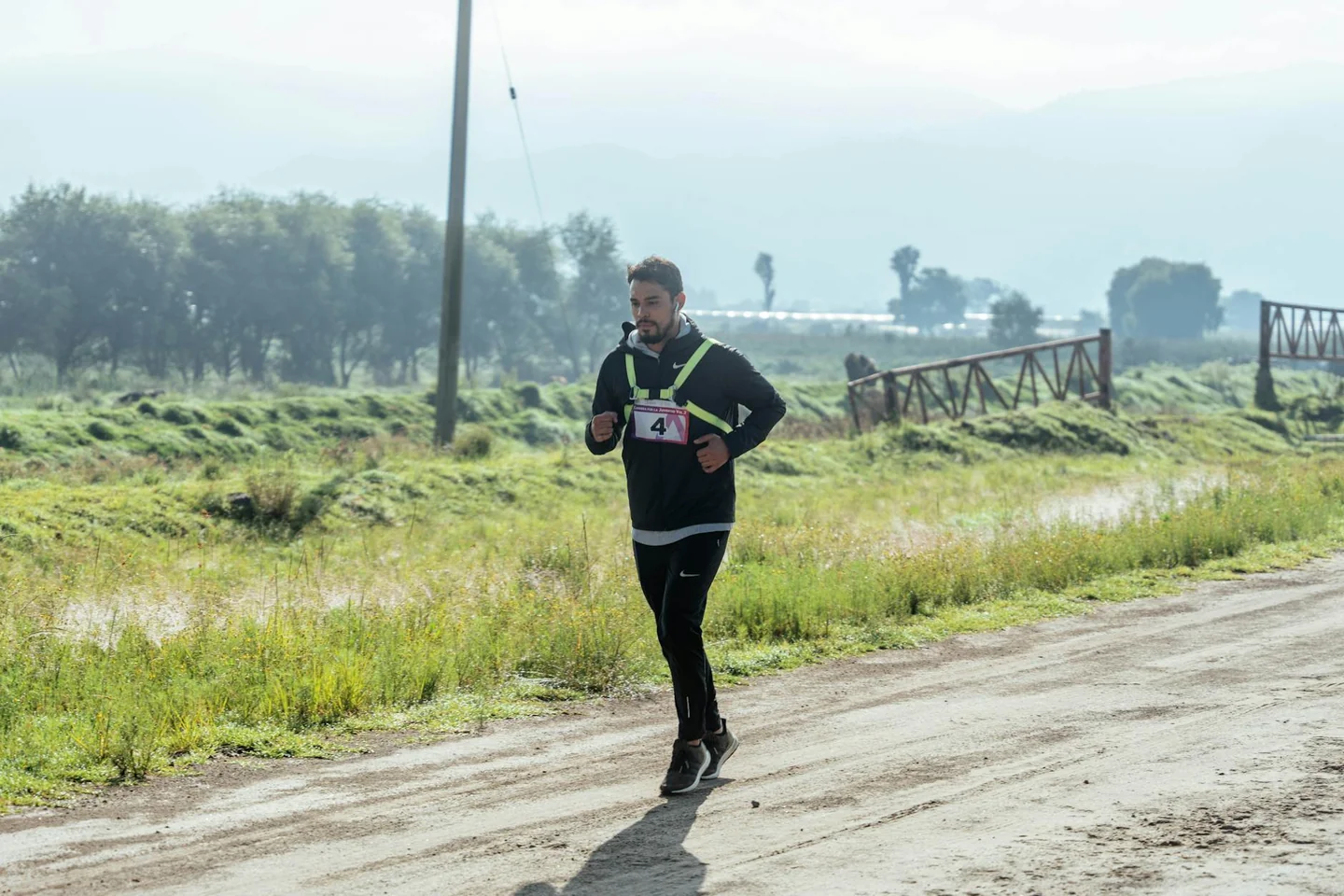
Imagen: Pexels LATAM / Pexels
The men’s running jacket stopped being a secondary garment a long time ago. On a windy coastal run, in a dawn training session, or under a fine autumn drizzle, it makes the difference between running comfortably or dragging the cold from the very first kilometer. Its job is not just to cover you: it has to protect without turning the run into a portable sauna.
The market has refined this category a lot, and today windproof models, waterproof pieces, thermal jackets, and ultralight options designed to fold up and fit in a pocket all coexist. The key is not to look for the most robust one, but the one that fits the climate, the intensity of the workout, and the time of year when it’s actually going to be used.
What a good running jacket brings
The essential difference lies in the balance between outer protection and sweat management. When the air cuts against the skin or water starts to fall, a technical layer reduces that chilling sensation, but if it doesn’t breathe well it ends up building up moisture inside. The result is an uncomfortable, treacherous effect: you set out warm and end up soaked from condensation.
That’s why the best running garments are not judged only by whether they block the wind or repel rain. The construction pattern, weight, stretch, and the speed at which they release body vapor also matter. While running, every detail is felt almost physically: a zipper that rubs, a hood that bounces around, or a fabric that sticks to the back can ruin a session that seemed simple.
Current collections usually cover several uses. There are jackets designed for easy runs in the cold, others for short intervals on windy days, and some more versatile ones that work as an outer layer in trail training or for daily commuting. That versatility has turned this garment into a basic that no longer lives locked away in the winter wardrobe.
Fabrics, membranes, and cuts that really matter
The fabric is the first quality filter. The lightest models use thin synthetic materials, with a soft feel and quick drying. The more technical ones add water-repellent treatments, perforated panels, or microperforations that improve ventilation. In higher-end garments, membranes appear that insulate from the wind and allow some vapor to escape, although it’s always worth remembering that the greater the barrier against water, the more delicate the balance with breathability becomes.
In practice, a 10K rating is usually considered waterproof in industry language, while solutions with lower resistance or a water-repellent treatment are enough for drizzle or splashes. That figure, repeated often by specialized stores, serves as a useful reference, but it shouldn’t be taken as an absolute truth: the final feeling also depends on the fit, the effort, and how long you spend exposed to the elements.
The cut matters almost as much as the membrane. A very loose jacket lets air in from the sides and can move too much with each stride. One that’s too tight restricts the shoulders and arms, something especially annoying when running in the cold and the body wants freedom to swing. Ergonomic designs, with articulated sleeves and a slightly longer back hem, usually perform better because they follow the movement without causing friction.
When to choose a windbreaker, rain jacket, or thermal jacket
On dry windy days, the windbreaker is probably the most practical option. It blocks the air current without adding too much thermal load and helps keep body temperature more stable during warm-ups, easy runs, or early-morning outings. It’s the lightest solution in the family and usually folds up easily, which makes it convenient to carry in a backpack or belt when the weather changes halfway through the route.
The rain jacket comes into play when rain stops being incidental. Its goal is to keep water away from the inner layer for a reasonable amount of time, not to turn the garment into armor. In running terms, that means looking for a model that is not only water-resistant, but also capable of releasing some moisture. If the garment seals too much, the runner will end up damp inside even if the outside stays dry.
Thermal jackets, on the other hand, respond to a different scenario: lower temperatures, cold wind, and easy or moderate-paced training. They usually incorporate brushed fabrics, denser panels, or an interior that holds heat better. They’re useful in winter, especially for those who head out early or run in open areas, but they’re not always the best choice for demanding intervals because too much warmth becomes a drawback when the heart rate rises.
Small details that change the experience a lot
In a running garment, functional details matter more than pure looks. Reflective elements, for example, are essential for low-light outings, especially on secondary roads, seafront promenades, or urban paths with traffic. They don’t turn the garment into a complete safety system, but they do clearly increase visibility from different angles.
Well-designed pockets are also valuable. A zip pocket keeps keys, gels, or a card from bouncing out with every stride. Some jackets include enough space to pack themselves into their own pocket, something very useful on changeable days. Others add an adjustable hood, a practical feature against light rain, although while running it can be unnecessary if the design doesn’t stay well anchored around the head.
Thumb loops, so common in many collections, serve a simple purpose: they help cover part of the hand and keep the sleeve in place better. They’re not essential, but they are appreciated by those who head out into the cool air in the early hours of the day. Likewise, a quality zipper, with a pull that’s easy to grab even with thin gloves, avoids small annoyances that add up when the workout lasts longer than expected.
Weight, breathability, and real use in training
Lightness is a virtue, but not always the only one. An ultralight jacket is ideal to carry without noticing it, but it can fall short on exposed routes or long sessions in cold wind. By contrast, a slightly more substantial piece improves thermal comfort, though at the cost of requiring more attention to pace and effort. The right choice usually depends more on regular use than on the most eye-catching technical sheet.
Breathability, for its part, is tested on the move. On a continuous 45- or 60-minute run, the body generates heat constantly and the garment has to manage that moisture without creating a sticky vapor layer. That’s where ventilated panels, careful seams, and less dense fabrics in strategic areas really show. A runner who speeds up for intervals doesn’t need the same warmth as someone jogging gently through a park in January.
It’s also worth thinking about the terrain. On urban asphalt, a light and visible jacket usually solves almost everything. In the mountains or on trails, wind, sudden temperature changes, and unexpected rain call for a bit more safety margin. That’s why many technical collections combine weather protection with a compact build, designed to come out of a pocket on a summit or during a long descent.
How to read the price without getting carried away by the display
The price range in this category is wide. On the market, you can find basic options for around 20 to 30 euros, mid-range models between 50 and 90 euros, and more technical garments that easily go beyond 100 euros. Price, however, doesn’t by itself guarantee a better experience: sometimes you’re paying for finishes, brand, design, or specific technologies that not every runner needs.
The useful comparison is not between cheap and expensive, but between performance and usage context. Someone who runs two or three times a week in spring doesn’t need the same investment as someone who goes out in frequent rain, races in autumn, or trains in windy areas. A highly specialized jacket can be an excellent buy for one profile and an oversized purchase for another.
Durability also matters. Reinforced seams, sturdy zippers, and fabrics that keep their shape after repeated washing usually justify the cost better than a flashy but fragile finish. In a running garment, resistance to real use matters more than the shine of the first week.
The right way to read sizes and fit
A running jacket should leave room for a technical T-shirt or a thin base layer, but without turning the body into a sail. The ideal fit lets the torso breathe, follows the shoulders, and keeps the fabric from ballooning in the wind. That’s why, before choosing a size, it’s worth thinking about the full clothing system, not just the garment on its own.
On cold days, many people combine the jacket with a base layer with long sleeves or with a technical T-shirt. If the pattern is too tight, that combination can limit elbow movement or strain the back when turning. If it’s too loose, the aerodynamic feel is lost and wind gets in through poorly protected areas. The best sign is usually a mix of comfort and control, without exaggerated looseness.
Fit also affects thermal management. A garment that seals well at the cuffs and waist holds heat better; one that opens too much at the bottom loses effectiveness. In this sense, the body speaks quickly. If after ten minutes the runner feels cold in the arms but hot in the chest, the choice probably wasn’t the most balanced for that day.
What runners usually look for in the men’s catalog
In specialized stores, demand is concentrated on versatile solutions: windbreaker jackets, waterproof models, ultralight versions, and thermal garments for winter. It’s a category that mixes sports needs and everyday use, which explains why so many brands work with discreet colors like black, navy, or anthracite alongside more visible tones like orange or green.
Style matters too, though in a different way. Many runners prefer clean, easy-to-match designs, because the jacket ends up being worn before and after training, not just during the run. In that sense, the garment has entered a hybrid space: it has to perform as technical gear and also work as an urban layer, almost like a sober extension of the usual kit.
Manufacturers have responded with collections that mix performance and usability. Some pieces are designed for road running, others for trail, and others for activities like hiking or light skiing. That range of uses is not just a commercial flourish: it reflects the fact that the modern runner usually trains in more than one context and that the same garment can accompany them at very different times of the year.
The right jacket in Spain’s climate
In much of Spain, especially on the Mediterranean coast, a running jacket is rarely used intensively all year round. Its main role comes in autumn, winter, and early spring, when wind, humidity, or light rain can change the thermal feel in just a few minutes. In areas like Valencia, Castellón, or Alicante, where the climate is usually mild but variable, versatility matters more than extreme warmth.
That context leads many runners to prioritize a light, compact garment over a heavy one. An evening run by the sea can start with pleasant temperatures and end with damp air seeping through the T-shirt. A jacket that’s easy to carry and pull out of a backpack handles that scenario better than a piece designed for severe cold and occasional use.
In inland areas or in the mountains, the equation changes. Altitude, shade, rain, or a long descent multiply the need for a more serious outer layer. That’s where water resistance, a stable hood, and wind blocking become important. The same runner may need a different garment depending on the terrain, and that’s one of the reasons this category keeps growing in variety.
What’s worth checking before deciding
Protection, breathability, and fit make up the trio that matters most. If a jacket fails in one of those areas, real-world use usually suffers. A very waterproof but poorly ventilated model can feel heavy during continuous effort. Another one that’s very light but offers no defense against the wind stops being useful just when the weather turns harsh. And a nice-looking garment, if it doesn’t follow the movement, ends up at the back of the wardrobe.
The quality of the finish also deserves attention. The seams, the feel of the collar, the stability of the zipper, and the presence of reflective details say more about the garment than they might seem to. They’re signs of thoughtful use, not just appearance. In running, where every session adds sensations, those nuances end up mattering more than the cover design.
The best choice is usually the one that lets you head out to train without thinking too much about the jacket. If the garment is too noticeable, it takes over your head. If it goes unnoticed, it protects without stealing the spotlight. And in a discipline where the body is already dealing with heart rate, breathing, and terrain, that technical discretion is worth gold.
A garment that has earned its place in the runner’s wardrobe
The evolution of the men’s running jacket sums up well what has changed in sports gear: less weight, more precision, and an increasingly realistic approach to weather and effort. The goal is no longer a rigid barrier against the outside, but a functional second skin that follows movement without overdoing it.
That’s why this garment has stopped being a seasonal accessory and become a strategic piece of equipment. On some days it works as a shield, on others as a simple transitional layer, and in the best cases as the kind of clothing you appreciate from the first step and almost forget by the end. That’s where its value lies: not in promising miracles, but in making the run more livable when the weather decides to make things difficult.
Choosing well means understanding the weather, training pace, and the type of outing that repeats week after week. From there, the best jacket is the one that responds without drama, with lightness, with a bit of warmth, and with enough textile intelligence for the runner to keep doing the only thing that really matters: running.
You may also like: Women’s running jacket: buying guide and real-world use with a runner’s focus.
Este artículo contiene enlaces de afiliado: si compras a través de ellos, se genera una pequeña comisión sin coste adicional para ti. Más información.



How to prevent thigh chafing: causes and real solutions

Women’s running windbreakers: seven jackets and how to choose

Do more workouts get rid of soreness? A guide for runners

Jaén Half Marathon 2026: Record 3,800 Runners Registered

Men’s short running tights: how to choose the right pair

World Triathlon confirms data breach involving medical data

Izan Edo targets podium at Miyazaki World Cup

María Pérez ranks ninth in World Athletics’ 2026 top ten

Dos Santos, Duplantis and Sawe: World Athlete of the Year finalists

San Silvestre Vallecana 2026: 42,000 places, prices and start times

 Races3 months ago
Valencia Half Marathon 2027: date and registration

 Races3 months ago
Valencia Marathon 2026: entry, ballot and course

 Reviews and Comparisons4 months ago
Asics Gel-Roadmiles 3 for men: review and current price

 Reviews and Comparisons4 months ago
Asics Gel Sonoma 8 Gore-Tex: complete analysis for trail and rain

 Sneakers3 months ago
Saucony Endorphin Pro 4: full review and verdict

 News5 months ago
Strava API 2026: what changes for clubs, challenges and runner apps?

 Reviews and Comparisons5 months ago
Nike Alphafly 3: opinions, sensations, and real key points

 Reviews and Comparisons4 months ago
Under Armour running shoes review 2025-2026: models and key features

 Sports Equipment4 months ago
Shoe sizes in cm: a clear guide to getting the right fit for your footwear

 Sneakers3 months ago
Skechers GO RUN Consistent 2.0 analysis: comfort and limits

 News5 months ago
Valencia Marathon 2026 route: key tips to train and run better

 Sneakers4 months ago
Adidas Adizero Boston 13 for men: review and verdict