Races
Els 10 de la Campana: date, route and price for 2026
Vacarisses is getting ready for its 10 km event with trails, elevation gain and limited spots, plus prices and schedules already set.

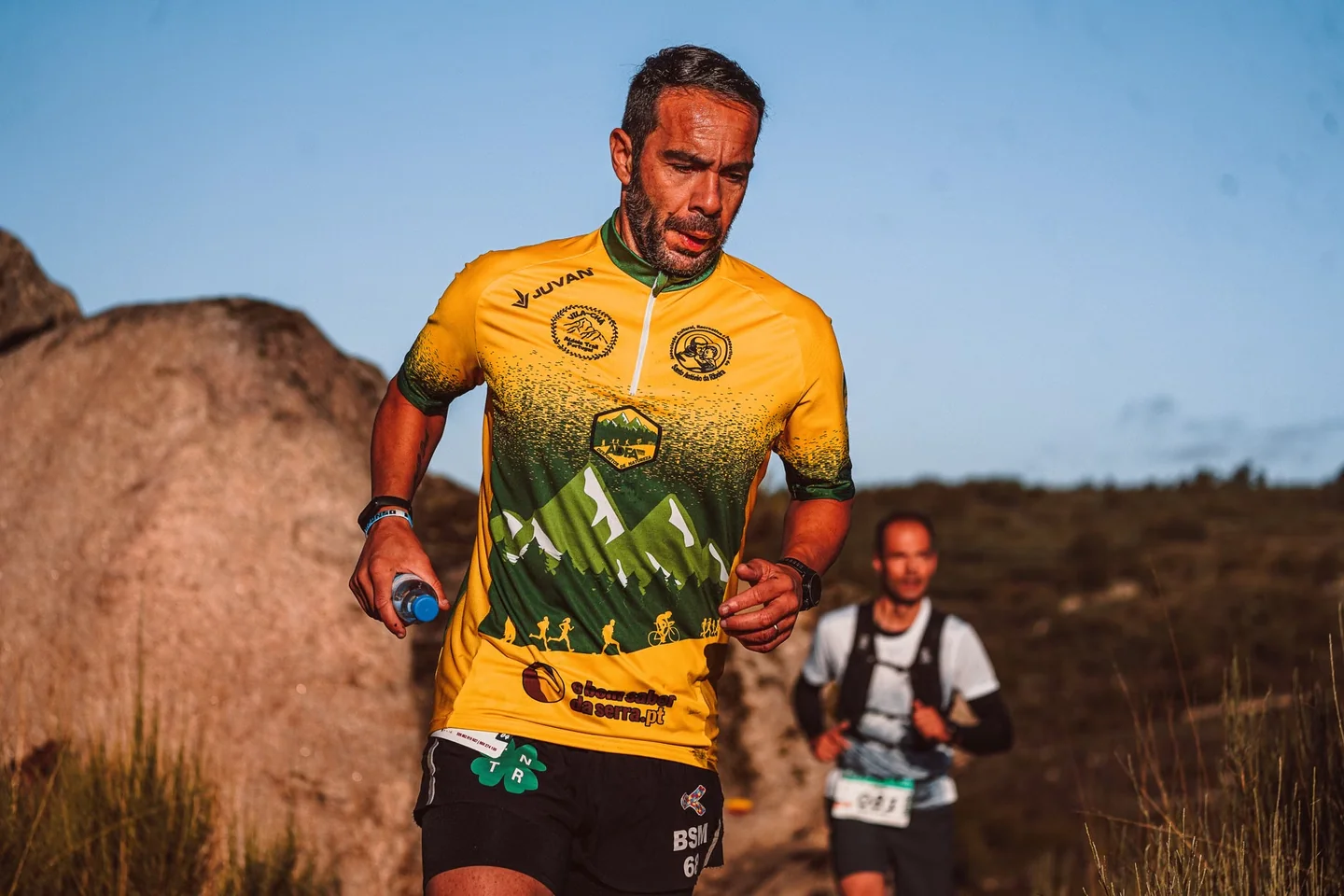
Imagen: RUN 4 FFWPU / Pexels
Els 10 de la Campana once again puts Vacarisses on the short trail map with a 10-kilometre race that combines dirt tracks, narrow trails and a brief stretch of asphalt linking the town with its natural surroundings. The start is scheduled for plaça Joan Bayà and the finish at the La Fàbrica building, two locations that fit perfectly with a local, welcoming race that is highly recognisable to anyone who follows the mountain-racing calendar in Catalonia.
The 2026 edition will take place on 14 June in Vacarisses, Barcelona, with Els 10 de la Campana starting at 9:15 a.m. The race is part of the wider Cursa de la Campana programme, an event reaching its 18th edition and bringing together different sporting options: the 15-kilometre main race, Els 10 de La Campana, the popular walk, the Nordic walking event and the Campaneta, among other activities linked to the municipality.
The 2026 edition comes with a clear identity: 290 metres of positive elevation gain according to the official Els 10 de la Campana information, and a profile which, without being extreme, requires runners to know how to manage their effort from the first kilometre. The route passes through areas such as Can Vives, la Farinera and Sanana, on a course that does not present a high level of technical difficulty, apart from one or two short, specific sections. This combination of accessibility and natural terrain explains why the race continues to gain ground among popular mountain races.
Els 10 de la Campana 2026: quick facts
| Fact | Information |
|---|---|
| Race | Els 10 de la Campana |
| Date | 14 June 2026 |
| Start time | 9:15 a.m. |
| Location | Vacarisses, Barcelona |
| Distance | 10,000 metres |
| Positive elevation gain | 290 metres |
| Start | Plaça Joan Bayà |
| Finish | La Fàbrica building |
| Terrain | Asphalt, dirt track or road and trail |
| Refreshment stations | Approximately at kilometres 5 and 7.8, as well as at the finish |
| Maximum time | 2 hours |
| Starting price | 14 euros without a T-shirt and 23 euros with a T-shirt |
| Places | Maximum of 320 participants according to the main 2026 information |
| Registration deadline | 10 June at 11:00 p.m., or earlier if the limit is reached |
A 10K mountain race with a popular spirit
The appeal of Els 10 de la Campana lies not only in the distance, but in the way the race translates the Vacarisses landscape into a measurable and fairly honest effort. There are no gimmicks or a course designed to impress through sheer toughness; rather, there is an accessible mountain route for the recreational runner who wants to leave the road behind without embarking on an excessive adventure. This is one of the keys to its continued place within the historic Cursa de la Campana.
The race takes place on tracks and trails, with that short stretch of asphalt acting as a hinge when entering and leaving the town. In racing terms, this means changes in foot placement, less stable paces and a different reading of the effort. The terrain invites runners to stay sensible: those who go out too hard in the opening stages often pay the price when the elevation begins to take its toll and their legs no longer find the same fluidity.
The Cursa de la Campana and its different distances occupy that middle ground between technical trail running and urban racing. It is not a race of mud, rocks or complicated sections lasting for long stretches, but neither is it a fast asphalt outing. The elevation, changes in foot placement and uneven terrain weigh more than pure speed. Runners must read the ground, adapt their posture and understand that mountain pace cannot be maintained evenly throughout the entire route.
The organisers have set the start of Els 10 de la Campana for 9:15 a.m. on 14 June 2026, a reasonable time for this type of race and for a month when the heat can already make a difference. At that hour, Vacarisses usually offers clear, dry light, very much like a summer morning inland in Catalonia, and runners quickly notice that the clock depends not only on physical condition, but also on their ability to read the terrain and the day.
The 2026 Cursa de la Campana and its different distances
Although Els 10 de la Campana remains the focus of this guide, the race forms part of an event with several distances and formats. Knowing them makes it easier to understand what each course represents within the day and avoids confusing the short-race data with that of the main event.
Cursa de la Campana: 15 kilometres and 542 metres of positive elevation
The main race covers 15 kilometres and includes 542 metres of positive elevation gain. It is the long-distance reference of the event and the one involving the greatest physical load. The elevation figure is enough to turn the effort into something more than a quick asphalt outing, although it remains a reasonable format for a morning of competition.
This is not a prolonged endurance race, but neither is it a leisurely walk with a race bib. Anyone tackling the 15 kilometres needs strength and patience to avoid emptying the tank too early on the steeper climbs. The elevation distributes the fatigue in small doses, as though each change in gradient were a partial bill. The race is run best by those who manage those payments rather than by those who go out hardest during the first kilometre.
Some descriptions of the wider event associate the 542 metres of positive elevation gain with this longer distance. That figure should not be transferred to Els 10 de la Campana, whose official reference details set the elevation at 290 positive metres.
Els 10 de La Campana: the short distance
Els 10 de La Campana reduces the load to 290 metres of positive elevation gain and offers a route of 10 kilometres. It is a more welcoming entry point for anyone who wants to experience the atmosphere of Vacarisses without taking on the full effort of the flagship race. The difference from the 15 kilometres is not merely numerical: it also changes the way you run, how you manage your heart rate and how you approach the descents, which in the mountains often matter more than they appear to on the profile.
For the recreational runner, 10 kilometres is a familiar and manageable distance, but the terrain completely changes its meaning. This is not a flat 10K: the climbs are significant enough to alter pace, slow progress and force runners to ration their effort. The distance allows participants to compete with a certain level of intensity, although it requires them to save energy for the changes in gradient, the trail sections and the final part.
Popular walk: 9 kilometres and 180 positive metres
The programme also includes a 9-kilometre popular walk with 180 metres of positive elevation gain. This format broadens the range of participants and turns the surroundings into a shared experience, less focused on the clock and more on the route.
The walk reflects the social spirit of the Cursa de la Campana. The mountains are presented as a sporting space, but also as a place for socialising and for broad access to those who want to discover Vacarisses and its landscape at a different pace. Its presence ensures that the event is not limited to the classifications of the main races.
Other events in the programme
The Campana ecosystem also includes the Campaneta, the Nordic walking event and a children’s race. The existence of an event for children reinforces the idea of a community-focused day, involving both those seeking a result and the families and residents who see the race as an activity belonging to the municipality.
This variety of formats gives the event continuity and allows sport to occupy the centre of local life for the day. In many towns, this is the strongest way to build a tradition: not with a single day of competition, but with a programme in which racing, walking, family participation and activities connected to the area coexist.
Start, finish and route of Els 10 de la Campana
The logistics of the short race are simple and help explain its spirit: start at plaça Joan Bayà, finish at La Fàbrica and a route that crosses the area around the municipality before returning to the town centre. This out-and-back layout, so classic in many local races, captures the experience well: starting in the pulse of the town, opening out onto the hillside and returning with the feeling that you have touched the landscape with your running shoes.
Starting in an urban area can encourage runners to speed up through momentum. However, the real work begins when the texture of the ground changes and the track appears. The prudent runner keeps something in reserve, which will later be appreciated on the steeper sections and, above all, on the way back, when fatigue disrupts technique.
The official route covers 10,000 metres, and the regulations add an important detail when assessing the actual demands: there are refreshment stations approximately at kilometre 5, with water and isotonic drink, and at kilometre 7.8, as well as at the finish. This distribution helps runners who struggle to manage heat or effort in the mountains, because the middle section is usually where things suffer most when the terrain breaks the stride and breathing becomes more noticeable.
Asphalt, track and trail
The technical information available for the Cursa de la Campana route describes an approximate distribution of 5% asphalt, 40% track or dirt road and 55% trail. This proportion helps explain the event’s general character and makes it clear where time is gained and where it is lost: the asphalt works as a transition when leaving or returning to Vacarisses, the track allows runners to recover a somewhat more regular stride, and the trail requires them to adjust their foot placement, posture and pace.
In Els 10 de la Campana, this combination results in a mixed and constantly changing surface. The short asphalt section links the town with the surrounding paths; then the tracks and narrow trails appear, with terrain requiring attention in a few specific, brief places. It is not highly technical, but it is a race that rewards concentration and punishes anyone who runs as if every kilometre were the same.
The distribution of surfaces forces runners to understand their own stride. On the track, it can be tempting to make up time lost on a climb, but excessive acceleration usually takes its toll when a more uneven trail or a new incline arrives. Over 15 kilometres, this effect lasts longer; over 10 kilometres, the intensity can be higher because the route is shorter, but the need to manage the effort remains.
Can Vives, la Farinera and Sanana
The Els 10 de la Campana route passes through areas such as Can Vives, la Farinera and Sanana. These are landmarks that help visualise a route which does not merely circle the municipality, but enters the recognisable landscape of Vacarisses.
This is not a course designed solely for an easy postcard image. The route reveals the seams of the surroundings: the short climbs, the stretch along the track, the entry onto the trail and the return to the town centre. This mixture of elements is precisely what gives the race its personality and sets it apart from a standard 10K.
Elevation and difficulty: how to interpret the profile
It is worth pausing over the elevation, because in short trail races a misunderstood figure can be very misleading. The official reference details place the Els 10 de la Campana profile at 290 metres of positive elevation gain, while other descriptions of the wider event record the 542 positive metres of the 15-kilometre main race. The popular walk, meanwhile, is listed as 9 kilometres with 180 positive metres.
The useful reading for the 10-kilometre distance is clear: this is not a flat route, but one in which the climbs carry enough weight to alter pace, slow progress and force runners to ration their effort. The elevation does not turn the race into an extreme trail event, but it does prevent participants from approaching it like a steady-paced urban run.
The technical information points to a relatively low level of difficulty, apart from one or two short, specific sections. This distinction is important. A race can be accessible overall and still demand concentration on a particular climb or on a descent over broken ground. The mountains do not need to be hostile to test your judgement and your ability to adapt your stride.
On the longer distance, the 542 positive metres increase the demands and make the 15 kilometres a more complete trail experience. In Els 10, the 290 metres concentrate the challenge into a shorter, more contained format. This is why the race can be accessible to road runners who want to try the mountains, but it should not be mistaken for a flat race or a stroll.
Confirmed date and June conditions
The 2026 edition will take place on 14 June in Vacarisses. The date places the race at a point in the calendar when temperatures can already be rising, although there is still some time before the fiercest summer heat. The Vallès mountains, with their clear light and dry ground, may appear welcoming while placing considerable demands on the body if the pace gets out of control from the start.
The 9:15 a.m. start partly limits exposure to the central hours of the day, but it does not remove the importance of hydration or a sensible strategy. Runners should bear in mind that the perceived temperature can change quickly as the sun rises over the valley. In this context, the refreshment stations at kilometres 5 and 7.8 take on practical importance, especially for those racing close to the maximum time limit of two hours.
The date also helps explain the real experience of the race. Vacarisses usually offers a dry, bright morning that appears accessible, but the climbs, uneven ground and accumulated heat can alter the pace. In June, the race is not won through physical condition alone: drinking at the right time, regulating the first climbs and maintaining good technique when the legs begin to feel heavy also count.
Registration, price and places in 2026
The administrative details for 2026 are clearly defined. Registration closes on 10 June at 11:00 p.m., or earlier if the maximum number of participants is reached, set at 320 according to the main Els 10 de la Campana information.
An earlier race entry or event description mentions a figure of 250 participants. This number should be understood as the limit included in the information available for the particular call or general format consulted, while the specific 2026 information used for this race sets the maximum at 320. As this is a figure that may change depending on the distance or on updates from the organisers, it is advisable to check the current quota on the official website before completing registration.
The deadline for registering with the option of receiving a shirt is 4 June at 11:00 p.m. Those who register before that date will receive a personalised race bib. These are simple details, but in a popular race they can make the difference between arriving with time to spare and missing out on the commemorative garment or an additional service.
Prices
- 14 euros without a T-shirt until 11:59 p.m. on 24 May.
- 23 euros with a T-shirt until 11:59 p.m. on 24 May.
- From 11:59 p.m. on 24 May onwards, the organisers apply a 2-euro surcharge.
- Registration on race day is also available for 25 euros without a gift, always subject to what the official website announces during the previous two days.
With a limited number of places, the price differences are not insignificant. The early rate allows runners to save money compared with the later price and also acts as an incentive to finalise participation in advance. Same-day registration depends both on availability and on confirmation from the organisers, so it is not advisable to base participation on that option.
Charitable contribution
The race includes a charitable contribution that deserves to be mentioned precisely: 1 euro from each registration goes to KMSxELA. The event is not limited to timing and rankings; it also includes a specific contribution to a charitable cause. In the world of recreational running, every euro reflects a decision by the organisers about the kind of event they want to build.
What type of runner is best suited to Els 10?
In terms of its design and elevation, Els 10 de la Campana is particularly well suited to anyone looking for a short, manageable mountain race, without the complexity of a long trail or the pure intensity of an asphalt 10K. The route favours runners with a solid aerobic base, who are able to change pace when the track allows it and stay composed when the trail breaks their rhythm.
You do not need to be a mountain-running specialist to finish it well, but you do need to accept that the terrain sets the rules. The race can attract road runners who want to try trail running in a controlled setting, as well as mountain specialists who appreciate races involving pace, changes of surface and contained difficulty rather than long technical sections.
The Cursa de la Campana is also interesting for those who enjoy races with a local atmosphere and manageable scale. The event’s contained size allows runners to experience the start, refreshment stations and finish more closely than in large mass races. Participants find a local race that opens out into the mountains without losing its connection with the municipality.
The organisers define the race as open to everyone, regardless of age, sex or nationality, provided that the regulations are accepted. From there, the category system broadens the competitive appeal:
- Overall.
- Under-18.
- Under-23.
- Senior.
- Veteran 1.
- Veteran 2.
- Master.
- Local.
The categories apply to both men and women. This structure, very typical of local races with sporting ambition, allows the podium contender, the amateur competing for the experience and the resident measuring themselves against their own surroundings to share the same event.
Pace, technique and effort management
In a race like this, effort control matters more than courage during the first few metres. The start from the square may encourage runners to speed up through momentum, but the real work begins when the asphalt gives way to the track and trail. A start that is too fast can create an apparent advantage that disappears when the elevation arrives and the terrain demands more strength and concentration.
The distribution of surfaces means runners need to understand their own stride. The initial asphalt acts as a transition, the track allows somewhat more regular running and the trails require adjustments in foot placement and posture. Over 10 kilometres, the final time depends less on maintaining an identical pace than on avoiding too much loss of fluidity when the body enters uncomfortable terrain.
The accumulated elevation is not merely a statistical decoration. The 290 positive metres of Els 10 alter the relationship between distance and fatigue. A kilometre that would be fast on the road can feel long after a sustained climb, while an apparently favourable descent may demand concentration to avoid placing too much strain on the quadriceps or losing stability.
Effort management must also include the descents. In the mountains, descending does not simply mean letting yourself fall: you need to control your posture, anticipate your foot placements and avoid going faster than the terrain allows. Runners who save some strength and maintain stable technique usually reach the final section with more ability to compete than those who have tried to recover every lost second on the first tracks.
Refreshment stations, services and organisation
Els 10 de la Campana has refreshment stations approximately at kilometre 5, with water and isotonic drink, and at kilometre 7.8, as well as at the finish. The distribution covers the middle and final sections of the course, two areas where the heat and accumulated elevation can become more noticeable.
The general technical information for the Cursa de la Campana also mentions liquid and solid refreshments along the route and at the finish. This reference applies to the event as a whole and complements the specific information for Els 10: hydration and nutrition form part of the organisational experience of a mountain event in June.
Race-bib collection for Els 10 takes place on Sunday from 8:00 a.m. The bib must be worn visibly on the front. The race also offers showers, a bag drop and a parking area, simple but decisive services that ensure the experience does not fall apart before the start or after finishing.
The event’s general technical details also mention a chip-timed race, massage service, trophies, food at the finish and a children’s race. The chip provides competitive precision; the bag drop and showers make logistics easier; the massage and food help round off a day that aims to be comfortable without losing its sporting character.
The existence of these services creates a fairly complete event, not one centred solely on crossing the finish line. The race retains a human scale, while incorporating elements that cater both to those seeking competition and to those participating for the atmosphere, the experience or their connection with Vacarisses.
Maximum time and participation
Els 10 de la Campana sets a 2-hour time limit. This is enough time for a broad majority of participants, although it can be demanding for anyone intending to complete the 10 kilometres at a relaxed walking pace, especially given the 290 metres of elevation and the combination of trail, track and asphalt.
The finish control closes once that time has elapsed. This keeps the race organised and prevents the operation from being extended unnecessarily. Ultimately, it is another sign of the event’s philosophy: a popular race, certainly, but with a clear organisational framework and no improvisation.
Anyone approaching the route with a basic running foundation and managing the climbs well should be able to finish within that time. Even so, difficulty should not be measured by distance alone. Uneven terrain, June heat and a loss of pace on certain trails can make the actual time very different from that of a road 10K.
Regulations, safety and care for the environment
The regulations leave little room for ambiguity, which is usually good news in a race of this type. The organisers state that they provide accident insurance for participants, as well as civil liability insurance and the mandatory emergency services.
Each runner acknowledges that they are in good health and accepts the physical consequences that may arise from taking part. This is a standard clause in popular races, but an important one for its preventive and legal value. Registering means accepting the conditions of the regulations and taking part with preparation appropriate to the route, elevation and weather conditions.
The race bib must be worn visibly on the front. This makes it easier to control participants and read the chip, as well as helping with identification along the route and at the finish. Collection takes place on Sunday from 8:00 a.m., so it is advisable to organise your arrival with enough time before the 9:15 start.
The relationship with the surroundings takes up a particularly significant part of the regulations. Anyone who fails to care for the natural environment or behaves disrespectfully may be disqualified. This rule directly affects a race taking place on tracks and trails, where runners share the space with the landscape, wildlife and paths in regular use.
In mountain races, sustainability is not a rhetorical accessory. It forms part of the agreement between the organisers, participants and territory. Not leaving waste behind, respecting the marked route, following instructions and not altering the surroundings are essential behaviours if the race is to continue being held under the same conditions.
Vacarisses as a race setting
Vacarisses gives the event more than just a name on the poster. The municipality, located in the surroundings of the Sant Llorenç de Munt i l’Obac Natural Park, offers a topography that explains the purpose of the race on its own. It is not a neutral backdrop, but a territory that shapes the effort and gives form to the experience.
The proximity of the natural park gives the Cursa de la Campana greater depth and sets it apart from races that merely circulate around an urban perimeter. The mountains appear close, almost without transition, turning the race into a kind of quick conversation between the town and the hills.
The sections through Can Vives, la Farinera and Sanana create a geography that is recognisable to anyone familiar with the area. The route shows the municipality without reducing it to a simple backdrop: it integrates it into the course and turns it into an experience. In the mountains, distance is measured differently; a kilometre may seem short on the map and long in your legs if it follows a sustained climb.
The context of the start and finish also matters. Plaça Joan Bayà, the access streets and the La Fàbrica building act as a hinge between the community and the mountains. Runners begin surrounded by the pulse of the town, move into tracks and trails and return to the centre with a different perception of the municipality.
This connection between the civic and the natural is one of the reasons the race retains its own personality compared with more impersonal trail events. The square and La Fàbrica are not merely logistical points: they are recognisable landmarks connecting the competition with everyday life in Vacarisses.
A race with tradition and a local atmosphere
The race is associated with its 18th edition, a figure that speaks of continuity and deep roots. In the racing calendar, reaching that number means more than simply adding years: it means finding a community, a recognisable route and an identity capable of withstanding the passage of time.
In Vacarisses, the Campana is no longer something new. Its value lies in having become part of the local sporting landscape. The race does not arrive alone, but is integrated into a wider programme linked to the Campana and the municipality. This framework reinforces the feeling of an event with roots, where the sporting element coexists with the memory of the place, the work of the organisers and the desire to showcase the territory in an orderly and sustainable way.
The walk, Nordic walking event, Campaneta and children’s race allow different generations and profiles to share the day. This diversity helps sustain the race’s identity: trail running becomes an activity that the town recognises as its own and that visitors immediately understand as something more than a classification.
What this edition reveals about popular trail running
The evolution of Els 10 de la Campana reflects a clear trend in today’s running: the growth of events that are neither pure asphalt nor extreme trail, but an appealing middle ground for recreational runners. This segment has gained importance because it offers a serious challenge without requiring a particularly high level of specialisation.
There is elevation, yes, but also control; there is nature, but not a level of difficulty that drives much of the field away from the start. The short distance allows runners to enter the mountain atmosphere without taking on an excessively long day, while the 15-kilometre main race offers a more demanding alternative for those who want to increase the load within the same event.
The race also illustrates how many local events are refining their offering through a combination of limited places, tiered pricing, personalised race bibs and a charitable contribution. Together, these elements build a recognisable identity and help retain runners looking for more than a simple time on the clock.
The presence of chip timing, refreshment stations, a bag drop, showers, massage, trophies, food at the finish and a children’s race broadens that offering. The organisers retain the closeness of a popular race, while providing a structure complete enough to meet the sporting, logistical and social needs of the day.
In an increasingly crowded calendar, these details separate the races that pass without leaving a mark from those that remain in a runner’s memory. The Cursa de la Campana does not need to compete with ultras or mass events to find its place: it offers territory, enough elevation, a human scale and a direct relationship with Vacarisses.
Practical tips for tackling Els 10 de la Campana
Before the start
- Read the regulations and confirm the updated registration conditions.
- Collect your race bib on Sunday from 8:00 a.m. and wear it visibly on the front.
- Arrive with enough time to locate the start at plaça Joan Bayà, the bag drop, toilets and parking area.
- Bear in mind that the start is scheduled for 9:15 a.m. and that the heat can rise quickly in June.
- Check the condition of the route and the weather forecast before travelling to the event.
During the 10 kilometres
- Do not turn the first urban metres into a sprint: the elevation and natural terrain will come later.
- Adapt your stride to the change between asphalt, track, dirt road and trail.
- Save energy for the climbs and avoid trying to recover all lost time by accelerating too much on the track.
- Pay attention on the short sections with uneven terrain or greater technical difficulty.
- Use the refreshment stations at kilometres 5 and 7.8 according to your hydration needs.
- Remember that water and isotonic drink are available at the first indicated station, with additional service at the second station and the finish.
- Respect the surroundings and the organisers’ instructions; disrespectful behaviour may result in disqualification.
After finishing
- The finish is located at the La Fàbrica building.
- The organisers provide showers, a bag drop and a parking area.
- The wider event may include massage, food at the finish, trophies and children’s activities.
- Remember that the finish control closes after 2 hours.
A short race, but with just enough tension to leave its mark
The strength of Els 10 de la Campana lies in its proportions. Ten kilometres is a familiar distance, almost a domestic one for many runners, but here the mountains alter the meaning of every step. The elevation, mixed surface, start in the centre of the town, passage through Can Vives, la Farinera and Sanana, and finish at La Fàbrica create a compact, clear and demanding sequence.
That is all the race needs to have an identity of its own. Its appeal comes from a coherent design, a clear price, a specific date, an organisation with defined services and a setting that turns a 10K into a small mountain adventure.
The Cursa de la Campana, with its 15 kilometres and 542 positive metres, its 9-kilometre walk with 180 metres, Els 10 de La Campana with 10 kilometres and 290 metres, and the rest of the activities in the programme, works as a local-scale sporting day with a broad offering. Each format provides a different way of relating to the same landscape.
That is why, more than an isolated event, Els 10 de la Campana works as a small snapshot of popular trail running in Catalonia: territory, community, effort and clear logistics. A 10K with elevation does not need to present itself as an epic; it only needs to offer an honest route, serious organisation and a landscape that explains why mountain running continues to hold such power among those who prefer the sound of running shoes on earth to the uninterrupted asphalt of the city.
Vacarisses turns that idea into a race that sounds of mountains, community and continuity. In a calendar increasingly packed with events, that combination still carries great weight for anyone looking for more than simply running: they want to recognise the terrain, read the profile, share a popular sporting day and let the landscape become part of the effort.



How to prevent thigh chafing: causes and real solutions

Women’s running windbreakers: seven jackets and how to choose

Do more workouts get rid of soreness? A guide for runners

Jaén Half Marathon 2026: Record 3,800 Runners Registered

Men’s short running tights: how to choose the right pair

World Triathlon confirms data breach involving medical data

Izan Edo targets podium at Miyazaki World Cup

María Pérez ranks ninth in World Athletics’ 2026 top ten

Dos Santos, Duplantis and Sawe: World Athlete of the Year finalists

San Silvestre Vallecana 2026: 42,000 places, prices and start times

 Races4 months ago
Valencia Half Marathon 2027: date and registration

 Races4 months ago
Valencia Marathon 2026: entry, ballot and course

 Reviews and Comparisons4 months ago
Asics Gel-Roadmiles 3 for men: review and current price

 Reviews and Comparisons4 months ago
Asics Gel Sonoma 8 Gore-Tex: complete analysis for trail and rain

 Sneakers3 months ago
Saucony Endorphin Pro 4: full review and verdict

 News5 months ago
Strava API 2026: what changes for clubs, challenges and runner apps?

 Reviews and Comparisons5 months ago
Nike Alphafly 3: opinions, sensations, and real key points

 Reviews and Comparisons4 months ago
Under Armour running shoes review 2025-2026: models and key features

 Sports Equipment4 months ago
Shoe sizes in cm: a clear guide to getting the right fit for your footwear

 Sneakers3 months ago
Skechers GO RUN Consistent 2.0 analysis: comfort and limits

 News5 months ago
Valencia Marathon 2026 route: key tips to train and run better

 Sneakers4 months ago
Adidas Adizero Boston 13 for men: review and verdict