Routes
Women’s running accessories: routes, areas and tips with a runner-focused approach
Caps, socks, visors, and sports bras: the pieces that improve comfort, safety, and performance when running.

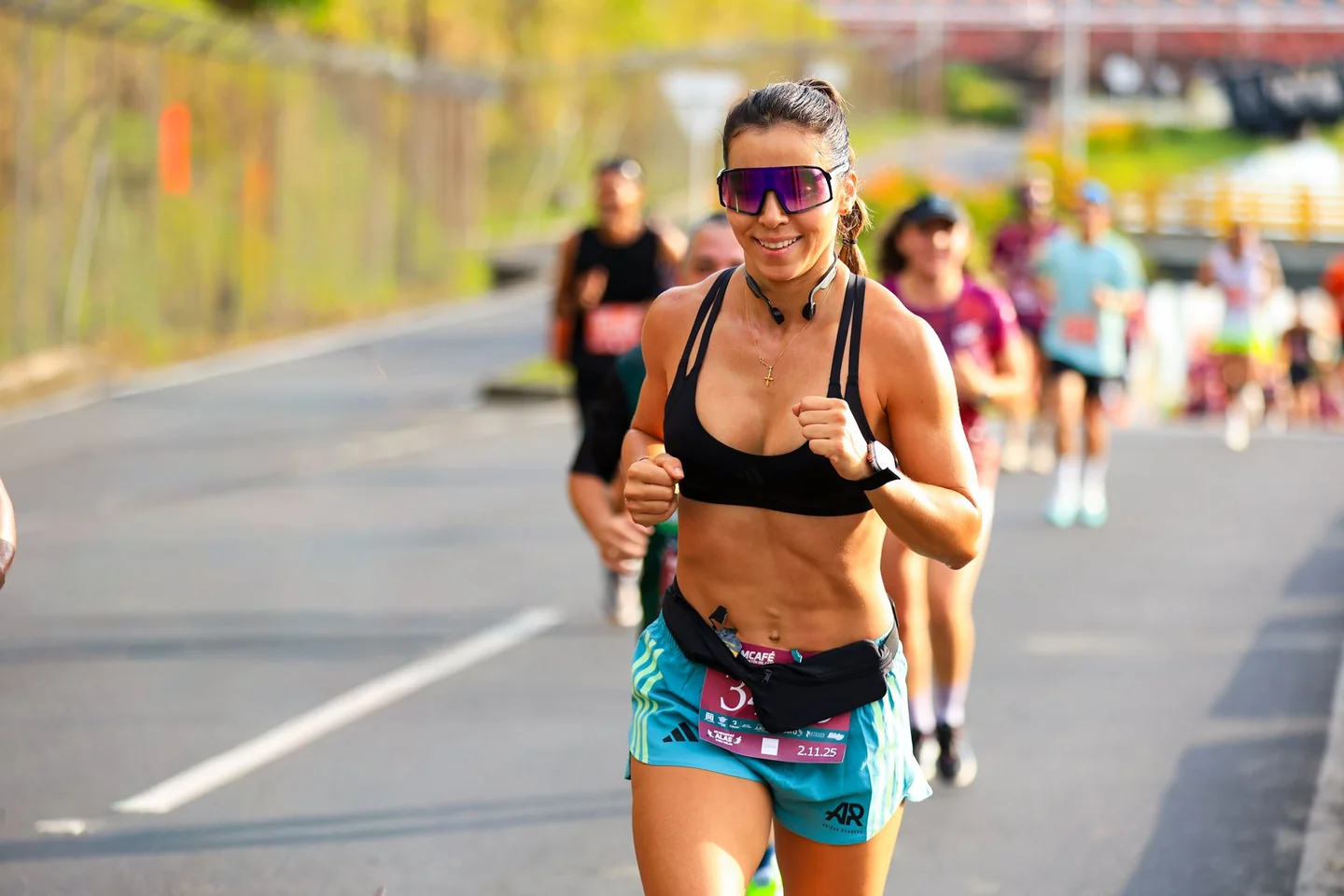
Imagen: CRISTIAN CAMILO ESTRADA / Pexels
Women’s running accessories have gone from being a discreet add-on to becoming a decisive part of the gear. On a short road run, in a long marathon outing, or in a session at dawn, the difference between being aware of chafing, heat, or bounce and running smoothly usually lies in the details. That small layer that seems secondary can decide whether a run feels comfortable or endless.
The market has understood this well. Today’s collections of running clothing and gear include high-impact sports bras, lightweight caps, ventilated visors, technical socks, water-carrying belts, thin jackets, and reflective elements. It’s not just about aesthetics or a passing trend: each piece responds to a specific need for temperature, support, visibility, or storage. And in the case of women’s gear, precision matters even more when it comes to fit, support, and sizing.
What a good auxiliary kit really brings
A useful running accessory isn’t meant to draw attention, but to disappear during the run. That’s the first rule. When a product is well designed, you stop noticing it: it doesn’t bounce, it doesn’t squeeze, it doesn’t move, and it doesn’t add mental weight. Your head stays free for pace, breathing, and the terrain. That’s why the most meticulous runners care more about choosing accessories than about the mirror image of the outfit itself.
The difference shows up quickly. A visor that wicks away sweat keeps the edge of the forehead from turning into an annoying trickle. A technical sock reduces friction and helps prevent blisters. A sports bra with real support limits breast movement and improves the feeling of control in impact sessions. Comfort is not a luxury; it’s a performance condition.
There’s also a safety component that has gained weight in recent years. Running at dusk, in winter, or along roads with traffic means adding reflective elements, visible colors, and, in some cases, a headlamp or lighted accessories. In a city like València, where many outings happen early in the morning or at the end of the day, that extra layer of visibility makes a practical difference, not a decorative one.
The pieces that most influence the running experience
The sports bra remains the most important auxiliary garment for many female runners. In today’s range, high-support models, compressive fabrics, and structures designed to keep everything stable at a fast pace or during changes of direction dominate. Running models from specialized brands usually combine soft panels, a more open back for ventilation, and lower bands that distribute pressure without digging in.
Prices vary widely. In major brand catalogs, sports bras can be found from around 32 euros up to about 60 euros, with more advanced technical versions above that threshold. The range reflects real differences in construction, fabrics, and level of support. In running, price is usually tied to the engineering of the fit. It’s not an accessory to improvise with, because a bad choice turns into bounce, irritation, or a feeling of lack of control.
Tights and leggings form the other major base of the kit. In women’s running displays, you’ll find everything from shorts from 30 to 42 euros to leggings that hover between 55 and 60 euros, and some technical pieces go beyond 100 euros in premium ranges. The most repeated features are a stable waistband, a phone pocket, seamless fabrics, and reflective details. A waistband that doesn’t slip and fabric that doesn’t roll up are worth more than they seem when the miles add up.
T-shirts, tank tops, and lightweight tops complete the set. Reference prices in major stores often range, in many cases, between 20 and 40 euros, although models with thermal treatment, quick-dry properties, or more technical patterning can be quite a bit more expensive. Their value lies in something very simple: wicking sweat away quickly and preventing the garment from becoming a heavy rag stuck to your back.
Hydration, carrying, and hands-free running
Hydration is no longer the preserve of trail running or the marathon. Today there are plenty of lightweight belts, soft flasks, small packs, and waist bags designed to carry water, gels, keys, or a phone without breaking your stride. The ideal accessory depends on duration and environment, but the goal is the same: to distribute the weight well and keep it from bouncing while you run.
Market references show a wide range. A 150 ml soft flask can cost around 70 euros in some specialty stores, while a 500 ml soft bottle can get close to 100 euros, and a 1.5-liter hydration bag can sit around 187 euros. Those are high figures for the occasional buyer, but they reflect more durable materials, reliable valves, and construction designed for racing or long training sessions. Portable hydration has evolved from a workaround into a training tool.
Technical belts and waist packs have a special role in mid-length workouts. They let you carry your phone without it hitting around, stash a gel, an ID, or a key, and head out with your hands free. On urban runs or in parks, that simplicity means not having to carry a backpack and helps maintain a feeling of lightness that runners appreciate from the very first kilometer.
In that same area, models with well-secured pockets are gaining ground over soft, structureless solutions. Movement, in running, comes at a high price when something is bouncing around. That’s why accessories that fit the body and distribute the contents without swaying tend to stay longer in the favorites drawer.
Technical socks: the most underrated piece
A good sock can seem invisible until it’s missing. Specialized brands insist on breathable materials, reinforced zones, minimal seams, and moisture control because the foot is an area of constant friction. The combination of sweat, heat, and movement can end in chafing or blisters, especially on long runs or humid days.
The prices in the technical segment are telling. In reference stores, a pair of running socks can cost between 18 and 25 euros, while some versions with compression or greater protection range from 30 to 50 euros. The investment isn’t capricious: the foot pays for every imperfection. A poorly placed seam, a bad size, or a stiff elastic band turns into persistent discomfort that breaks the rhythm of training.
For women, fit matters especially when the foot is narrow or when a more precise feeling of support is desired. Low-cut models, no-show or quarter style, are popular for their discretion and the freedom they offer in summer. Mid- or high-cut versions, on the other hand, are more useful in cold weather, trail running, or marathons, where protection against rubbing from the shoe and light compression help keep the stride stable.
Technical language sometimes makes things more confusing than clear, but the basic rule is simple: the sock should follow the movement, not resist it. If it pulls, wrinkles, or leaves gaps, it’s not right. If you forget about it while running, it’s doing its job.
Caps, visors, and protection from the sun
The sun affects a run more than it seems. In summer, and especially in Mediterranean climates, a cap or visor does more than just provide shade. It reduces glare, absorbs part of the sweat, and helps regulate the thermal sensation when the route passes through open avenues, seafront promenades, or stretches without trees.
The difference between a cap and a visor usually comes down to coverage and ventilation. A cap protects the scalp better and offers a more stable effect against the sun, while a visor releases heat more easily and feels cooler. The choice depends on the heat, the sweat, and how much each runner prefers to feel air on her head. On high-humidity days, the visor wins points; on long routes under harsh sun, the cap usually comes out on top.
The market offers lightweight, technical options across a very wide range, from visors at around 60 euros to caps at around 95 or 110 euros in specialized collections. Some stand out for adjustable closures, quick-dry fabrics, perforated panels, or reflective elements. Bright colors and more understated designs also appear, because sports accessories have learned to coexist with aesthetics without losing function.
There’s one detail that often goes unnoticed: the head has a lot to do with perceived comfort. If the upper part overheats, the whole effort feels harder. That’s why a good visor or cap doesn’t just protect; it also lowers the thermal noise the body carries during exertion.
Visibility and safety when the light fades
Going out for a run at night or at dawn takes more than consistency. You need to be seen. Reflective details on jackets, tights, and caps, along with lighted accessories or highly visible colors, improve how other road users perceive you. They don’t solve the risk on their own, but they reduce it significantly, especially at crossings, shared paths, and stretches with urban traffic.
Garments designed for low-light conditions often include reflective piping, high-visibility logos, or finishes that react better to headlights. A small flash in motion is worth more than a perfectly technical dark garment. In practice, visual contrast saves reaction time, and those seconds matter.
Accessories for carrying your own light are also growing, from compact headlamps to support systems that don’t bounce. Although many runners focus first on clothing and shoes, the reality is that visibility is built in layers. One single piece isn’t enough when the environment is dark, wet, or chaotic.
In popular races with early starts or in winter training, that criterion becomes almost non-negotiable. Safety, in running, is not an extra; it’s part of the planning.
Light layers for cold, wind, and changing weather
Running accessories aren’t only about heat and breathability. In autumn and winter, or on windy days by the sea, a thin jacket, a windproof vest, or a lightweight sweatshirt solves more problems than a thick, heavy garment. The key is to add protection without turning the body into a tent.
Major catalogs place technical jackets between about 50 and 140 euros, with ultralight, water-repellent, or strategically ventilated versions. The vest appears as a very useful middle ground on cool days: it protects the torso, leaves the arms free, and regulates heat better during effort. In running, the perfect cold-weather garment is usually the one that lets you start with doubts and finish without paying for it.
The fabric plays a decisive role here. Layers that breathe well prevent overheating in the first kilometer, one of the most common mistakes on cold outings. The body warms up quickly, yes, but not enough to justify an excessive garment that later makes sweat management harder. That’s why many runners choose thin solutions, with partial zips or a more fitted cut.
The mountains, coastal wind, and early hours of the day call for a practical reading of the weather. It’s not enough to look at the thermometer; humidity and the thermal sensation matter too. That’s the ground where well-chosen accessories go from detail to ally.
What to buy first depending on the type of runner
Not every runner needs the same arsenal, but everyone does need a sensible order. For someone just starting out, the priority is usually a sports bra, socks, and a breathable top. These are the pieces that have the biggest immediate impact on comfort. After that come pockets, sun protection, visibility, and, finally, hydration accessories or items for specific use in marathons and trail running.
For runners who already train regularly, the natural step up is usually toward more stable and versatile materials. Tights with a fixed waistband, shorts with a pocket, a quick-dry cap, or a belt for longer intervals end up becoming part of a kind of small personal kit. That kit isn’t built on impulse, but through accumulated friction. Each new accessory usually comes in to solve a very specific annoyance.
The numbers help set priorities. A technical sports bra can cost between 30 and 60 euros; quality shorts, between 30 and 42 euros; leggings, between 55 and 60 euros, and much more in higher ranges; a pair of specific socks, between 18 and 25 euros; a cap or visor, between 60 and 110 euros in many sports brand collections; and hydration items, depending on the format, can rise quickly. That price map makes it clear that the initial spend can be moderate or high depending on the level of specialization you’re after.
In any case, the purchase with the best return is usually the one that removes a recurring annoyance. There’s no need to pile up pieces. What matters is choosing the ones that truly support training when the body is already running on empty and the mind appreciates that everything stays in place.
The bottom line: running better also depends on the small details
Modern running looks less and less like heading out in any old T-shirt and more like managing a system of small supports. The runner who fine-tunes her gear isn’t chasing an image; she’s looking for continuity. For the garment not to chafe, for sweat not to weigh her down, for the phone not to hit around, for the light not to blind her, and for the heat not to win too early. All of that together creates a feeling of control that’s hard to improvise.
That’s why women’s running accessories have stopped occupying a secondary space in specialty stores. They sit at the center of the experience because they solve the practical side of effort. And in a sport where every kilometer is counted with the whole body, the difference between finishing a run focused or finishing it fighting with your gear usually starts in those small pieces that are barely seen, but felt all the time.
The market will keep refining fabrics, closures, reflectives, and carrying formats. But the core criterion doesn’t change: a good accessory is the one that accompanies without demanding the spotlight. That is the real measure of its value, the one that doesn’t show up in the photo and, even so, supports almost everything else.
You may also like: The more balanced side of affordable running.



How to prevent thigh chafing: causes and real solutions

Women’s running windbreakers: seven jackets and how to choose

Do more workouts get rid of soreness? A guide for runners

Jaén Half Marathon 2026: Record 3,800 Runners Registered

Men’s short running tights: how to choose the right pair

World Triathlon confirms data breach involving medical data

Izan Edo targets podium at Miyazaki World Cup

María Pérez ranks ninth in World Athletics’ 2026 top ten

Dos Santos, Duplantis and Sawe: World Athlete of the Year finalists

San Silvestre Vallecana 2026: 42,000 places, prices and start times

 Races3 months ago
Valencia Half Marathon 2027: date and registration

 Races3 months ago
Valencia Marathon 2026: entry, ballot and course

 Reviews and Comparisons4 months ago
Asics Gel-Roadmiles 3 for men: review and current price

 Reviews and Comparisons4 months ago
Asics Gel Sonoma 8 Gore-Tex: complete analysis for trail and rain

 Sneakers3 months ago
Saucony Endorphin Pro 4: full review and verdict

 News5 months ago
Strava API 2026: what changes for clubs, challenges and runner apps?

 Reviews and Comparisons5 months ago
Nike Alphafly 3: opinions, sensations, and real key points

 Reviews and Comparisons4 months ago
Under Armour running shoes review 2025-2026: models and key features

 Sports Equipment4 months ago
Shoe sizes in cm: a clear guide to getting the right fit for your footwear

 Sneakers3 months ago
Skechers GO RUN Consistent 2.0 analysis: comfort and limits

 News5 months ago
Valencia Marathon 2026 route: key tips to train and run better

 Sneakers4 months ago
Adidas Adizero Boston 13 for men: review and verdict