Sneakers
How to wash sneakers in the washing machine without ruining them
Machine washing works if the material, cycle, and drying instructions are followed. These are the points that prevent damage.

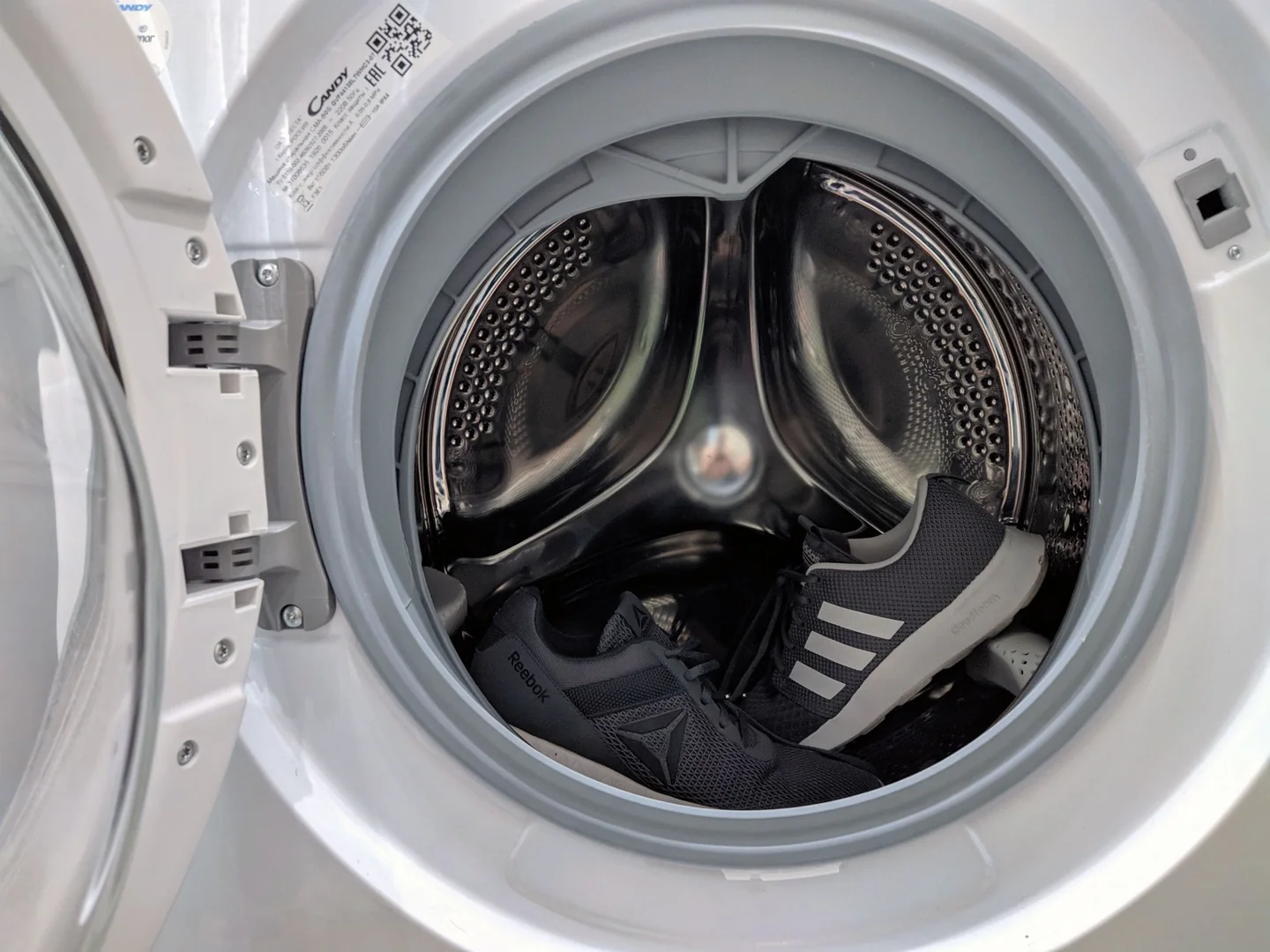
A well-used washing machine can restore a pair of sneakers to a clean look without damaging the fabric or deforming the sole. The key is not to simply toss them in, but to prepare the shoes, choose a gentle cycle, and let the drying do its part with patience. In the world of running, where the sole, mesh, and adhesives work at the limit, that care makes the difference between a useful cleaning and premature wear.
Not all sports shoes respond the same way. Sneakers made of fabric, technical mesh, or synthetic materials usually tolerate the drum better than those made of leather, suede, or with delicate reinforcements. The condition they arrive in also matters: dried mud, stones in the sole, or accumulated sand can turn a practical gesture into a problem for the washing machine itself.
Which sports shoes can be machine washed
Mesh, nylon, polyester, and canvas models are usually the most washing-machine-friendly. They are lightweight, porous materials designed to ventilate the foot, so they handle a short, cold cycle better. Suede, leather, and finishes with highly exposed glue, on the other hand, suffer from water and the drum. It is also wise to be cautious with shoes that have decorative pieces, sensitive waterproof membranes, or technical elements not meant for repeated washing.
The manufacturer’s label is still the first reliable clue. On some models, the washing symbol appears, while on others machine washing is expressly discouraged. That warning is not just a marketing whim: heat, spinning, and prolonged moisture can peel layers apart, wrinkle reinforcements, or alter the way the shoe fits. In running shoes, where stability matters as much as comfort, the damage is sometimes not visible at first glance.
Color also influences the result. White sneakers usually show dirt more clearly and therefore invite more frequent washing; even so, that color does not change the basic rules. A white fabric model can go into the washing machine with relative safety, while another made of mixed materials and delicate finishes may need much more careful hand cleaning.
Preparation before turning on the washing machine
The serious work starts outside the drum. Before washing, it is advisable to remove mud, dust, and small stones with a dry brush or a cloth. That step prevents dirt from traveling through the tub, soiling other garments, or ending up trapped in the filter. In trail shoes or shoes used around the city on rainy days, this pre-cleaning is almost mandatory because caked-on mud does not disappear by magic.
Laces and insoles deserve separate treatment. Laces can be washed separately, preferably inside a mesh bag or small pouch so they do not tangle. Insoles, on the other hand, usually benefit more from hand washing with warm water and neutral soap, followed by air drying. They are small pieces, yes, but they concentrate sweat and odor; treating them separately improves hygiene and extends their useful life.
Using a laundry bag or mesh cover also helps. That barrier cushions impacts, limits rubbing against the drum, and reduces the risk of deformation. If there is no specific bag, a closed pillowcase can serve as a temporary solution. And to stabilize the load, some old towels work well as long as they do not shed lint and the machine is not overloaded.
Program, temperature, and spin that work best
The delicate cycle is usually the most sensible option for this kind of wash. On many washing machines it appears as a cycle for sensitive garments, hand wash, or sportswear. What matters is that the drum movement is gentle and that the duration is not excessive. A short cycle can be useful if the shoes are not soaked with mud, but softness should not be sacrificed just to save a few minutes.
The ideal temperature is between 20 and 30 degrees. That range cleans well without stressing the adhesives or deforming the structure. Going above 40 degrees is usually not a good idea for sports shoes, because heat speeds up the wear of glues and synthetic materials. In running shoes, where several layers are joined together like a small flexible structure, excess heat works against them.
The spin cycle deserves moderation. The gentler, the better. It is reasonable to avoid high speeds and let the garment lose water naturally. An aggressive spin can bend the structure, separate the sole, or leave internal marks that are hard to correct. If the washing machine allows speed adjustment, a low setting is the safest choice.
Detergent also matters. A mild liquid detergent works best, used in moderation. Powder detergent can leave whitish residue on seams, gaps, and dense fabrics if rinsing is not perfect. Fabric softener, meanwhile, offers no real benefits for sports shoes and can leave residues that are not ideal for the breathability of the inside.
How washing changes depending on the type of sneaker
Running shoes made of mesh or synthetic materials are usually the most reasonable candidates for the washing machine. They are lightweight, breathable, and generally designed for intensive use. Even so, automatic washing should not be overused. Each cycle adds wear to the foam, the sole bond, and the outer fabric, so this solution should be reserved for specific moments, not as a weekly routine.
White fabric sneakers tolerate washing better than many other models, but they show dirt more readily than other colors. If they are heavily marked, a gentle pre-treatment on specific areas can be useful, especially on the toe box and the edge of the sole. Often, washing does not produce a store-window white, but it does leave a noticeably cleaner and more acceptable appearance for everyday use.
Suede, leather, and espadrille materials are out of the game. They are not materials for the drum, plenty of water, or spinning. For this type of footwear, cleaning must be done by hand, with specific products and gentle brushing. Putting them in the washing machine can cause permanent stains, hardening, loss of texture, or deformations that cannot be undone.
Footwear with technical membranes requires special caution. Some outdoor shoes or models with waterproof treatments do not handle frequent washing well. Even if the outside seems resistant, the inside can lose its properties. When in doubt, the safest decision is usually to stick to superficial cleaning and not force the machine.
Proper drying to avoid odors, wrinkles, and deformation
Drying is just as important as washing. A clean shoe that is dried poorly can end up smelling worse than before or losing its shape. The best option is to let it air-dry in a ventilated space and away from direct heat. Radiators, heaters, and dryers dry too quickly and too aggressively, which is not good for rubber, foam, or seams.
Direct sunlight is not the best ally either. Although it may seem useful for speeding up the process, intense light can yellow the rubber and dry out some materials. The ideal approach is a natural, steady, unhurried drying process, with absorbent paper inside to maintain shape and remove internal moisture. That paper should be changed if it becomes soaked, because its effectiveness drops quickly.
Drying time varies depending on the material and the weather. A pair of lightweight shoes may be ready in less than 24 hours, but a denser model or one with thick foam needs more time. Forcing use before they are completely dry makes odor worse and can encourage mold, a particularly annoying problem when the shoes are worn daily for training or walking.
Common mistakes that end up taking their toll
The most common mistake is putting the shoes in with all the dirt still on them. Stones, gravel, and compact mud not only dirty the machine; they also rub, block drains, and leave residue in the filter. Before washing, the sole should be reasonably clean. That extra minute saves much more serious problems later.
Another recurring mistake is mixing a pair of shoes with an unsuitable wash load. The delicate fabric of a shirt or a thin technical garment gains nothing by sharing the drum with footwear. Even if the laundry bag reduces impact, the most sensible option is to wash shoes alone or with sturdy textiles that provide cushioning.
It is also wise to distrust intense cycles out of sheer impatience. A strong wash does not clean much better in this case; it simply causes more damage. Sports shoes have seams, adhesives, and foams that work in balance. When that balance is broken, deformations, partially detached soles, or small wrinkles appear, shortening their useful life.
Using a dryer is another classic mistake that ends up being expensive. It may seem like a quick fix, but direct heat affects the rubber, the adhesives, and the internal structure. In running shoes, where stability depends on lightweight, precise components, that thermal shock can ruin a pair that still had many miles left in it.
Hygiene, odor, and washing frequency in running shoes
Washing them too often is not a good strategy. In general, daily use does not require going through the washing machine every few days. The reasonable frequency depends on the type of training, the terrain, and the weather. Running on dry pavement is not as dirty as moving along muddy paths or going out in persistent rain.
In running, sweat matters as much as outside dirt. The inside accumulates moisture, salt, and bacteria, so airing out the shoes after every outing is just as important as cleaning them. Leaving them closed in a bag or in the car trunk is the perfect recipe for bad odor. Daily ventilation, though it may seem obvious, changes the final result a lot.
When odor persists, a full wash is not always necessary. Sometimes it is enough to remove the insole, dry the inside well, and use a specific shoe cleaner or a disinfectant suitable for fabrics. This kind of intermediate maintenance extends the time between harsh washes and helps preserve cushioning, which is valuable in shoes that have already covered quite a few kilometers.
Washing machines that make caring for sports shoes easier
Not all washing machines treat a delicate load the same way. Models that allow precise adjustment of temperature, spin, and cycle duration offer more room for washing shoes without surprises. In a modern machine, a more stable drum and fine speed control help reduce knocks and vibrations.
Load detection functions also make sense in these small washes. If only a pair of shoes goes in, a machine that adapts water and movement avoids unnecessary excess. The same applies to inverter motors, which usually operate more smoothly and quietly. They do not make washing miraculous, but they do add control, and control here is almost everything.
Programs for sportswear or delicate garments are also useful. Even if there is no specific shoe cycle, those programs are usually a good base because they prioritize low temperature, moderate agitation, and less mechanical stress. In small homes or households where training is frequent, that versatility ends up being more practical than any promise of express cleaning.
A sensible routine so they last longer and clean better
Washing sneakers in the washing machine can be an effective solution, but it should never become an automatic habit. It works when the material allows it, when the program is gentle, and when drying is respected from start to finish. That combination preserves the shape, color, and sole adhesion better than any quick, aggressive wash.
Sports shoes call for a logic similar to the training itself. Neither excess nor improvisation. Preparing them well, cleaning them thoughtfully, and drying them without rushing extends their useful life and keeps their visual and functional performance intact. In running shoes, every detail matters: the fabric, the foam, the sole bond, and even the smell inside are part of a system that works every day.
The washing machine helps, but it is not in charge. Prudence is in charge. And that prudence, applied with judgment, allows sneakers to come out clean without leaving the machine as a problem. In a well-treated pair, the difference between proper cleaning and a botched job is noticeable at first glance and, above all, at the first kilometer.
Este artículo contiene enlaces de afiliado: si compras a través de ellos, se genera una pequeña comisión sin coste adicional para ti. Más información.



How to prevent thigh chafing: causes and real solutions

Women’s running windbreakers: seven jackets and how to choose

Do more workouts get rid of soreness? A guide for runners

Jaén Half Marathon 2026: Record 3,800 Runners Registered

Men’s short running tights: how to choose the right pair

World Triathlon confirms data breach involving medical data

Izan Edo targets podium at Miyazaki World Cup

María Pérez ranks ninth in World Athletics’ 2026 top ten

Dos Santos, Duplantis and Sawe: World Athlete of the Year finalists

San Silvestre Vallecana 2026: 42,000 places, prices and start times

 Races4 months ago
Valencia Half Marathon 2027: date and registration

 Reviews and Comparisons4 months ago
Asics Gel-Roadmiles 3 for men: review and current price

 Races4 months ago
Valencia Marathon 2026: entry, ballot and course

 Reviews and Comparisons4 months ago
Asics Gel Sonoma 8 Gore-Tex: complete analysis for trail and rain

 Sneakers3 months ago
Saucony Endorphin Pro 4: full review and verdict

 News5 months ago
Strava API 2026: what changes for clubs, challenges and runner apps?

 Reviews and Comparisons5 months ago
Nike Alphafly 3: opinions, sensations, and real key points

 Reviews and Comparisons4 months ago
Under Armour running shoes review 2025-2026: models and key features

 Sports Equipment4 months ago
Shoe sizes in cm: a clear guide to getting the right fit for your footwear

 Sneakers3 months ago
Skechers GO RUN Consistent 2.0 analysis: comfort and limits

 News5 months ago
Valencia Marathon 2026 route: key tips to train and run better

 Sneakers4 months ago
Adidas Adizero Boston 13 for men: review and verdict