Health and Nutrition
Top of Foot Pain When Walking: Causes and What to Do
A practical guide to top of foot pain when walking: common causes, warning signs, and care to relieve it without making it worse.

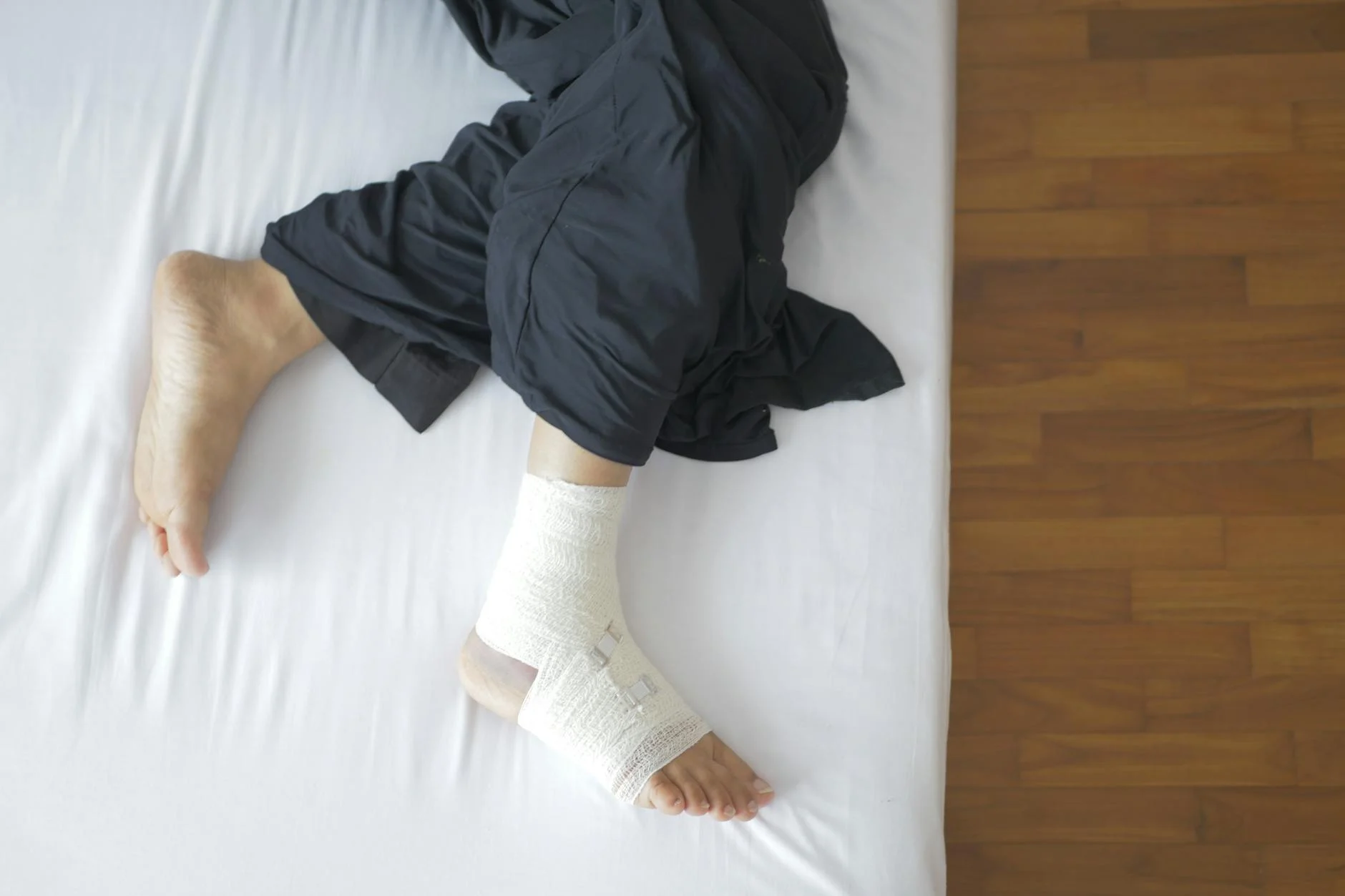
Pain in the top of the foot can appear when taking the first steps, walking uphill or even putting on shoes, and is usually related to the way the instep takes on load and to the condition of the tendons, joints and bones of the midfoot. In practice, it is a relatively common symptom in people who walk a lot, run, change footwear or train with sudden changes in volume, pace or surface. The key point is not to focus only on the symptom: the instep is an exposed area, and its pain usually reveals a specific cause that is worth identifying.
When the pain is especially noticeable while walking, footwear friction, overloading of the extensor tendons that lift the toes, or structural alterations such as a high-arched or flat foot, which change how pressure is distributed, are often involved. There may also be less common but important situations, such as stress fractures or nerve compressions, which require a more detailed assessment. Knowing how the pain behaves and what signs accompany it helps determine whether home care is enough or whether it is advisable to see a professional.
What exactly is the instep and why does it hurt with movement?
The instep is the dorsal part, that is, the upper area of the foot. Several bones of the midfoot and forefoot are concentrated beneath the skin, along with structures that work together to allow walking: tendons, ligaments and finely coordinated joints. In functional terms, the instep contributes to stability and movement control when the foot contacts the ground and when the toes prepare for push-off. That is why, when it hurts while walking, the pain usually increases with repeated movement and loading.
The extensor tendons work in this area, allowing the toes to be lifted and contributing to the tension needed to prevent the foot from collapsing inward or downward. If these tendons become irritated due to excessive demand or biomechanics that force them more than usual, localized pain, a feeling of tightness and, in some cases, swelling appear. The result is a kind of mechanical brake: walking stops being an automatic act and becomes a painful stimulus.
In addition, the instep is an area where nerves and small blood vessels cross. When footwear presses on the top of the foot or there is inflammation nearby, these structures can become sensitized. There are also cases in which the shape of the foot determines areas of tension: a higher instep can create a different loading pattern, while a more collapsed foot can alter the way weight is distributed along the midfoot. Understanding this architecture explains why two people with the same pain may have different causes.
The most common causes of pain in the instep when walking
Among the most common reasons is extensor tendinitis or tendinopathy, meaning inflammation or irritation of the tendons that lift the toes. It usually appears due to overuse, for example after increasing activity, returning to sport after some time away or wearing shoes that are too narrow and rub or compress the area. The instep hurts with each step and when putting on shoes, and sometimes the discomfort partially improves with rest. The combination of pain with activity and with footwear pressure is a common clue.
Another relevant cause is stress fractures in the metatarsals or nearby structures. This is not a fracture caused by a single impact, but a loss of continuity due to repetition: accumulated microtrauma that the bone does not have time to repair. It is often related to a sudden increase in load, exercise started or resumed too intensely, or periods of inactivity followed by activity. In these cases, the pain tends to be progressive and to worsen with walking and weight-bearing.
Structural alterations also have a major influence. In a high-arched foot, the instep sits higher and the tendons and muscles may be placed under greater tension, resulting in pain in the upper part of the foot and sometimes associated discomfort in the heel or forefoot. In a flat foot, the instep tends to sink and load distribution changes, which can lead to pain after specific activities and sensations such as clumsiness when walking or cramps. The mechanics of the foot can turn discomfort into a persistent problem if the underlying cause is not corrected.
When the pain comes with a lump, heat or skin changes
Not all instep pain comes from a tendon or bone. If the pain is accompanied by a lump, dorsal ganglion cysts of the foot should be considered. These form through an accumulation of joint fluid and can vary in size. The lump is usually noticeable to the touch and may hurt more when wearing footwear that presses on the area. Although it is not always serious, differential diagnosis matters because this is not simply superficial inflammation. A visible lump that hurts when putting on shoes deserves clinical evaluation.
There are also fungal infections that affect the skin and tend to thrive in damp environments. In some cases, irritation between the toes or in the side areas can spread toward the instep, with scaling, itching and associated pain. Scratching or macerating the skin can make the area more sensitive and reduce tolerance to footwear. If the pain is combined with skin changes, the approach must include the skin as well as the musculoskeletal system.
Another group of less common causes includes joint or inflammatory problems that can radiate pain toward the upper part of the foot. Gout, for example, is a rheumatic disease characterized by uric acid crystals that trigger intense inflammation in the joints. Although it usually begins in the big toe, when the flare is more pronounced, the pain can spread and reach the instep. A pattern of acute pain, often worsening at rest, is an informative sign.
Signs that point to a nerve or a mobility problem
When the pain is described as sharp, with stabbing sensations or numbness, nerve entrapment should be considered. In this situation, a nerve branch may become compressed by bone or muscle structures, or by sustained pressure, such as that caused by tight footwear on the top of the foot. This type of pain is often accompanied by unusual sensations: tingling, numbness or changes in sensitivity. If there are neurological changes, the assessment should go beyond simply adjusting the footwear.
Mobility also matters. Conditions such as tarsal coalition, an abnormal connection between tarsal bones that may be congenital, can cause stiffness and instability. In everyday life, this may translate into persistent pain, a feeling of blockage and difficulty finding a comfortable walking pattern. In this case, the instep may hurt as part of a broader set of movement limitations. Progressive stiffness or recurring instability are signs that should not be ignored.
Another important point is that some injuries show up upon waking or during the first steps and then gradually ease, without disappearing completely. This can be seen in conditions related to inflammation and irritated structures of the ankle and tarsus, where a kind of stiffness develops and gradually loosens. How the pain behaves throughout the day can be just as useful as its location.
When to worry and seek medical attention
Most instep pain has a mechanical origin that can be treated with conservative measures, but some situations require prompt attention. If the pain is very intense, appears after a sudden increase in activity with progressive worsening, or is accompanied by an inability to bear weight or walk normally, bone injuries such as stress fractures must be ruled out. In particular, when the pain does not improve with relative rest and returns with every attempt to walk, proper assessment becomes the priority. Persistent pain when bearing weight is one of the clearest red flags.
It is also advisable to consult a professional if there are notable inflammatory signs such as marked swelling, significant local heat or intense redness, or if the pain is accompanied by fever or a spreading rash. If a lump grows, clearly hurts to the touch and changes in size, it may be a cyst or another lesion requiring diagnosis. When there are rapid changes in size or disproportionate pain, it is better not to wait.
If neurological symptoms such as numbness, loss of sensation or weakness in the foot appear, the problem should not be allowed to continue. Nerve entrapment does not usually resolve simply with patience when sustained compression is present; it often requires load adjustment, changes in footwear and, sometimes, therapeutic intervention. The combination of pain and a tingling sensation is a reasonable reason to request an evaluation.
What a professional can do and which treatments are usually recommended
Medical diagnosis is usually based on the medical history and physical examination: exactly where it hurts, which movements trigger it, whether swelling is present, whether there is limited mobility or localized sensitivity at a particular point. Depending on the suspected cause, imaging tests may be needed to distinguish between a tendon, joint or bone origin. The goal is to identify the specific cause, because not all instep pain is treated in the same way.
When addressing inflammatory tendon problems, nonsteroidal anti-inflammatory drugs are commonly used, both topical and oral, always according to clinical advice. Relative rest and load reduction are part of the plan, along with elevating the foot when there is inflammation. It is also generally recommended to avoid direct pressure on the dorsal area by wearing footwear with a better fit and a stable sole. Reducing mechanical irritation is usually the first therapeutic step.
Physiotherapy often plays a central role in tendinopathies and biomechanical alterations. Programs usually include strengthening the muscles of the foot and ankle, as well as stretching and mobility work to reduce repetitive tension. In some cases, additional support or stabilization is recommended, such as a protective bandage or the use of crutches if the pain prevents weight-bearing. Conservative treatment tends to combine pain control with correction of the movement pattern.
When a cause such as a ganglion cyst or a persistent deformity is identified, the intervention may vary. In some cases, specific treatment to decompress or remove the lesion may be considered. With stress fractures, the approach is usually much more cautious: reduce the load, protect the bone and follow a gradual return that prevents relapses. The recovery phase is not a cosmetic matter: it is biomechanical and biological.
What to do at home to relieve pain when walking without making it worse
For home care, the first rule is not to make things worse. If the pain appears after an increase in activity or with footwear that rubs the top of the foot, it is advisable to reduce the load for a few days and replace some walking with activities that do not impact the foot as much, such as swimming or low-impact exercises if they are tolerable. The idea is to give the irritated tissue room to calm its inflammatory response without abandoning movement altogether. Relative rest and intelligent loading can make all the difference.
During the acute phase, cold can help control discomfort and inflammation. Applying ice wrapped in a cloth for reasonable intervals usually reduces pain and local sensitivity. It is also common to recommend protective measures for the instep, such as keeping the foot elevated whenever possible and avoiding direct pressure from footwear. If the pain is active, temperature control and reduced friction are allies.
When the goal is to relieve discomfort without causing more inflammation, alternating warm and cold water baths may also help, always taking care not to prolong exposure too much and maintaining hygiene and comfort. Some patients find that gentle massage with a bottle from the heel toward the toes releases tension, although this should be avoided when there is very localized stabbing pain or when the area is severely inflamed. Manipulation should feel supportive, not harmful.
The skin also influences pain: if a fungal infection is suspected, the strategy is not only to reduce rubbing, but also to keep the foot dry and clean, avoiding prolonged damp environments. If there is significant scaling or itching, management should be directed toward that component. Pain accompanied by skin changes calls for reviewing the underlying cause, not just the area.
Footwear, laces and adjustments: the detail you notice most when walking
Footwear can be the silent trigger behind pain in the top of the foot. A shoe with a narrow instep, a stiff tongue or laces that are too tight can compress the tendons and dorsal structures, especially when the foot swells after standing. In many cases, the pain does not appear while sitting; it starts when walking and intensifies when the footwear is tightened. If the pain flares up when putting on shoes, the fit is part of the problem.
Checking the actual size is essential. The length may be correct, but the fit in terms of width or instep height may not be. Often, loosening a pair of eyelets, using lacing systems that reduce focal pressure or choosing footwear with a better fit can reduce irritation. A stable sole and cushioning suited to the type of foot strike also help. The goal is not to change footwear just for the sake of changing it: it is to adapt the interface between the foot and the ground.
In some cases, using insoles or other supports can redistribute load when patterns such as a high-arched or flat foot are present. This does not mean that every pain problem can be solved with an accessory, but biomechanics may require progressive correction. As a complement, physiotherapy can provide exercises to improve ankle control and foot strength, reducing tension in the extensors. When the distribution of forces is corrected, the instep usually stops taking the punishment.
Prevention: how to reduce the likelihood of relapses
Prevention begins with the same principle as relief: controlling the load. Sudden changes in the number of steps, type of terrain or training time are often the spark that sets off tendinopathy or causes overload in the midfoot. A gradual increase in activity, with reasonable rest periods, gives the tissue an opportunity to adapt. Progression is a way to protect the instep.
Warm-up and mobility also help. Working on ankle activation and preparing the foot muscles before walking quickly or training can reduce stress on the dorsal tendons. Likewise, after activity, gentle stretching and control exercises can reduce accumulated tension. Consistency in daily care is usually more effective than occasional changes.
If there is a marked tendency toward a high-arched or flat foot, it is worth paying attention to early signs: discomfort that appears when starting to walk, localized pain that recurs in the same circumstances and fatigue in the instep after exertion. Identifying this pattern early prevents overloading from becoming a persistent problem. When the body gives you timely warning, the room for recovery is usually greater.
A look at common diagnoses in athletes and walkers
In runners and highly active people, pain in the top of the foot when walking may be associated with extensor overload due to training changes or shoes with an unsuitable shape. During long walks, the effect of progressive swelling is also noticeable: the foot expands slightly and the instep receives more pressure from the laces. This combination explains why the pain may be more noticeable halfway through or at the end of the walk. The time of day and the end of the effort provide clues about the mechanical origin.
In people who have resumed activity after a period of inactivity, the bone may suffer micro-injuries due to a lack of adaptation. If the pain is deep, localized at one point and intensifies when bearing weight, stress fractures should be considered. Treatment in these cases tends to be conservative and protective, with load reduction and clinical follow-up, because pushing through can prolong recovery or worsen the injury. A correct diagnosis prevents a long recovery caused by doing the same old thing, only with pain.
In cases involving stabbing pain and altered sensitivity, the origin may be a nerve, which connects with the use of tight footwear, sustained postures or nearby inflammation. The way the sensations feel, such as prickling or tingling, helps guide the action plan. Understanding how it hurts helps you understand what is happening underneath.
Practical care, but with good judgment: what usually helps and what to avoid
When the pain is mild and associated with activity, it usually helps to keep the foot in stable conditions: ice if there is inflammation, elevation if it improves comfort and temporary reduction of the load that triggers it. It also helps to avoid walking barefoot if the pain increases on hard surfaces, and to switch to footwear with better support and enough room for the instep. Protecting the area without completely immobilizing it is usually more realistic.
It is best to avoid aggressively stretching a highly irritated area or insisting on training through the pain, as this can perpetuate the inflammation. Likewise, if a lump, very localized pain to the touch or skin changes appear, it is not a good idea to automatically attribute them to overuse. The more specific the symptom, the more important it is to refine the cause.
As for techniques at home, some people use baths and massages to reduce tension; these can be useful if the pain allows it and if they are performed gently. However, if the instep hurts with intense stabbing pain, if its size increases rapidly or if the pain does not subside after reducing the load, it is wise to seek medical assessment. The line separating patient care from clinical examination is persistence and intensity.
What to understand about recovery when instep pain persists
Recovering from an instep problem is rarely immediate. Tendons and midfoot tissues need time to remodel, and returning to walking as before without respecting adaptation can cause relapses. For this reason, progress is usually gradual: first the pain at rest improves, then it improves when putting on shoes and then when walking, and finally tolerance for longer efforts returns. Recovery is a process, not an abrupt date on the calendar.
In some cases, the underlying cause persists even though the pain decreases, as happens when there is a structural alteration or biomechanics that continue to load the foot improperly. In those situations, physiotherapy, footwear support and gradual training adjustments create the conditions for preventing the pain from returning. If the cause does not change, the symptom usually finds a way to come back.
When stress fractures are involved, patience is especially important: the bone needs time to repair and activity must be reintroduced in phases. If it is pushed too soon, the pain may return and healing may be delayed. Protecting the bone protects the future of walking.
A painful instep does not always mean the same thing, and that is the advantage
Pain in the instep when walking usually has mechanical causes, but the range is broad: from irritated tendons and footwear rubbing to stress fractures, nerve entrapments or inflammatory problems that can radiate toward the dorsal part of the foot. The difference between a temporary problem and a persistent one lies in recognizing the pattern: when it appears, what makes it worse, what signs accompany it and how long it takes to improve. Observing the details often shortens the path to a solution.
In the end, the instep is an area involved in every step and that takes on load at specific moments of walking. If activity is adjusted, footwear is taken care of, reasonable relief is applied when there is inflammation and medical advice is sought when there are warning signs or no improvement, most cases can be brought back on track. The key is not only to remove the pain, but to reach the cause producing it.
If instep pain while walking persists, worsens or comes with marked swelling, a lump, skin changes or neurological sensations, the next step should be a clinical assessment. A well-directed examination prevents assumptions and reduces the risk of prolonging the injury. When the instep keeps hurting repeatedly, it is worth listening to that information as a map, not as a nuisance.
What runners should keep in mind
Instep pain can affect your foot strike and push-off, so avoid compensating for it or running on if each stride makes it worse. It can sometimes follow a sudden increase in mileage or intensity, a change of running surface, or shoes that press on the top of the foot. Checking the fit and loosening the laces over the tender area may ease that pressure, though it will not necessarily address the underlying cause.
If discomfort starts during a run, cut back or stop and see how your foot feels when walking and at rest. A gradual return makes sense only if activity does not aggravate the pain. If it persists or worsens, swelling develops, or bearing weight is difficult, consult a healthcare professional before training again; instep pain can have different causes that need to be identified.
Medical reference: Pain in the top of the foot, NHS.



How to prevent thigh chafing: causes and real solutions

Women’s running windbreakers: seven jackets and how to choose

Do more workouts get rid of soreness? A guide for runners

Jaén Half Marathon 2026: Record 3,800 Runners Registered

Men’s short running tights: how to choose the right pair

World Triathlon confirms data breach involving medical data

Izan Edo targets podium at Miyazaki World Cup

María Pérez ranks ninth in World Athletics’ 2026 top ten

Dos Santos, Duplantis and Sawe: World Athlete of the Year finalists

San Silvestre Vallecana 2026: 42,000 places, prices and start times

 Races4 months ago
Valencia Half Marathon 2027: date and registration

 Races4 months ago
Valencia Marathon 2026: entry, ballot and course
 Reviews and Comparisons4 months ago
Asics Gel-Roadmiles 3 for men: review and current price

 Reviews and Comparisons4 months ago
Asics Gel Sonoma 8 Gore-Tex: complete analysis for trail and rain

 Sneakers4 months ago
Saucony Endorphin Pro 4: full review and verdict

 News5 months ago
Strava API 2026: what changes for clubs, challenges and runner apps?

 Reviews and Comparisons5 months ago
Nike Alphafly 3: opinions, sensations, and real key points
 Reviews and Comparisons4 months ago
Under Armour running shoes review 2025-2026: models and key features
 Sports Equipment4 months ago
Shoe sizes in cm: a clear guide to getting the right fit for your footwear

 Sneakers3 months ago
Skechers GO RUN Consistent 2.0 analysis: comfort and limits

 News5 months ago
Valencia Marathon 2026 route: key tips to train and run better

 Sneakers4 months ago
Adidas Adizero Boston 13 for men: review and verdict