News
Used treadmill: guide for runners of all levels
Keys to buying a used treadmill without surprises: price, space, technical inspection, and common risks.

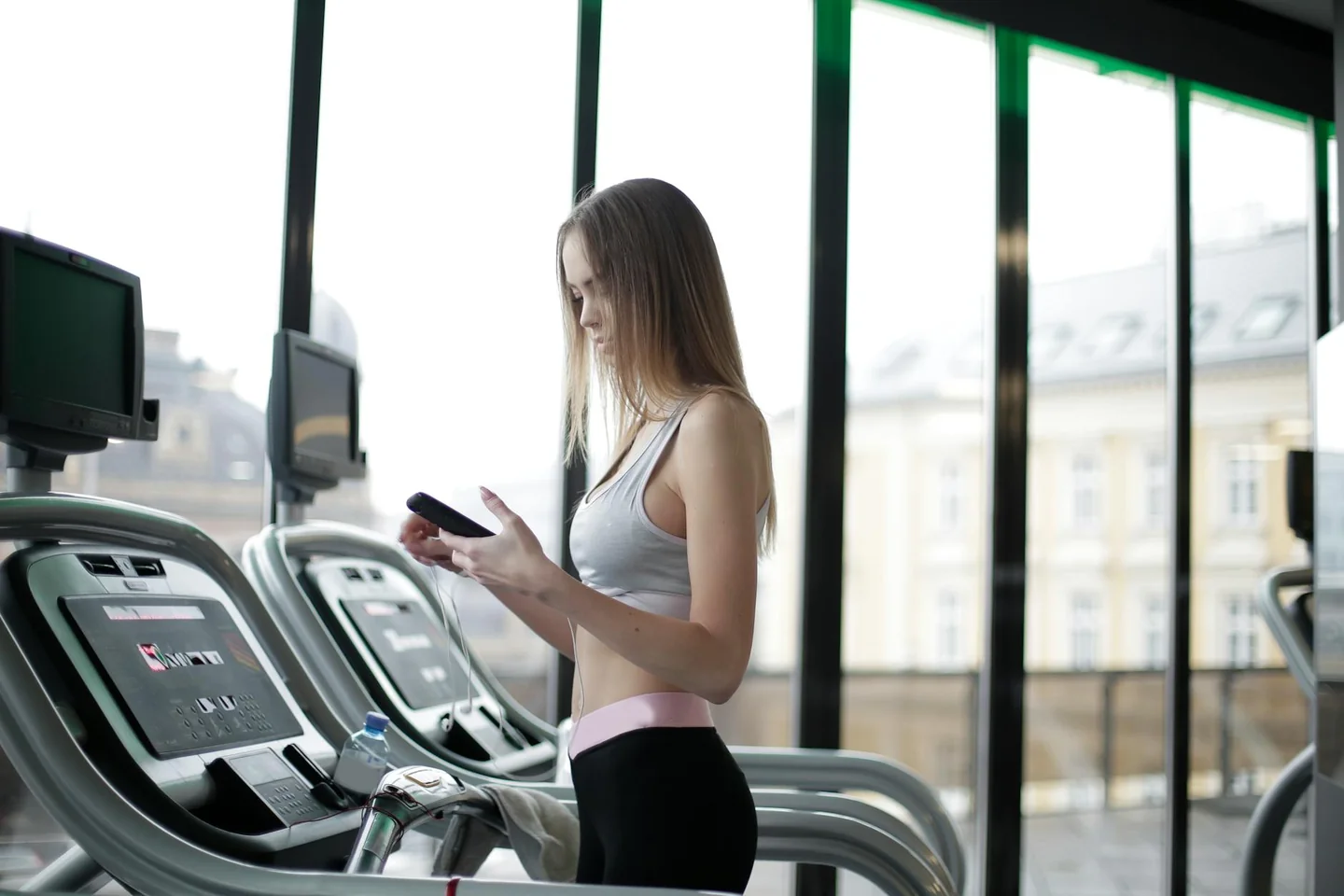
Imagen: Andrea Piacquadio / Pexels
The used treadmill market is very much alive because it gives access to machines that, when new, are often out of the household budget. The ads are full of folding models, compact walking and light jogging equipment, professional versions, and options with Bluetooth, motorized incline, or a digital screen. The price difference with a new unit can be notable: in recent listings on buying-and-selling and refurbished platforms, discounts ranging from 44% to 70% can be seen depending on condition, brand, and type of use.
Buying only makes sense if you look beyond the price. A second-hand treadmill can be a very good opportunity for a small apartment, a home garage, or a moderate training routine, but it can also hide a tired motor, a worn belt, or an unstable console. The real value is not set by the listing, but by the combination of previous use, maintenance, power, dimensions, noise level, and safety.
What the second-hand market says
Current listings draw a clear pattern: folding treadmills dominate, along with those designed for home use and models with a compact running surface. The listings show common top speeds of 10, 12, 14, and 16 km/h, power ratings from 1,000 to 1,500 W in home equipment, and maximum user weights ranging from 90 to 150 kg depending on the model. Accessories that have almost become standard also keep appearing: phone or tablet holder, transport wheels, safety key, and preset programs.
Prices move within a very wide range. There are listings below 100 euros for basic machines or ones with little visible technical information, while models from well-known brands such as BH, Domyos, NordicTrack, ProForm, Cecotec, Fytter, or Fitfiu can go beyond 300 or 400 euros when they are better preserved. At the high end, a refurbished professional or semi-professional treadmill can reach much higher figures, but still below the cost of buying new.
The most useful picture is not the isolated listing, but the whole set. General marketplaces show thousands of references, while specialized refurbished sellers tend to emphasize warranty, technical inspection, and permanent stock. That difference matters: a machine may look similar on the outside, but it will not cost the same if it has gone through a real mechanical check or if it is sold exactly as it left the previous owner’s home.
What models are most common and why that matters
The dominance of folding treadmills is no coincidence. In urban housing, space rules. A machine with a folding system, wheels, and compact dimensions fits better in multipurpose rooms, studios, or living rooms where every meter counts. That is why so many ads highlight phrases like easy to store, compact, ultra-slim, or ideal for home. For brisk walking, jogging, or maintaining an aerobic base, that format is usually enough.
More serious equipment also appears, designed for regular training. The ads show speeds of up to 18 km/h, motorized inclines of 10% and even 12%, multiple programs, and app connectivity. That level changes the conversation: it is no longer just a machine for moving around, but a device that lets you progress and vary sessions. If you buy second-hand, the decisive point is not the brand sticker, but the accumulated wear on the motor, cushioning, and running belt.
Brands matter more than it may seem. BH, Domyos, NordicTrack, ProForm, Bodytone, or Technogym usually inspire more confidence in buyers because there is history, spare parts, and a clearer idea of durability. That does not eliminate the risk, but it does help. In a home treadmill, the structure, electronics, and belt can age unevenly; that is why a well-kept unit from a recognized brand is usually more defensible than a model with no clear references, even if the initial price is tempting.
How to assess a machine without falling into an impulsive purchase
The inspection should start with what is visible and end with the mechanical. The running deck has to be straight, with no shiny areas from excessive wear or cuts on the sides. The belt should not slip when walking or running, and the motor should not make sharp knocks, squeaks, or strange vibrations. If the treadmill includes incline, it is worth checking that it goes up and down smoothly, without jerks or blockages.
The console also matters, even if it is sometimes underestimated. Many listings mention LCD or digital screens that show speed, time, distance, calories, and pulse. That panel is not decoration; it is the interface between the machine and the user. When it fails, the experience gets much worse. In several real listings, a very common example can be seen: the treadmill works, but the screen goes crazy, changes data on its own, or loses part of the reading. It may seem minor, but it makes repairs more expensive and reduces the equipment’s real value.
Safety deserves a separate check. The emergency stop key, the cut-off cord, or the stop button are not decorative accessories. If they are missing or do not work properly, it is better to walk away from the purchase. It is also worth checking that the handles, front support, and transport wheels are firm, because any looseness in a heavy machine is noticed immediately when the belt starts moving.
Space, weight, and noise: the least glamorous and most decisive part
A treadmill takes up more space than it seems in the photo. Even when folded, it still has height, width, and a certain volume. Some home models weigh between 20 and 25 kg, but others get close to 60, 80, or even more. That completely changes the logistics of carrying it up stairs, transporting it by car, and placing it in its final spot at home. Several listings warn that two people, a van, or a large vehicle are needed. That is not a minor detail, it is part of the real cost.
The dimensions of the running surface determine what kind of use is possible. A belt of 40 x 110 cm may work for walking and light jogging, but it falls short for long strides or faster training. By contrast, surfaces of 40 x 120 cm or 42 x 130 cm offer a bit more room. In higher-end equipment, more generous measurements can be seen, and that is appreciated when the pace picks up or the runner is taller than usual. A narrow belt forces you to run with more attention; a wider one brings calm and stability.
Noise is another practical filter. In an apartment with neighbors, the sound of the motor, the impact of the footfalls, and the vibration of the frame matter just as much as power. Some listings emphasize that the machine is quiet; others say nothing, which usually means you should be cautious or test it in person. The cushioning, the feet, the weight of the whole unit, and the overall quality of the frame all help reduce that echo of footsteps that can turn into a domestic hammer at certain hours.
The difference between a cheap used one and a refurbished one
Not all second-hand treadmills play in the same league. A unit sold between private individuals usually offers the lowest price, but also the least protection. The seller may simply say it works or that it has barely been used, with no proof beyond trust. By contrast, a refurbished treadmill normally goes through a functional check, cleaning, mechanical inspection, and, in some cases, a 12-month warranty. That explains why the price is higher, but also why the purchase is more predictable.
The warranty changes the kind of risk the buyer takes on. A one-year coverage does not turn an old machine into a new one, but it does reduce exposure to an early failure. For someone looking for security and not wanting to negotiate every screw with a stranger, that difference can be decisive. In addition, specialized platforms usually describe the condition in more detail: very good, good, excellent, or restored, a scale that helps more than a generic phrase like in good condition.
Provenance also matters. A home machine used for 20 minutes of walking a day does not age the same way as another subjected to intervals, incline, and long sessions. The same goes for machines coming from gyms, hotels, or training studios: they may be very well cared for, but they can also have accumulated intensive working hours. In the second-hand market, real use is worth almost more than the purchase date.
Signs of a sensible purchase and warning signs
A reliable listing usually offers concrete data: brand, model, maximum speed, incline, dimensions, machine weight, maximum supported weight, and operating condition. The more technical information there is, the easier it is to compare and the more likely it is that the seller knows the machine well. Clear photos, with no hidden angles, help much more than an image taken from far away or with a background that hides key details.
Lack of precision is a sign to be cautious. If the year is not specified, it is not made clear whether the console works, the use is not mentioned, or testing is not allowed, the price has to make up a lot for that gap. It is also wise to distrust descriptions that are too perfect when the machine is already several years old. No mechanical machine ages without leaving a trace; sooner or later marks appear on the belt, looseness, small vibrations, or wear on the casing.
There is a simple rule that usually saves headaches: a good treadmill not only starts, but keeps the pace, responds to speed changes, does not smell of overheating, and does not jerk when weight is applied. If the seller allows you to test it for a few minutes, that is worth more than a long description. Cardio equipment has a very honest way of telling the truth: you just have to listen to it.
Prices, negotiation, and real value
The difference between asking price and real value is usually wide. In the listings seen, the same logic repeats itself: sellers raise the amount a little to leave room for negotiation, especially when the machine includes accessories, a manual, a safety key, or still has its packaging. In very lightly used models, the seller’s pitch usually revolves around like new, barely used, or unopened, but that expression does not replace a physical test or a verifiable usage history.
The percentage savings can be attractive, but they should not blind you. Buying a treadmill for 120 euros when it cost 300 new may seem like a great deal, and in many cases it is. However, if the belt, motor, board, or console later need replacing, the apparent bargain disappears quickly. A machine for 200 or 300 euros with a clear history, inspection, and good condition may be better than another for 100 euros with many unknowns. The useful final price is the one that does not force you to spend again a few weeks later.
The brand and segment of the model weigh heavily in depreciation. High-end treadmills usually lose a lot of value when they leave the store, but they keep their structure, cushioning, and solid feel better. Mid-range ones depreciate more linearly and are usually the best fit for a second-hand home purchase. In practice, that difference is noticeable in running stability, motor response, and remaining useful life.
Who it makes sense for and who it doesn’t so much
A used treadmill fits very well for specific profiles: people who want to walk at home every day, runners who complement outdoor training, families looking for a shared machine, or users who prioritize savings and space. It is also useful for gentle rehabilitation or for gradually returning to exercise, always within sensible use and without pushing too hard.
It is not the best option for everyone. Anyone looking for very intense sessions, a wide stride, or frequent work at high speeds will need a sturdier structure and a more generous belt. In those cases, a cheap used machine can fall short quickly. It also does not make sense if the home does not allow it to be moved comfortably, if noise could become a problem, or if there is no stable place to keep it set up.
The sensible purchase is the one that fits the routine and the home. That combination is worth more than any flashy discount. A well-chosen second-hand treadmill can last for years and become a discreet, almost domestic appliance, occupying its corner like an exercise bike from another era: nothing flashy, but useful every time it is time to move without going out into the cold, traffic, or rain.
A useful market, but full of nuances
Second-hand works especially well when the buyer knows how to read wear. On a treadmill, what matters is not only that it turns on, but that the whole unit keeps tension, stability, and response. The condition of the motor, belt, console, and incline defines the purchase much more than the exterior appearance. A clean and pretty machine may be worn out inside; another with some signs of use may still provide excellent service.
The best reference is still the combination of data and real testing. Price, brand, dimensions, warranty, type of previous use, and the possibility of checking it in operation form the core of a sensible decision. The market offers a lot: from very basic walking treadmills to robust home training models with connectivity and multiple programs. The difference between getting it right and paying too much is often just a few minutes of attention and not being dazzled by the apparent savings.
A well-tuned purchase leaves a feeling similar to finding a flat route at the end of a climb: it does not remove the effort, but it makes it easier to bear. In this segment, where thousands of listings abound and real bargains coexist with worn-out equipment, caution is worth as much as the offer. The right treadmill will not be the flashiest one, but the one that stands the test of time without breaking the rhythm of the person using it.
Este artículo contiene enlaces de afiliado: si compras a través de ellos, se genera una pequeña comisión sin coste adicional para ti. Más información.



How to prevent thigh chafing: causes and real solutions

Women’s running windbreakers: seven jackets and how to choose

Do more workouts get rid of soreness? A guide for runners

Jaén Half Marathon 2026: Record 3,800 Runners Registered

Men’s short running tights: how to choose the right pair

World Triathlon confirms data breach involving medical data

Izan Edo targets podium at Miyazaki World Cup

María Pérez ranks ninth in World Athletics’ 2026 top ten

Dos Santos, Duplantis and Sawe: World Athlete of the Year finalists

San Silvestre Vallecana 2026: 42,000 places, prices and start times

 Races3 months ago
Valencia Half Marathon 2027: date and registration

 Races3 months ago
Valencia Marathon 2026: entry, ballot and course

 Reviews and Comparisons4 months ago
Asics Gel-Roadmiles 3 for men: review and current price

 Reviews and Comparisons4 months ago
Asics Gel Sonoma 8 Gore-Tex: complete analysis for trail and rain

 Sneakers3 months ago
Saucony Endorphin Pro 4: full review and verdict

 News5 months ago
Strava API 2026: what changes for clubs, challenges and runner apps?

 Reviews and Comparisons5 months ago
Nike Alphafly 3: opinions, sensations, and real key points

 Reviews and Comparisons4 months ago
Under Armour running shoes review 2025-2026: models and key features

 Sports Equipment4 months ago
Shoe sizes in cm: a clear guide to getting the right fit for your footwear

 Sneakers3 months ago
Skechers GO RUN Consistent 2.0 analysis: comfort and limits

 News5 months ago
Valencia Marathon 2026 route: key tips to train and run better

 Sneakers4 months ago
Adidas Adizero Boston 13 for men: review and verdict