Health and Nutrition
How do blisters heal without complications or infections?
Most disappear on their own, but proper care reduces pain, rubbing, and infections.

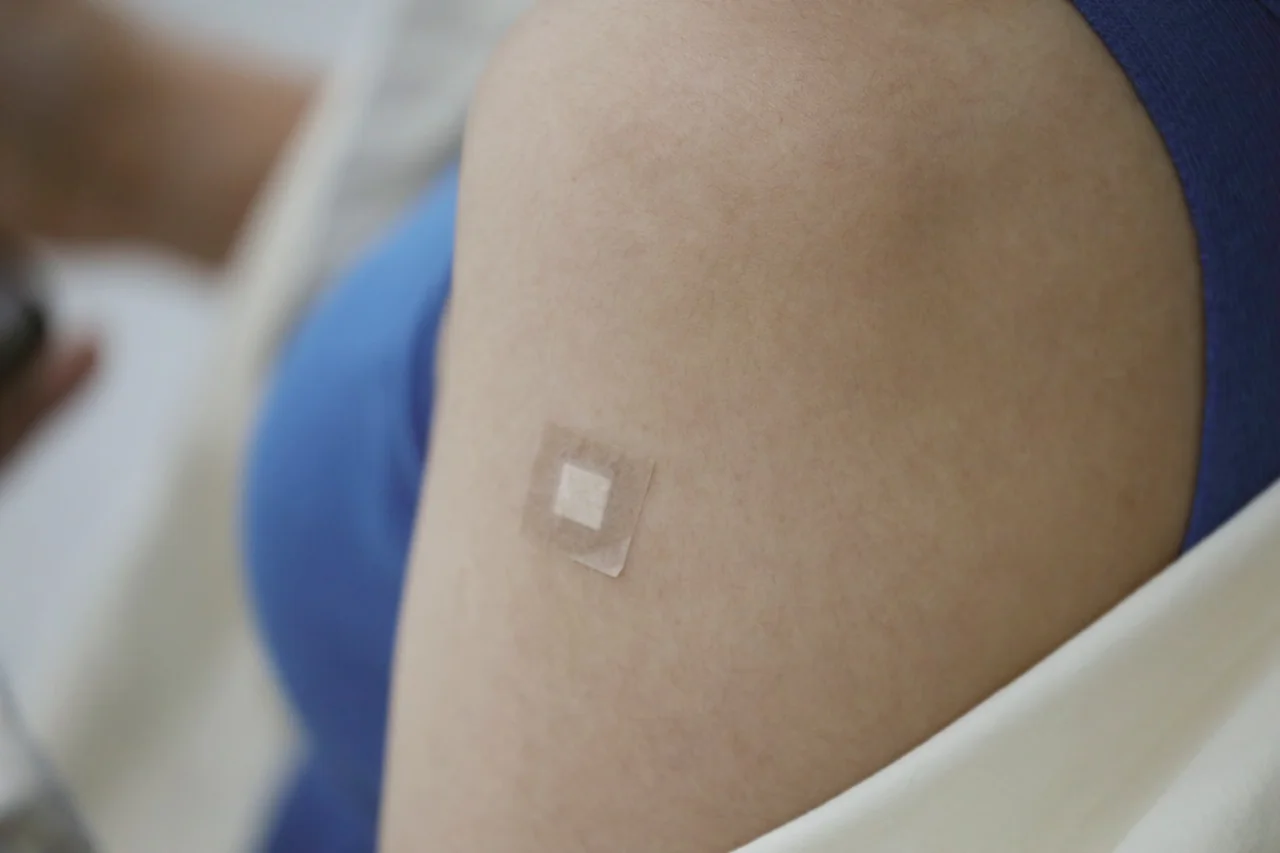
Blisters usually heal on their own, but the way they are protected in the first few hours makes the difference between a passing nuisance and a wound that becomes complicated. The skin covering them acts as a natural barrier; breaking it too soon often opens the door to bacteria, delays healing, and prolongs the pain.
In practice, the most effective treatment is simple: clean gently, cover without tightening, eliminate the friction that caused them, and watch for signs of infection. When the blister is small and intact, leaving it alone is usually the best decision. When it is large, painful, or in a weight-bearing area, it may need careful drainage, but it is not always advisable to do it at home.
Why they appear and why they usually resolve on their own
A blister is a small pocket of fluid that forms in the outermost layer of the skin. It usually appears due to repeated friction, heat, burns, rubbing from footwear, or, in some cases, skin diseases, allergic reactions, or infections. In runners, hikers, and people who spend many hours on their feet, the scenario is familiar: the foot rubs, the skin becomes irritated, and the body responds by separating layers of the epidermis to create a small protective cushion.
That reaction has a biological logic. The fluid that fills the blister helps cushion the damaged area while new skin forms underneath. That is why popping it unnecessarily is a common mistake. The natural covering reduces exposure to the outside and acts as a temporary roof over the sensitive tissue. If it does not break and does not become infected, the body usually resolves it on its own within several days.
Not all of them evolve the same way. Smaller ones, especially those that do not bear weight or continue rubbing against footwear, tend to dry out and reabsorb. Larger ones or those located on the sole of the foot, the heel, or the edge of a toe suffer more from daily pressure and may take longer to close. The key is not to rush at any cost, but to prevent further damage while the skin completes the repair process.
What you should do first when one appears
The initial response should be gentle. Washing the area with warm water and mild soap is enough in most cases. Then pat dry without rubbing, and cover with a clean bandage or a non-stick gauze pad to reduce contact with clothing, footwear, and dirt. If the blister is in a constant friction point, such as the heel, a ring-shaped pad around the lesion can relieve pressure without crushing it.
In sports, this part matters especially. A blister during a long workout behaves like a stone in your shoe: each step hits it a little more. That is why stopping the friction is as important as healing the skin. Changing socks, loosening laces, checking the fit of the footwear, or stopping the activity that caused it can prevent a small injury from turning into an open sore.
It is also wise to let the area air out when possible, as long as there is no risk of dirt or impact. Ventilation helps keep the surface drier, but it does not replace protection. At home, for example, a small blister on the foot may rest better for a few hours out of the shoe, always under watch and with proper hygiene. What does not help is constant friction, excessive heat, or trapped moisture—a perfect cocktail for the problem to persist.
When to leave it intact and when to consider draining it
The general rule is clear: a small, clean, and not very painful blister is left intact. That top layer of skin is valuable and should be preserved. Even if it is tempting to drain the fluid to relieve pressure, the benefit is usually limited when the lesion is small and closed. In many cases, all that is needed is to protect it until it flattens on its own.
Drainage may be considered when the blister is large, very painful, or located in a place where it is difficult to prevent it from breaking on its own. It may also be considered if its size makes every step uncomfortable or if the wall is so tense that it seems about to open. Even so, the procedure should be done with extreme hygiene and only when the risk of leaving it alone is worse than the risk of intervening.
A blister should not be drained in people with diabetes, circulation problems, immunosuppression, HIV, cancer, or heart disease, because the risk of infection and poor healing is higher. Blisters linked to contagious diseases or to skin lesions of uncertain origin should also not be punctured. In those cases, prudence matters more than discomfort.
How to safely drain one when it is truly necessary
If it is decided to drain it, the procedure should be clean and brief. First, wash your hands. Then clean the skin around the blister with soap and water. A needle previously disinfected with alcohol is used to make a small puncture at the edge, never in the center, to allow the fluid to escape little by little. The idea is not to force it empty, but to relieve pressure with as little trauma as possible.
After that, dry gently, apply a thin layer of petroleum jelly or a protective ointment recommended by a professional, and cover with a non-stick gauze pad. The skin covering the blister should not be torn off. Although it may seem excess, it acts as a biological dressing. Removing it dry usually leaves the living tissue exposed and multiplies the pain when walking or rubbing against the sock.
When a blister has already broken on its own, care does not change much, but it does require closer monitoring. The area should be washed, the skin flap placed back if it is clean and well positioned, and it should be covered with a dressing that does not stick to the wound. No hydrogen peroxide or alcohol on the open wound: they can irritate the tissue and delay repair. The goal is to clean without causing harm.
Signs that healing is not going well
The body usually gives fairly recognizable warnings when a blister becomes infected. Spreading redness, increasing pain, local heat, swelling, reddish streaks coming out of the area, or pus are warning signs. Fever strengthens the suspicion. At that point, it is no longer just a superficial wound, but a possible complication that may need medical evaluation.
A blister that does not improve, appears repeatedly without a clear cause, or shows up again and again also deserves attention. When lesions recur in the same area, there may be a problem with footwear fit, excess moisture, heavy sweating, an altered gait, or an underlying skin condition. The blister is the symptom; the problem is sometimes underneath.
In people with diabetes or circulation disorders, even a small lesion deserves special attention. The skin of the foot has less room to tolerate an infection or poor healing. For that reason, a blister in these cases should not be treated as a simple sports nuisance, but as a potential entry point for more serious complications.
The role of footwear, socks, and moisture
Many blisters are related to a very specific trio: poorly fitting shoes, moisture, and friction. Footwear that is too tight compresses; footwear that is too loose moves around; both rub. Socks, if they bunch up or do not absorb sweat well, can worsen the problem. At heart, the skin suffers not only from contact, but from the tiny, almost mechanical repetition of that contact with every step.
That is why materials matter. Fabrics that wick away moisture usually work better than those that trap it. During long activities, changing socks if they become soaked and checking pressure points can prevent the skin from reaching its limit. On a mountain outing, a run, or a long workday, the foot does not warn dramatically; first it gets warm, then it stings, then redness appears, and if the friction continues, a blister forms.
There are also small habits that reduce the risk: checking the inner seams of footwear, using protection on recurring friction areas, drying feet well after bathing, and avoiding breaking in new shoes during long efforts. Effective prevention is nothing glamorous; it consists of removing layers of friction before the skin starts defending itself by force.
What helps at home and what should be avoided
At home, what helps most is keeping the area clean, dry, and protected. A soft bandage, a non-adhesive dressing, or a pressure-relieving pad can help the lesion heal peacefully. If daily activity requires a lot of walking, it is worth reducing the impact on that specific area, even if only for a few days. Healing a blister usually does not require heroics, just consistency.
By contrast, there are popular solutions that do not always improve the situation. Popping it on impulse, peeling off the dead skin, squeezing the area to empty it completely, or applying harsh products can do more harm than good. It is also a bad idea to keep training as if nothing were wrong while the friction persists. Injured tissue does not distinguish between a sports excuse and a real injury; it simply keeps breaking down.
Home remedies with a reputation for being miraculous deserve caution. Some people use aloe, tea, or astringent substances, but the essentials remain the same: hygiene, protection, and no rubbing. There is no ointment that replaces the mechanical rest of the skin. Without that rest, even the best dressing only gets you halfway there.
How they evolve until they close completely
The usual progression goes through several discreet stages. First, the fluid remains inside and the upper skin stays tense. Then, if the friction stops, the body reabsorbs part of the contents and the area begins to flatten. Later, the inner skin strengthens and the outer covering dries out. Under favorable conditions, the process ends without a scar or with only a minimal mark.
Open lesions follow a different pace. If the blister has broken, closure is usually slower because the wound is exposed to friction and environmental contamination. In this scenario, daily cleaning and proper bandaging are decisive. The new skin forms like a thin sheet that does not yet tolerate the shoe well; it needs several layers of care before it can resist normal load again.
On the feet, patience pays off. A heel that hurts today and looks less inflamed tomorrow may remain sensitive for several more days. That apparent calm does not mean it should be pushed. Complete healing requires the friction that caused it to disappear, not just the surface to look better.
A small injury that says a lot about the skin and exertion
Blisters are a kind of early warning. They appear where the body detects pressure, heat, or repeated damage, and force us to slow down before the injury becomes larger. In sports, manual work, or everyday life, they are a sign that something does not fit well between the skin and the environment: a shoe, a tool, a seam, a habit.
That is why the best response combines simplicity and good judgment. Protecting it, not handling it more than necessary, watching for infection, and correcting the cause is usually enough for a blister to close without problems. When the lesion does not fit that pattern, hurts more than usual, appears frequently, or is associated with an underlying condition, medical evaluation stops being a distant option and becomes the reasonable path. After all, the skin speaks clearly: first it stings, then it swells, then it defends itself. Listening in time usually prevents a small bubble from turning into a larger wound.
Blisters: when to adjust your training
For runners, a blister is more than an irritation: every footstrike can add friction and turn a small injury into an open wound. If one develops on a run, stop and check what is causing it. Changing damp socks, adjusting your laces or avoiding shoes that rub may prevent it from getting worse. For your next sessions, shorten or adapt the workout if running is painful; aggravating the skin just to finish a session is not worthwhile.
Clean the area gently and cover it with a clean dressing that is not too tight. If the blister is intact, it is usually best to leave its protective skin in place rather than puncturing it. Before running again, check that your shoes are not causing the same friction and that the blister can be protected without added pressure. If pain, redness or other symptoms persist or worsen, consult a healthcare professional.
Medical reference: Blisters, MedlinePlus (U.S. National Library of Medicine).



How to prevent thigh chafing: causes and real solutions

Women’s running windbreakers: seven jackets and how to choose

Do more workouts get rid of soreness? A guide for runners

Jaén Half Marathon 2026: Record 3,800 Runners Registered

Men’s short running tights: how to choose the right pair

World Triathlon confirms data breach involving medical data

Izan Edo targets podium at Miyazaki World Cup

María Pérez ranks ninth in World Athletics’ 2026 top ten

Dos Santos, Duplantis and Sawe: World Athlete of the Year finalists

San Silvestre Vallecana 2026: 42,000 places, prices and start times

 Races4 months ago
Valencia Half Marathon 2027: date and registration

 Races4 months ago
Valencia Marathon 2026: entry, ballot and course

 Reviews and Comparisons4 months ago
Asics Gel-Roadmiles 3 for men: review and current price

 Reviews and Comparisons4 months ago
Asics Gel Sonoma 8 Gore-Tex: complete analysis for trail and rain

 Sneakers4 months ago
Saucony Endorphin Pro 4: full review and verdict

 News5 months ago
Strava API 2026: what changes for clubs, challenges and runner apps?

 Reviews and Comparisons5 months ago
Nike Alphafly 3: opinions, sensations, and real key points

 Reviews and Comparisons4 months ago
Under Armour running shoes review 2025-2026: models and key features

 Sports Equipment4 months ago
Shoe sizes in cm: a clear guide to getting the right fit for your footwear

 Sneakers3 months ago
Skechers GO RUN Consistent 2.0 analysis: comfort and limits

 News5 months ago
Valencia Marathon 2026 route: key tips to train and run better

 Sneakers4 months ago
Adidas Adizero Boston 13 for men: review and verdict