

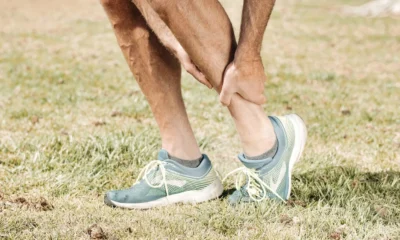

Timelines change depending on the injury, but there are signs and loads that mark the return to jogging.


What are they, how do they work, how much do they cost, and what should you consider before choosing recovery compression boots?

Fit, adjustment, and hydration matter most. The right choice prevents bouncing and improves the mountain experience.


Power, battery life, fit, and weight: that’s how you choose a running headlamp that’s truly useful, without overspending.

High profiles, more cushioning, and very protective underfoot feel: this is how they have become one of the major trends on the road.
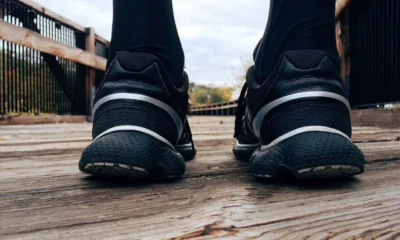

Zero drop can favor a more natural stride, but it does not suit all runners or all phases equally.
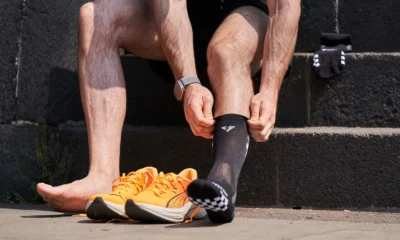

What changes when running on flat ground, which models stand out, and what mistakes are worth avoiding before making the leap.
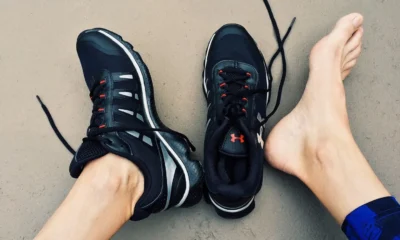

The flat sole appeals to many runners, although its use requires adaptation, judgment, and a good understanding of its limits.


Reliable and home-based methods for estimating the effort point at which the body starts to accumulate fatigue more quickly.
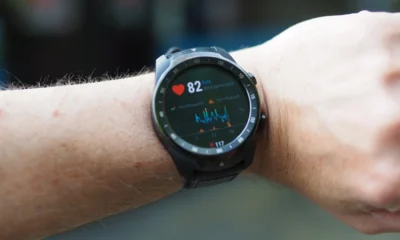

A useful metric for fine-tuning paces, understanding fatigue, and better guiding endurance training.


Two key physiological references explain much of endurance training and its practical adjustment.


The clear guide to understanding that physiological limit, interpreting it during a race, and estimating it with reliable methods without myths.


